


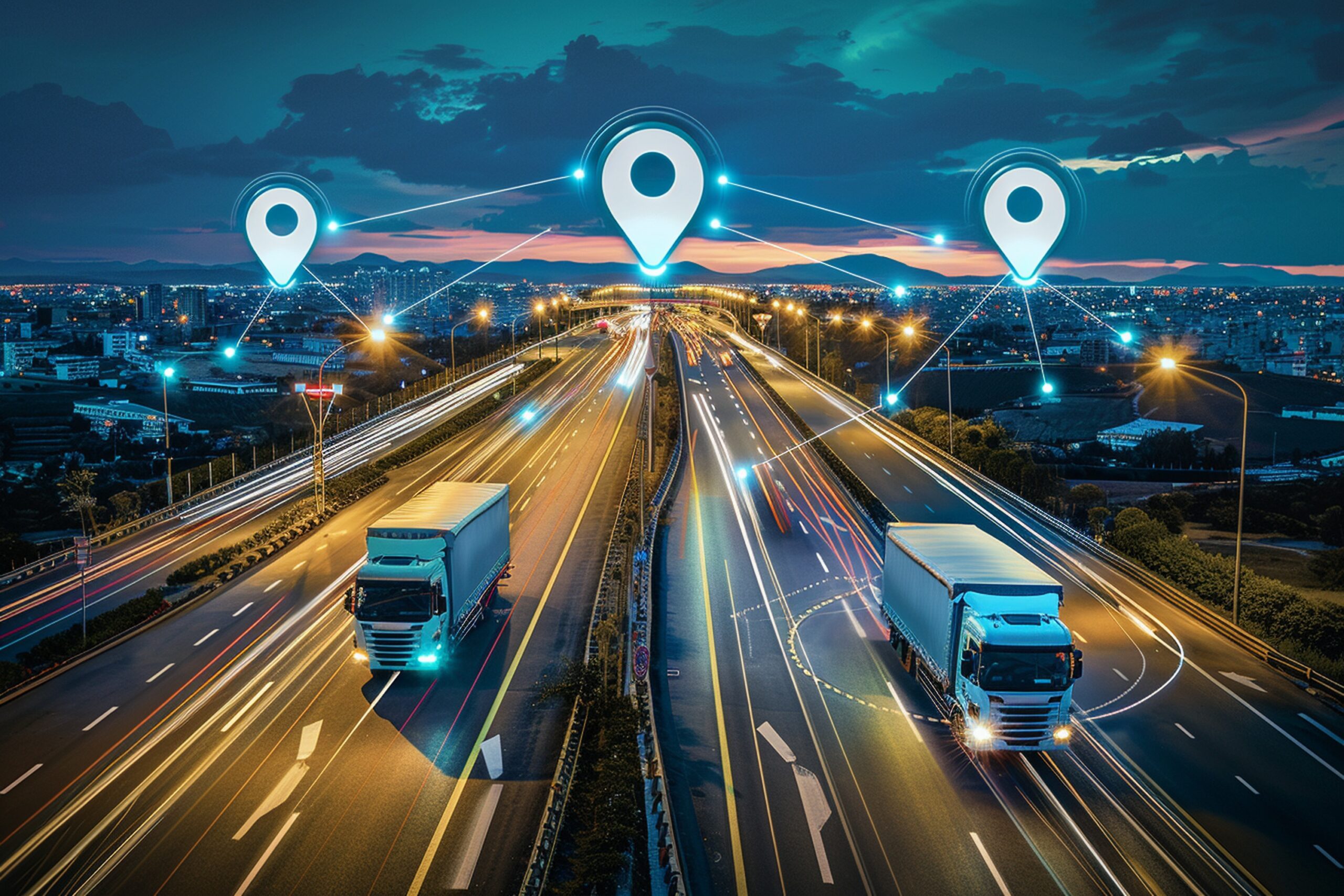
Why smarter route-planning software still needs a better view of reality
AI agents are changing how route-planning tools are built. The next step for resilient industrial logistics is modelling the constraints that algorithms usually…
 INDEPENDENT INDUSTRY JOURNAL
AI agents are changing how route-planning tools are built. The next step for resilient industrial logistics is modelling the constraints that algorithms usually…

The purchase of cellumation brings omnidirectional sortation into Symbotic’s systems strategy, with potential benefits for space use, capital intensity and European scale.
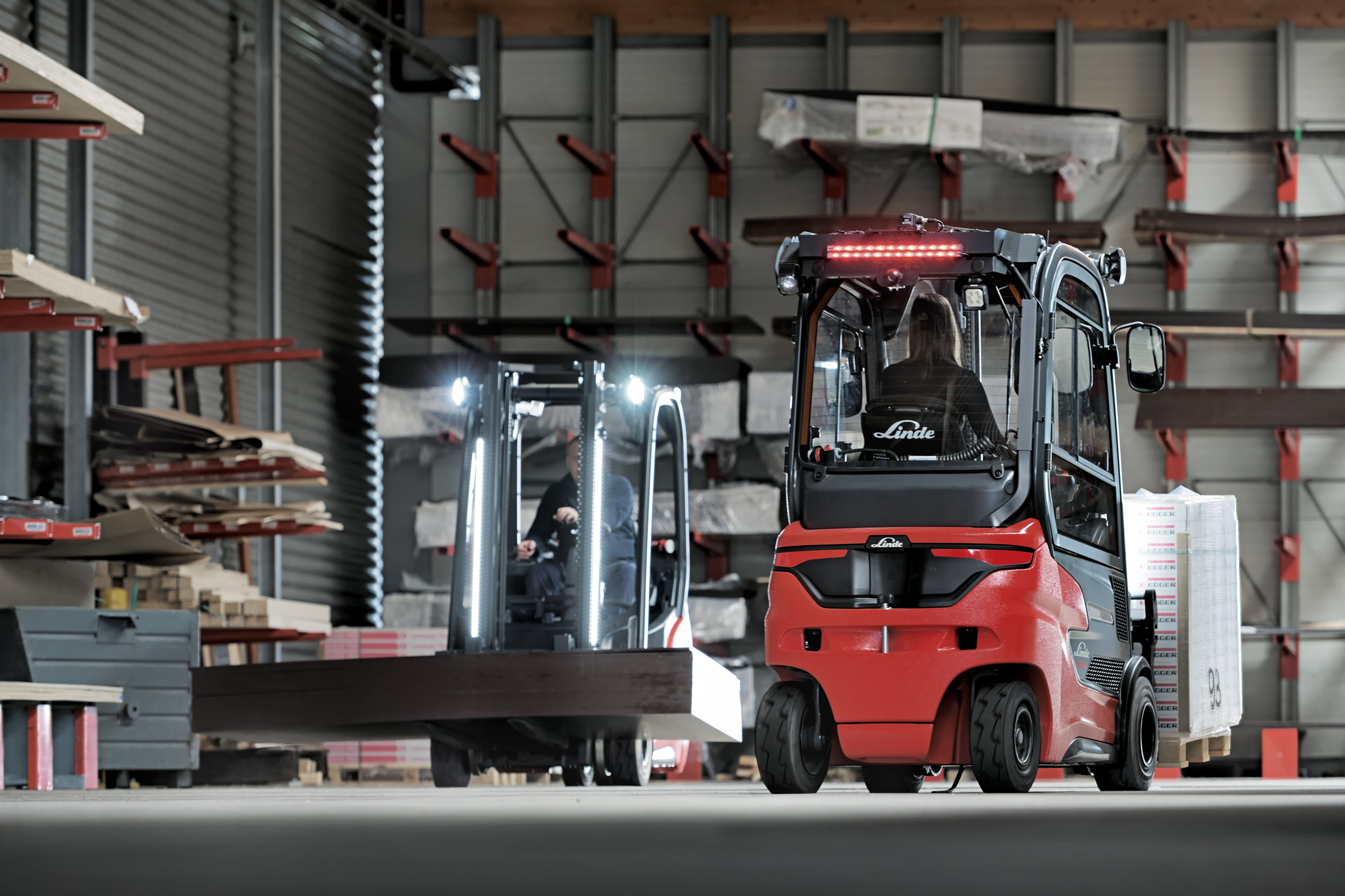
Linde Material Handling is combining digital twins, vehicle data and remote updates to make forklift fleets more adaptable to uncertain operating conditions.
Following the successful software migration of an automated high-bay pallet warehouse and manual warehouses, Klinkhammer Intralogistics has been awarded the contract to…
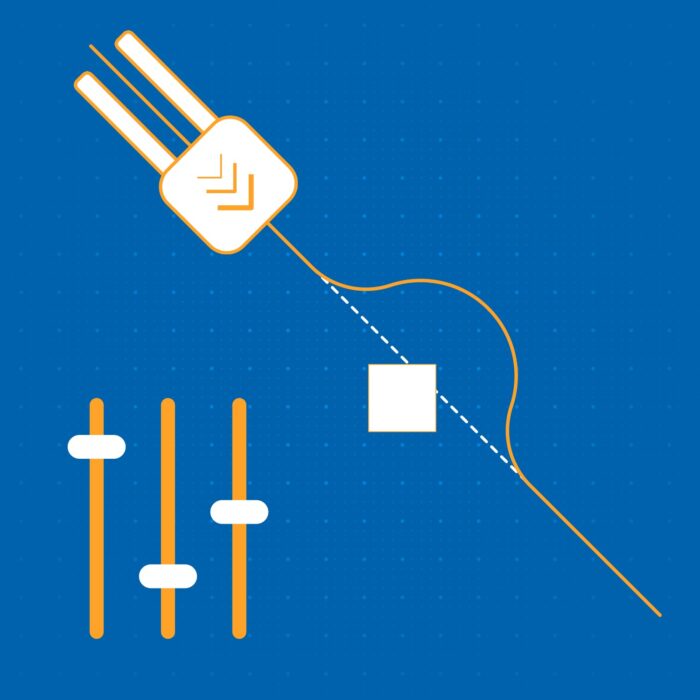
Autonomous navigation and fleet management supplier BlueBotics has launched ‘SmartPass’, a new efficiency-driving innovation within its ANT software suite. Available for ‘ANT…

AiDEN, in collaboration with Volvo Group, has announced a new solution designed to simplify regulatory compliance for truck drivers and fleet operators…
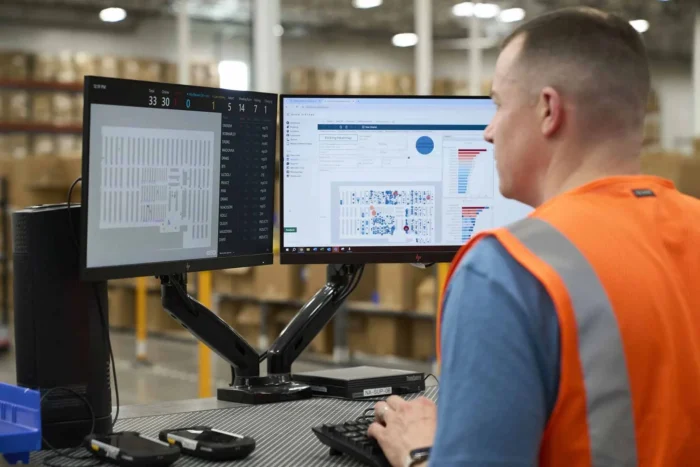
The rigid, “one-size-fits-all” constraint of traditional warehouse management software may finally be meeting its match. At MODEX 2026, Ocado Intelligent Automation (OIA)…
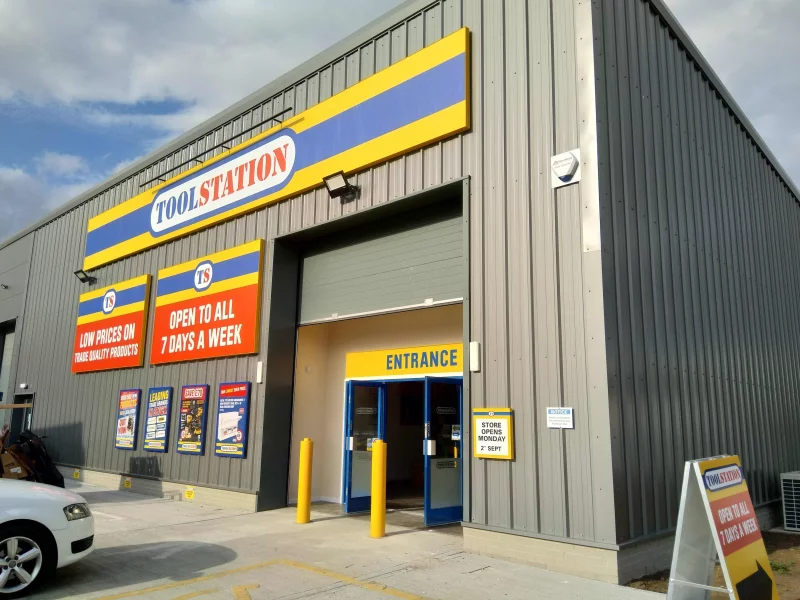
Toolstation, one of the UK’s largest suppliers of tools, accessories and building supplies, is revamping its inventory management. With over 25,000 products available…

OBI’s planned deployment of Blue Yonder across more than 660 stores illustrates how retailers are using AI to coordinate inventory decisions across complex…
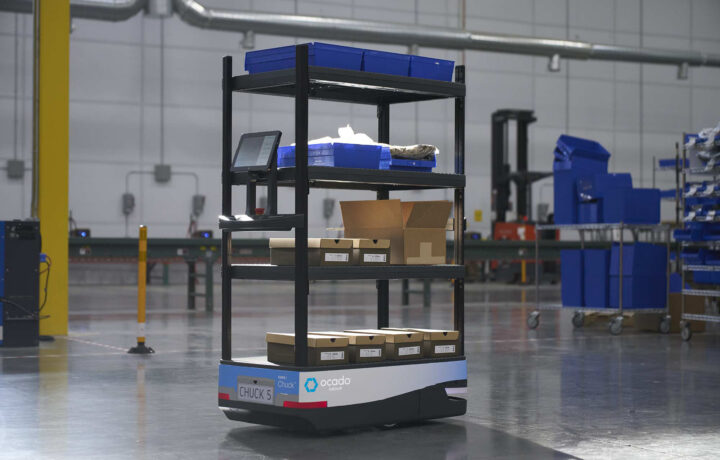
AMR platforms are becoming strategic digital infrastructure: their value depends on how well they connect automation with people, workflows and service outcomes.
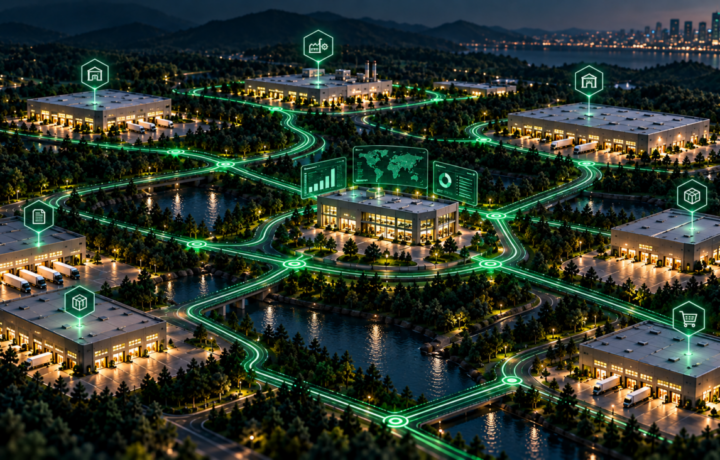
EPG’s new OMS addresses a common Industry 5.0 challenge: making distributed orders and inventory actionable without dismantling existing systems.
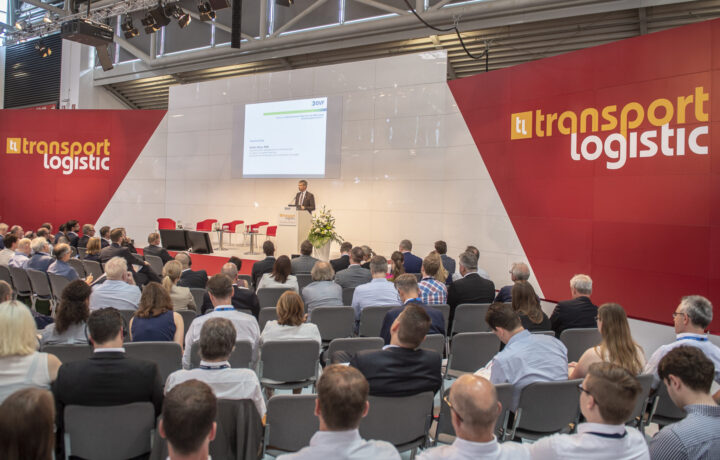
Transport logistic 2027 is adding two halls as demand rises for solutions spanning automation, digital logistics, air cargo and more resilient supply chains.

Low-friction belting links a simple mechanical upgrade with broader Industry 5.0 priorities: lower energy use, more resilient operations and data-led maintenance.
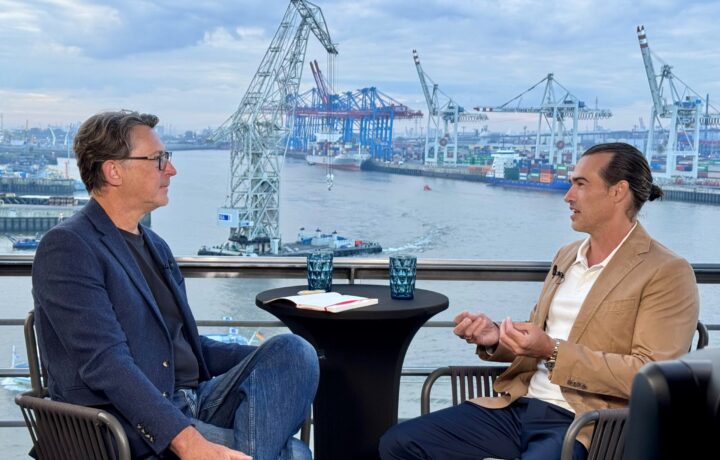
AI agents are being positioned as a bridge between fragmented transport systems and human decision-makers, with implications for resilience, inventory and operational workload.
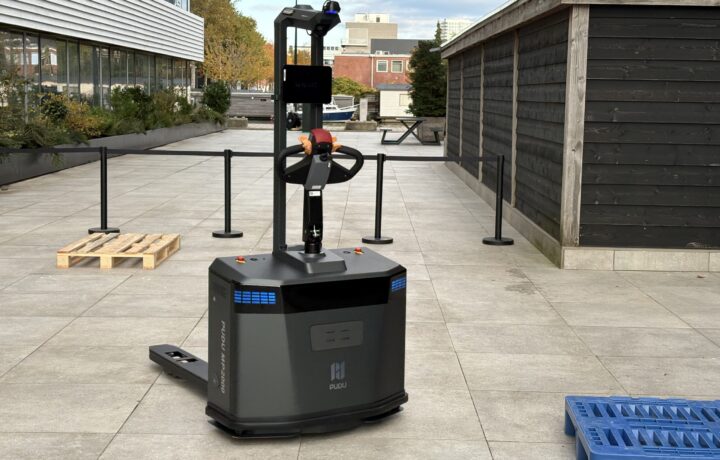
Pudu Robotics is combining purpose-built machines with reusable AI capabilities, offering manufacturers a staged route into wider automation.