Why resilient factories need more than just-in-time air freight
The latest disruption to air traffic control at UK airports offered an industrial lesson that extends beyond aviation: a highly optimised supply chain can remain dangerously dependent on a few physical nodes.
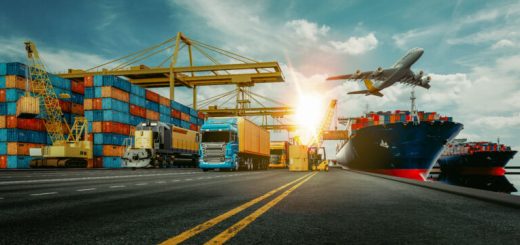
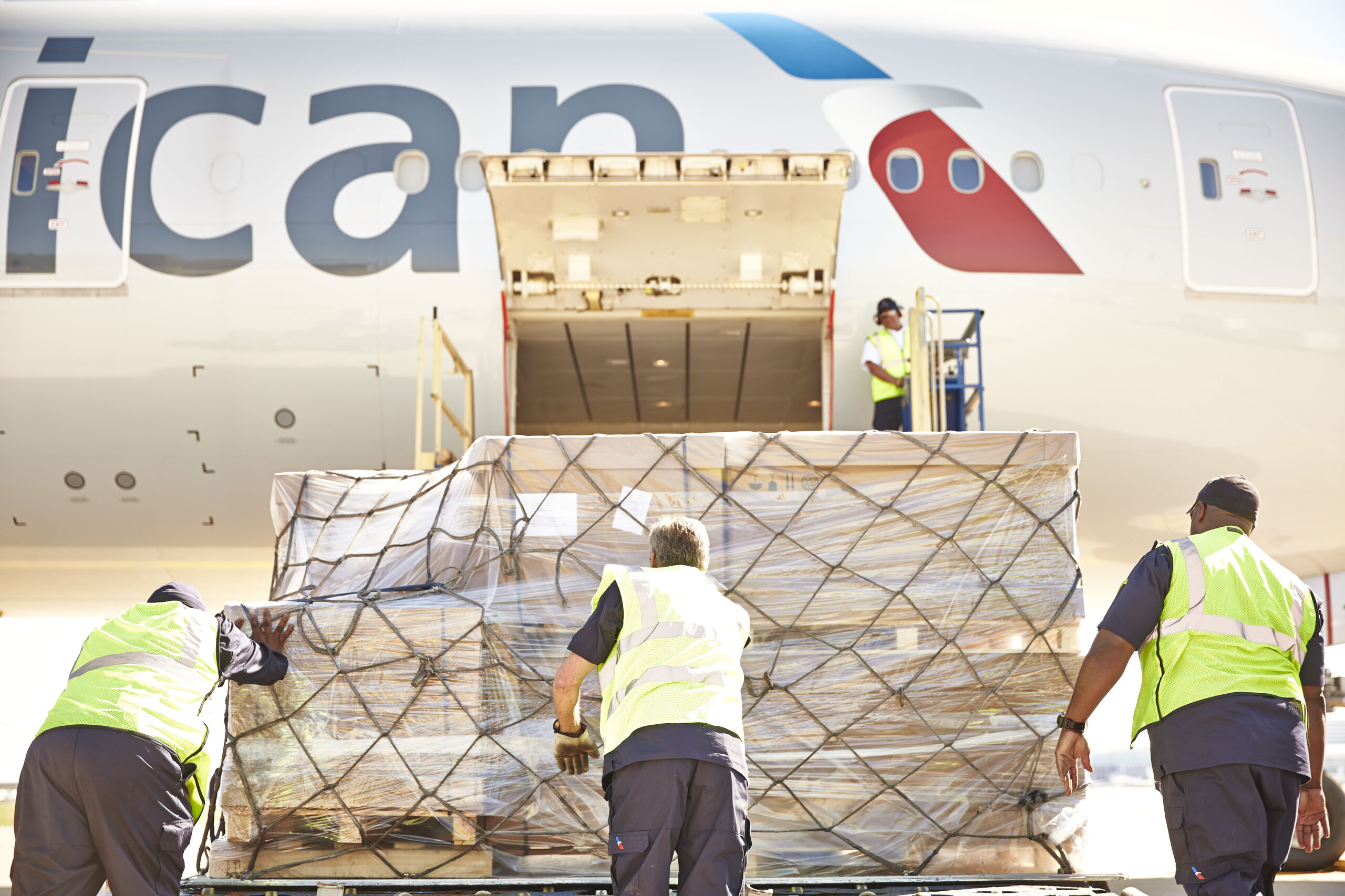
Thousands of tonnes of cargo pass through UK airports every day. Much of it travels in the holds of passenger aircraft, so a problem affecting flight operations can remove freight capacity without warning. For manufacturers, that may mean delayed engineering replacements, unavailable electrical components or specialist equipment that cannot be sourced quickly through a domestic channel.
Digital efficiency meets physical constraints
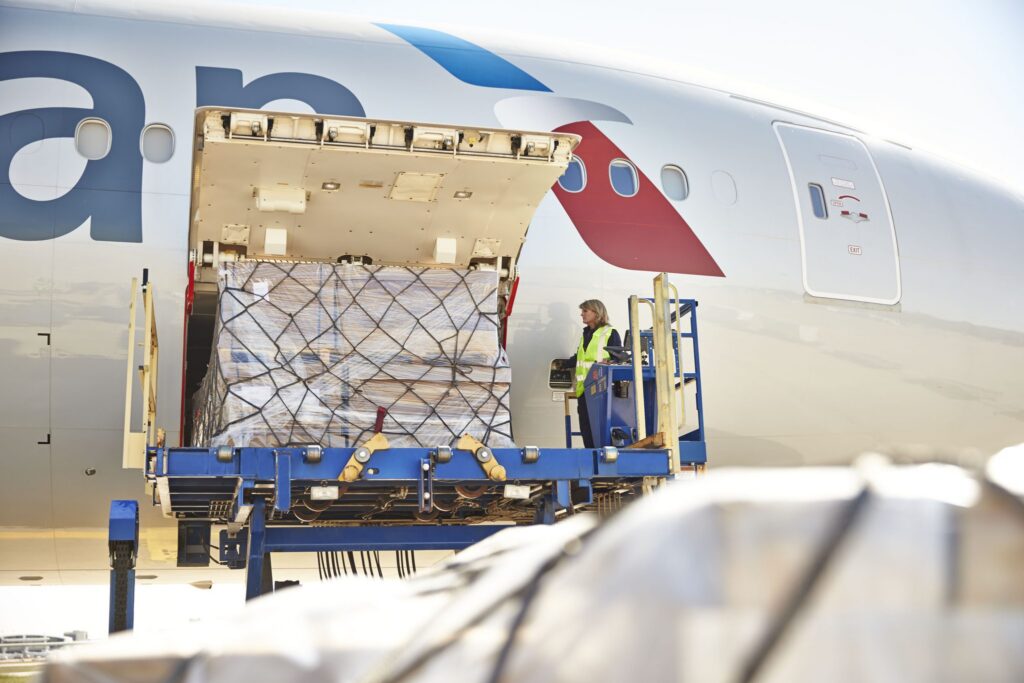
Industry has invested heavily in visibility tools, automated procurement and just-in-time replenishment. These systems can identify a delayed consignment and trigger an escalation, but they cannot create capacity where an airport has closed or extend the usable life of a time-critical product.
Healthcare illustrates the issue particularly clearly. Aircraft support the movement of organs, blood products, biological materials and some cancer diagnostics that use radioisotopes. Such shipments operate within narrow clinical windows, making a transport failure more than a commercial inconvenience.
The wider inventory trend also leaves limited room for recovery. The Global Supply Chain Resilience Outlook reports that 51% of businesses could not continue day-to-day operations without interruption for more than three weeks after a major supply-chain shock.
Resilience needs system design
Industrial companies should combine digital mapping with practical redundancy. That means identifying critical dependencies beyond tier-one suppliers, qualifying alternative sources and defining which materials receive priority when transport capacity is constrained. Automated alerts are valuable when they feed an agreed response rather than simply adding another notification.
There is also a sustainability dimension. Building resilience does not automatically mean duplicating every shipment or holding excessive inventory. Better data can support targeted buffers, consolidated alternatives and smarter allocation of scarce capacity. The objective is a supply network that remains efficient while retaining enough flexibility to absorb a transport shock.
The UK disruption showed why resilience must be designed into operating models, not treated as an emergency procurement task after the event.