
Qatar Cargo network growth gives industry more resilient airfreight options
Qatar Airways Cargo is adding Boeing 777 freighter capacity across Europe and North America, giving industrial shippers more routing flexibility for critical cargo.


Qatar Airways Cargo is adding Boeing 777 freighter capacity across Europe and North America, giving industrial shippers more routing flexibility for critical cargo.

A five-year renewal keeps ALDO’s European distribution network under an established operating model spanning warehouses, transport and customs.

An 11-day calendar shift will compress Asian production and freight schedules. Industrial resilience will depend on visibility, scenario planning and disciplined buffers.
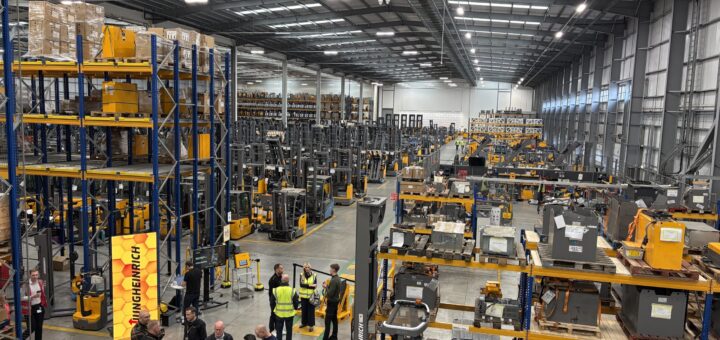
Jungheinrich and Automha are pairing high-density shuttle storage with a staged automation model that preserves existing infrastructure and leaves room for expansion.
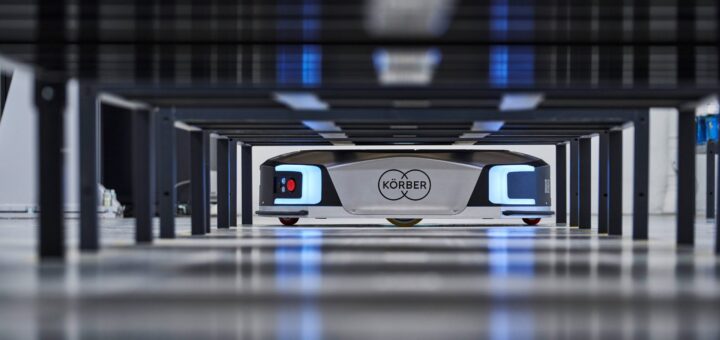
Körber’s investment in NAiSE highlights the role of vendor-neutral orchestration as factories and warehouses deploy more varied mobile equipment.

AI can strengthen transport productivity, but fragmented deployments may weaken resilience unless security and accountability are designed into the operating model.
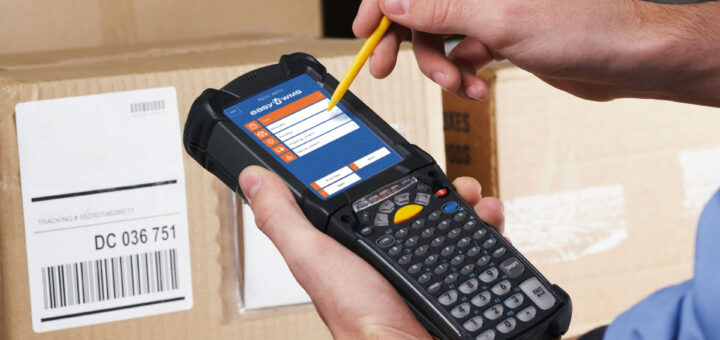
A Mexican nonwoven materials producer is using integrated warehouse software to connect production data, quality procedures and finished-goods handling.
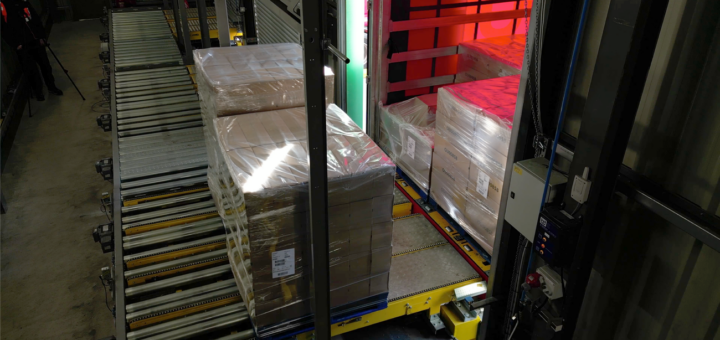
Automated loading can combine human-centred safety improvements with faster throughput and the real-time data needed for resilient industrial operations.
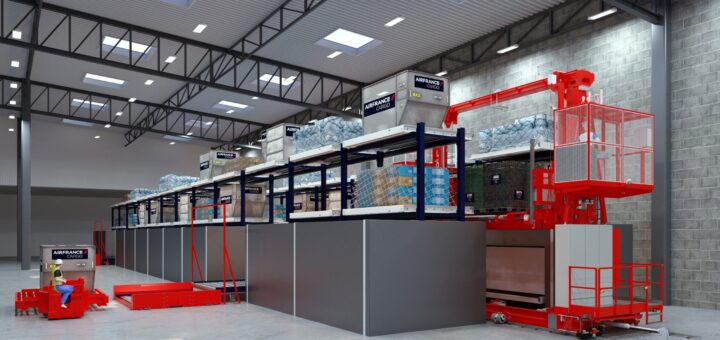
A multilevel automated storage system is being installed at Air France KLM Martinair Cargo’s Perishables Centre to improve capacity and process consistency.
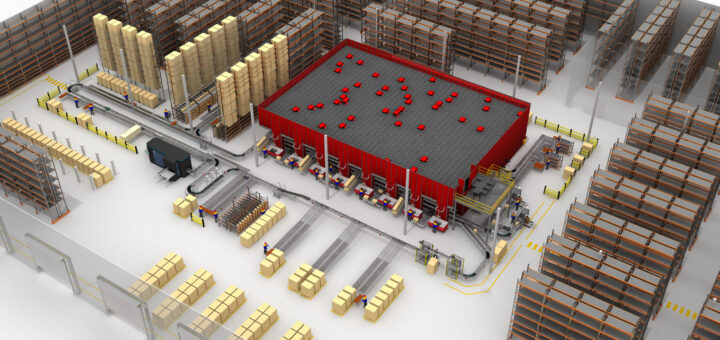
A hybrid fulfilment architecture will connect dense automated storage with manual handling, helping Würth manage a complex industrial product portfolio.
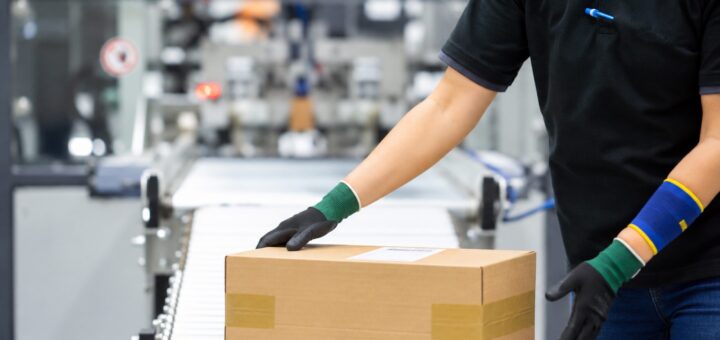
For fulfilment operators, packaging automation can address seasonal labour pressure while reducing material use, parcel volume and process variability.
 Qatar Cargo network growth gives industry more resilient airfreight options
 ALDO Extends Integrated Logistics Model with Bleckmann
 Why Lunar New Year 2027 is a resilience test for industry
 A modular shuttle model gives brownfield warehouses a route to automation
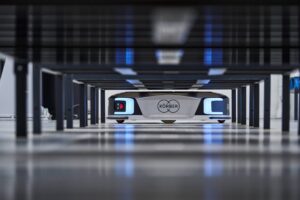 A shared control layer could make industrial mobile fleets more adaptable