Autonomous procurement links freight resilience with Industry 5.0
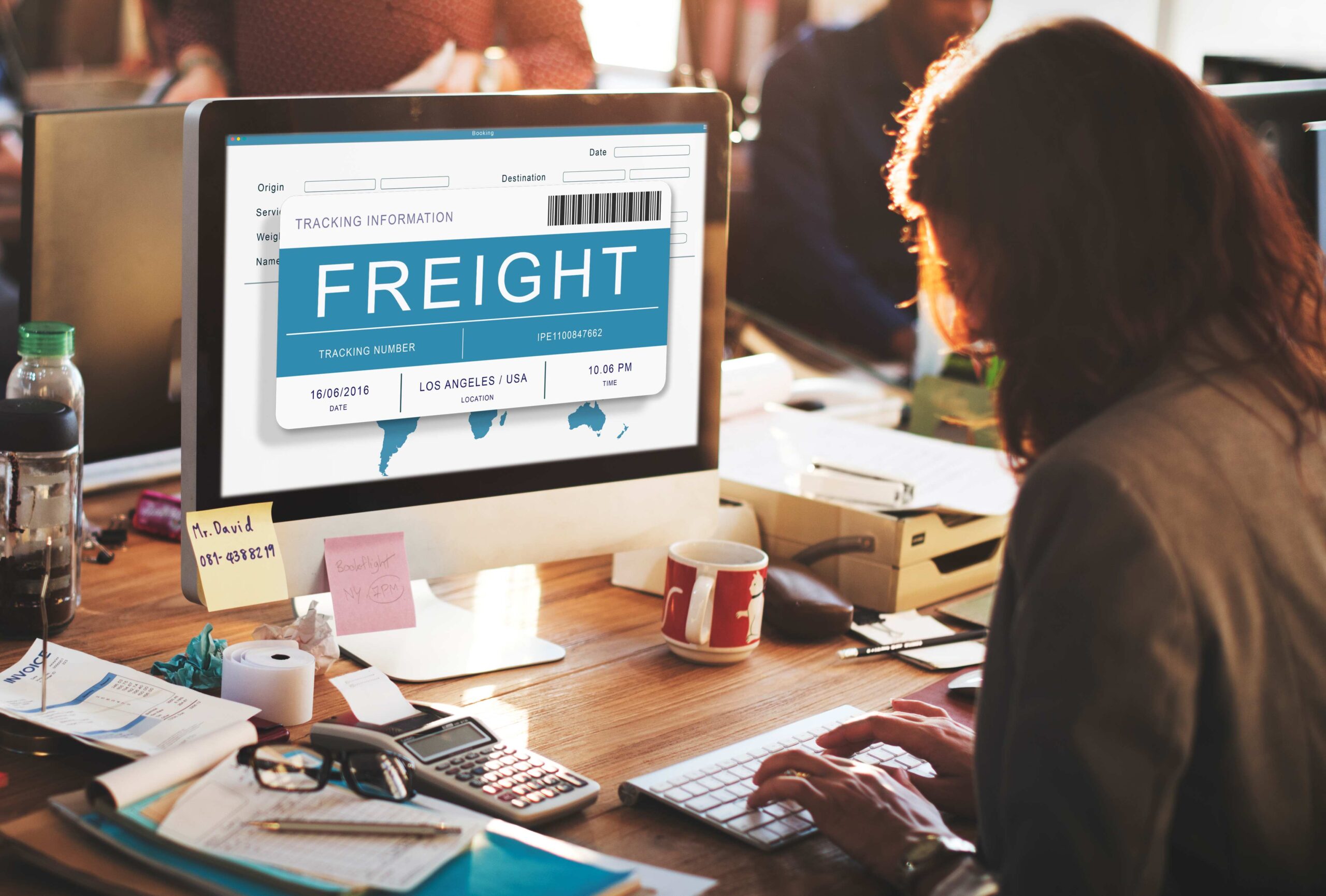
Industrial supply chains are being asked to absorb disruption without sacrificing efficiency. Trade barriers, geopolitical instability, energy-price shocks and uneven demand have made freight markets less predictable, exposing the limits of procurement cycles built around historical averages.
Long-term capacity agreements illustrate the problem. Up to 70% of contracted full-truckload capacity may go unused, creating “ghost lanes”. The shipper pays for security that is not consumed, while the carrier has less freedom to optimise vehicle deployment. Over time, the cost of this imbalance can be reflected in future contracts.

Automation creates a more adaptive operating model
Spot purchasing is more responsive, but it can bring manual work, hurried negotiations and poor price comparability. Autonomous procurement aims to combine responsiveness with repeatable control. Instead of treating a tender as an occasional event, software continuously assesses transport requirements and market conditions.
AI-generated offers can combine historical flows with current freight and spot rates, commercial rules, route constraints, sustainability requirements and carrier-specific booking behaviour. Offers are then released through a digital platform. If no carrier accepts immediately, the system can run additional rounds, alter the parameters and select alternatives within human-defined guardrails.
This model reflects an Industry 5.0 priority: using automation to strengthen human decision-making and resilience rather than simply replacing staff. Procurement specialists can focus on exceptions, supplier relationships and policy, while routine matching is handled at network scale.
Efficiency, utilisation and sustainability
Reported outcomes include FTL match rates of up to 90%, average matching in roughly 70 minutes and spot prices 8–12% below traditional processes. Dispatch productivity has risen by around 20% annually in the cited results. Carriers also spend less time calculating bids, and improved planning may help reduce empty journeys.
These gains are inseparable from data quality. Reliable records of freight flows, routes and carrier performance are needed to make automated offers accurate and auditable. Connected TMS platforms can provide that foundation, linking procurement decisions with execution data and sustainability objectives.
For manufacturers, the strategic shift is from buying capacity cheaply in advance to continuously balancing cost, availability, service and environmental priorities. Trimble is among the companies developing technology for this market.