Engineering rack protection for safer, more resilient warehouses
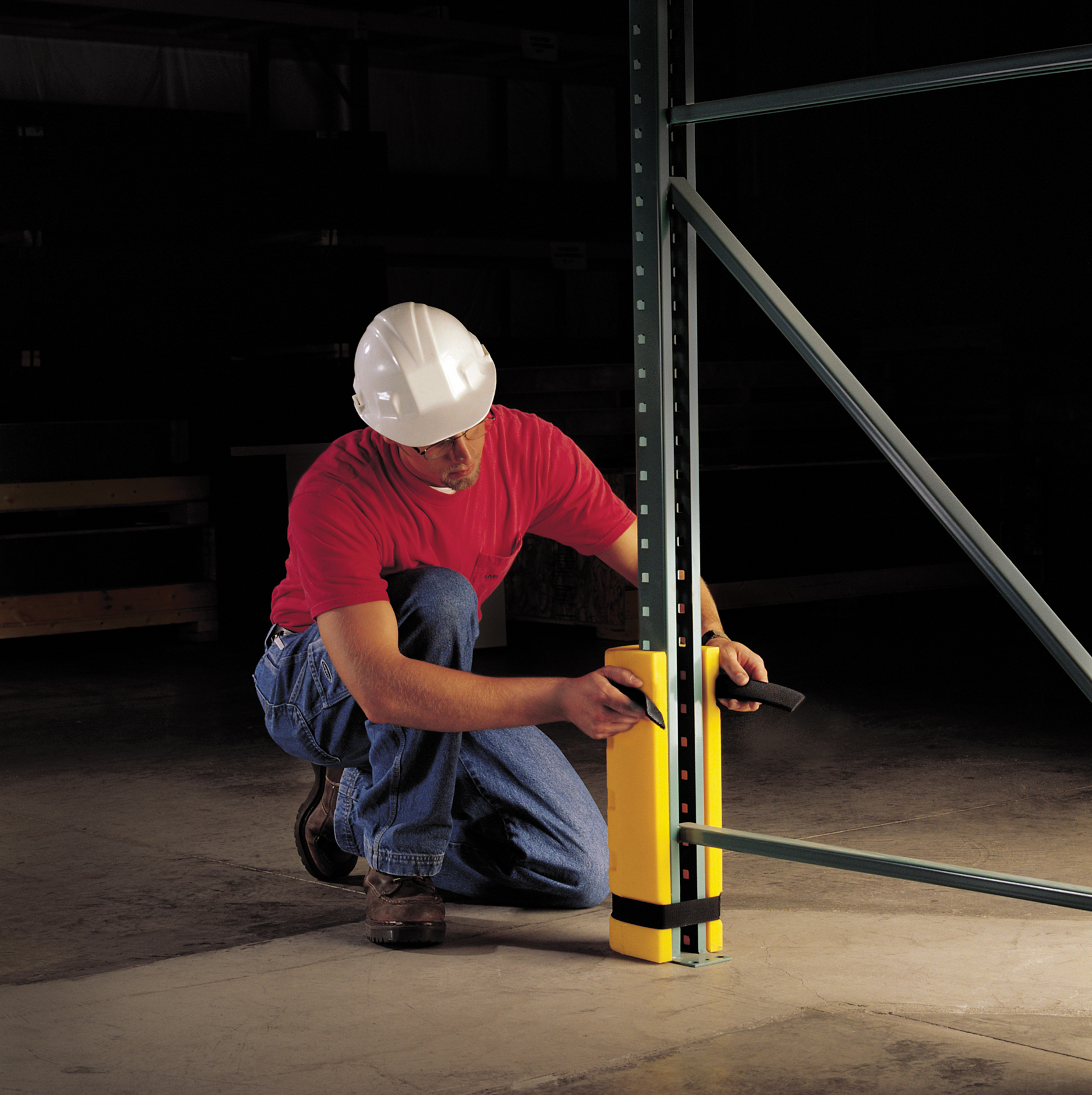
As warehouses pursue higher throughput, safety components are also being reconsidered through an engineering lens. Research and testing by Sentry Protection Products suggests that rack protection should be designed around absorption of impact energy, rather than an assumption that greater hardness always delivers better results.
Forklift contact is an operational risk that cannot be eliminated entirely. Training and vehicle improvements can reduce the likelihood of incidents, but they do not change the physics of a collision when one occurs. If a protector acts as a rigid barrier, much of the force may still reach the rack upright. The objective is therefore to manage the force before it reaches the storage structure.
Designing for recovery and repeat use
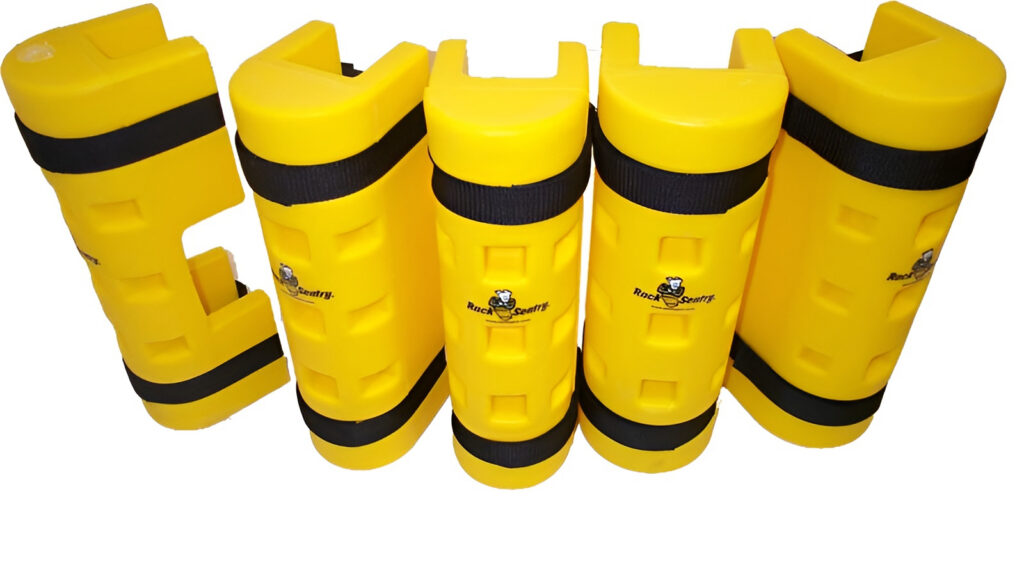
The relevant comparison is a spring: compression stores and dissipates energy, while recovery restores the component for a subsequent event. A rack protector must be carefully tuned. Too much flexibility can result in complete compression; too much rigidity can transfer the impact into the rack. Performance depends on finding the useful middle ground.
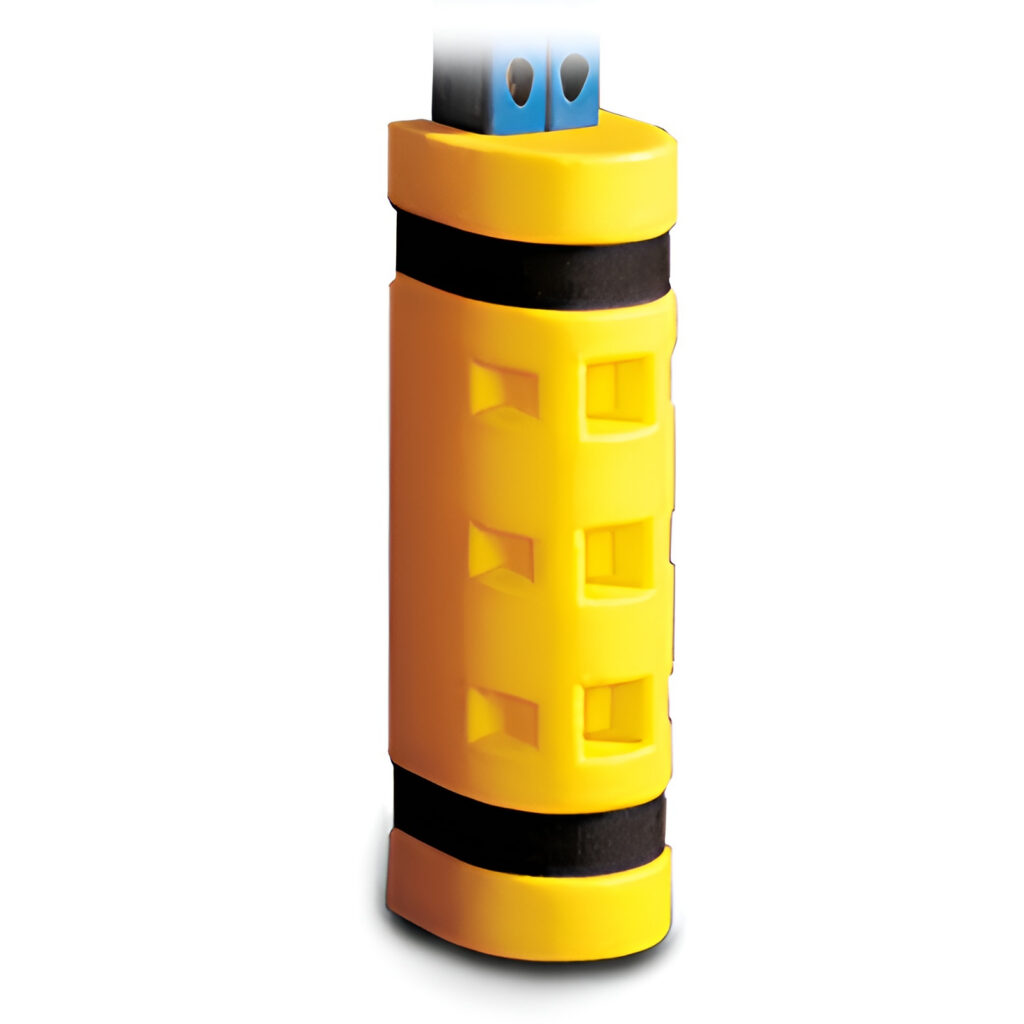
Sentry’s Rack Sentry and Rack Sentry CONTOUR products apply this philosophy through impact-resistant materials and engineered internal air chambers. The chambers are intended to support controlled deformation and a return to the original shape. This makes the flow of energy through the component more important than simply increasing its thickness.
Protection as part of industrial resilience
Independent compression testing compared the two products with several competing designs under identical conditions. Both Sentry solutions absorbed more energy before reaching the point where they were no longer effective.

For Industry 5.0-oriented operations, the significance is practical rather than abstract. Resilience includes the ability to preserve essential physical assets when human-machine interaction produces an error. A rack protector cannot remove operational risk, but a design that absorbs energy can help limit the consequences of contact, support continuity and avoid treating additional material or rigidity as the only route to safety.