Hormuz LNG movements resume, exposing the limits of logistics automation
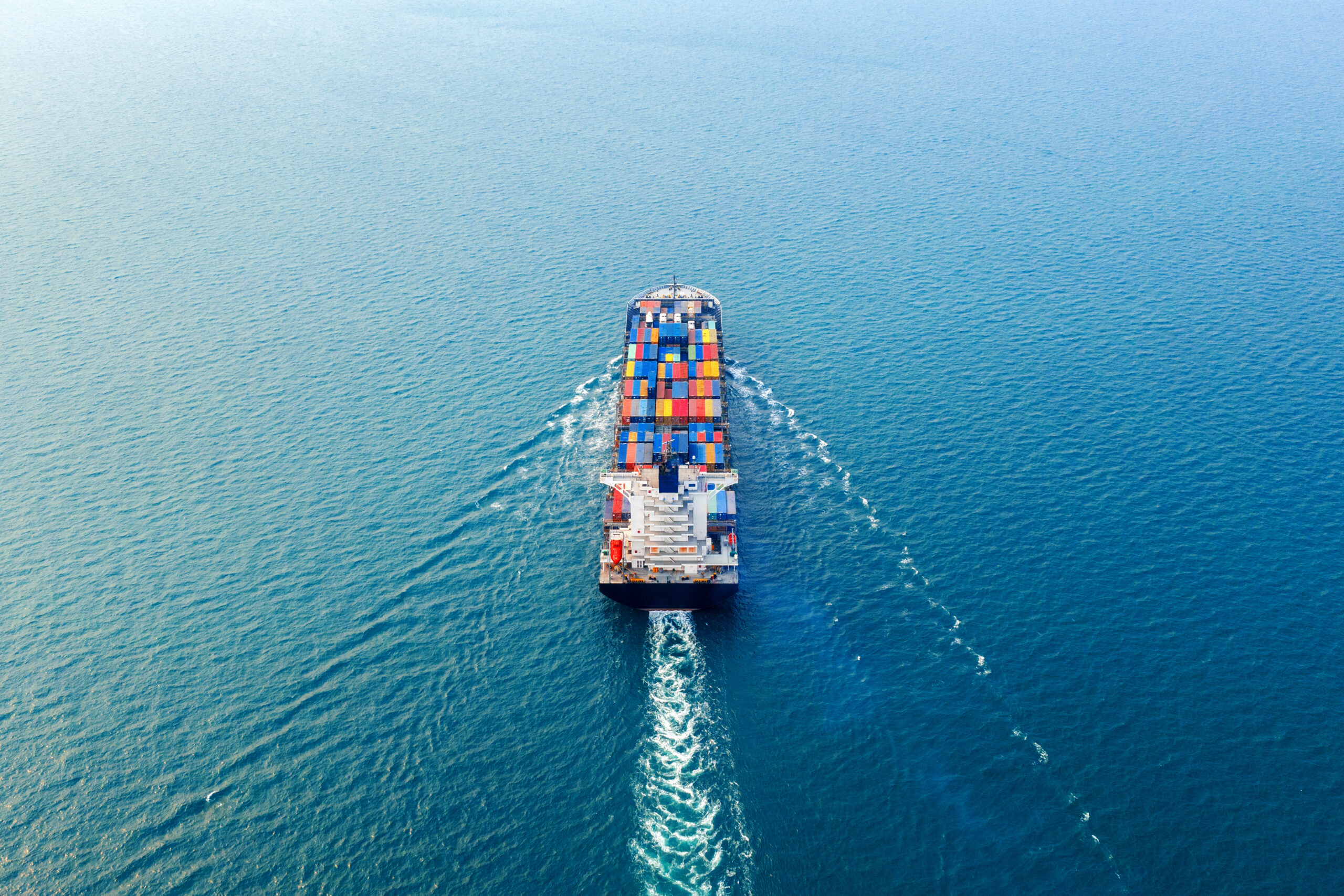
Some LNG shipments linked to Qatar have resumed movement through the Strait of Hormuz, but the return of visible traffic should not be mistaken for a stable corridor. No visible Qatar-linked LNG carrier passages, or ships carrying cargoes from the Ras Laffan terminal, were recorded in August. Activity has since reappeared while the US-Iran conflict remains unresolved.
The latest observations include GasLog Skagen, which was reported off Sri Lanka on 27 September with a Ras Laffan cargo. Before reaching that position, it had operated inside the Gulf on voyages connecting Qatar with the United Arab Emirates and Kuwait. Al Shamal was also seen outside the strait after carrying a Qatar-origin cargo. Mesaimeer and Al Ghashamiya were reported to have left the Gulf with Ras Laffan cargoes.
Further vessels linked to Qatar, including Al Samriya, Al Daayen and Shandong Redwood, were observed outside the waterway or completing voyages in Asia. Al Mafyar was reported to have re-entered the strait in ballast.
Resilience depends on more than live tracking
The operational difficulty lies in the gap between digital visibility and physical activity. AIS transponders may be disabled during some passages, meaning that public vessel-tracking systems can miss movements. For companies using digital control towers, automated ETA calculations or predictive planning, incomplete inputs can produce false confidence.
Supply-chain resilience therefore requires contingency scenarios alongside automation. Buyers and operators need to account for uncertain transit times, possible route disruption and limited confidence in the apparent volume of traffic. Data tools remain valuable, but their outputs must be interpreted against the possibility of dark transits.
Industrial and market consequences
European LNG buyers, shipping lines and terminal operators face continued exposure to higher insurance premiums, freight costs and scheduling risk. If traffic remains below normal, alternative cargoes could become more contested and supply routes could lengthen.
The current pattern is best understood as partial operational recovery. It provides evidence that some cargoes are moving, while the reliability of the energy corridor remains difficult to establish. Vessel details have also been reported by MarineLink.