The hidden infrastructure challenge behind scalable robotics
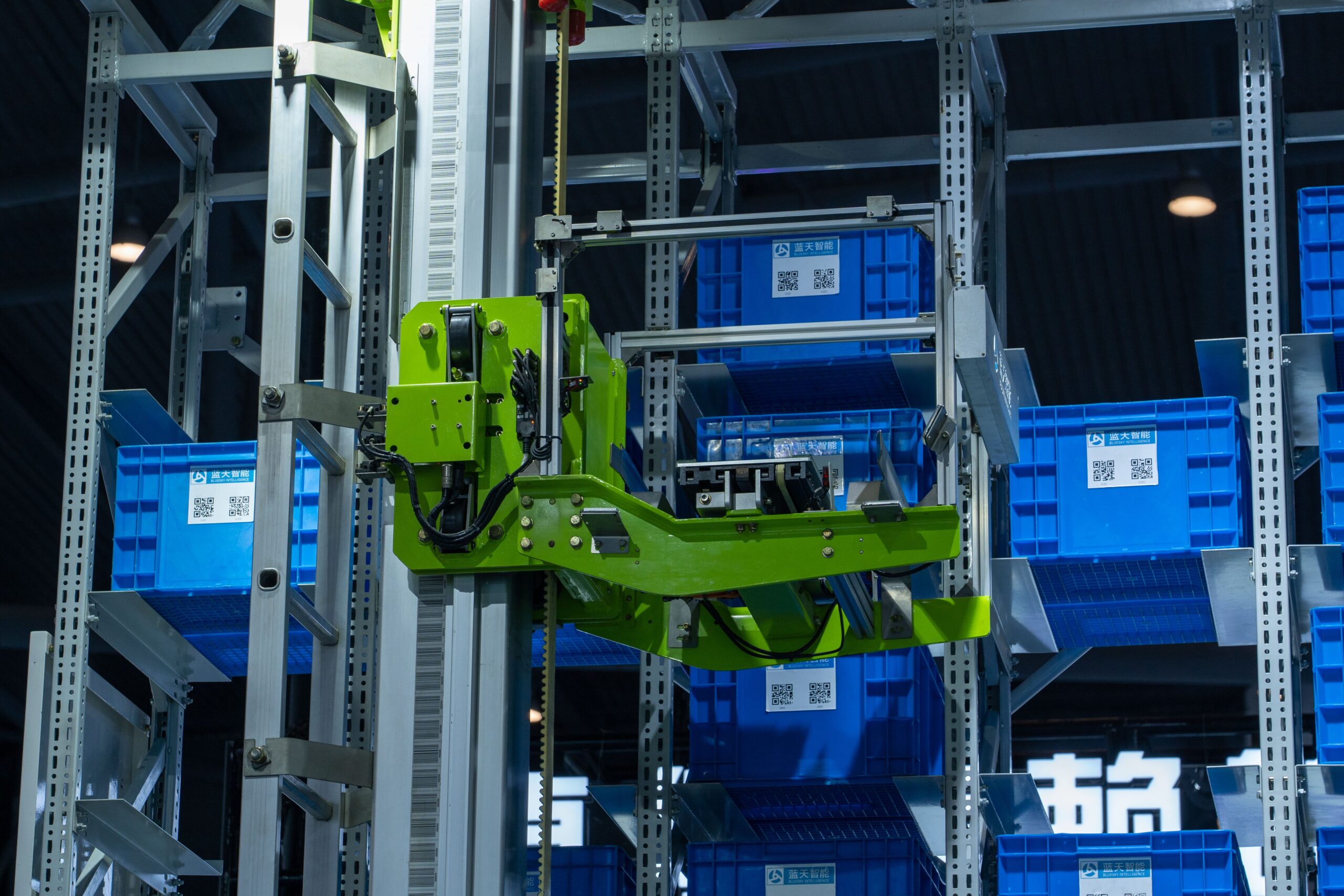
The next test for industrial robotics may be less about what a machine can do than about how quickly it can be restored when something goes wrong. As deployments move beyond pilot projects, field service is emerging as a critical part of the infrastructure needed to make automation dependable at scale.
A robot operating in a warehouse, distribution centre or factory is connected to a wider production system. A fault in a sensor, actuator or control unit can therefore have consequences beyond the individual machine. Remote diagnosis may solve some incidents, but others require replacement hardware and a trained technician at the customer’s facility. The same operational exposure is visible in commercial kitchens, where equipment may be expected to run continuously.
Resilience starts with maintainability
This changes how companies should define a successful automation project. Installation is only the beginning of the asset’s working life. Operators need to understand how equipment will be monitored, how quickly parts can be supplied, which technicians are qualified to intervene and how responsibility will be transferred when a problem escalates.
These questions also affect the sustainability of an installation. Extending the useful life of a robot through timely repair can be more practical than replacing complex equipment after repeated or prolonged downtime. Effective maintenance can help companies protect the value of their investment while avoiding disruption to connected processes.
Service ecosystems may become a competitive factor
Service-level agreements are likely to specify response times, parts availability and ownership of software, electrical and mechanical faults in greater detail. Multi-site operators will also need to test whether suppliers can support assets across regions rather than relying on a small group of specialists.
This creates an opening for third-party service networks that can work across manufacturers. A broader ecosystem could improve access to skills and make robotics less dependent on a single vendor’s local engineering capacity.
The wider lesson is that Industry 5.0 automation must be designed around operational continuity, not simply technical capability. The question of who will repair robots as adoption grows is already being examined by Robotics Tomorrow. Fast, competent field support will increasingly shape whether automation is resilient enough to scale.