Resilient warehouse automation may matter more than humanoids
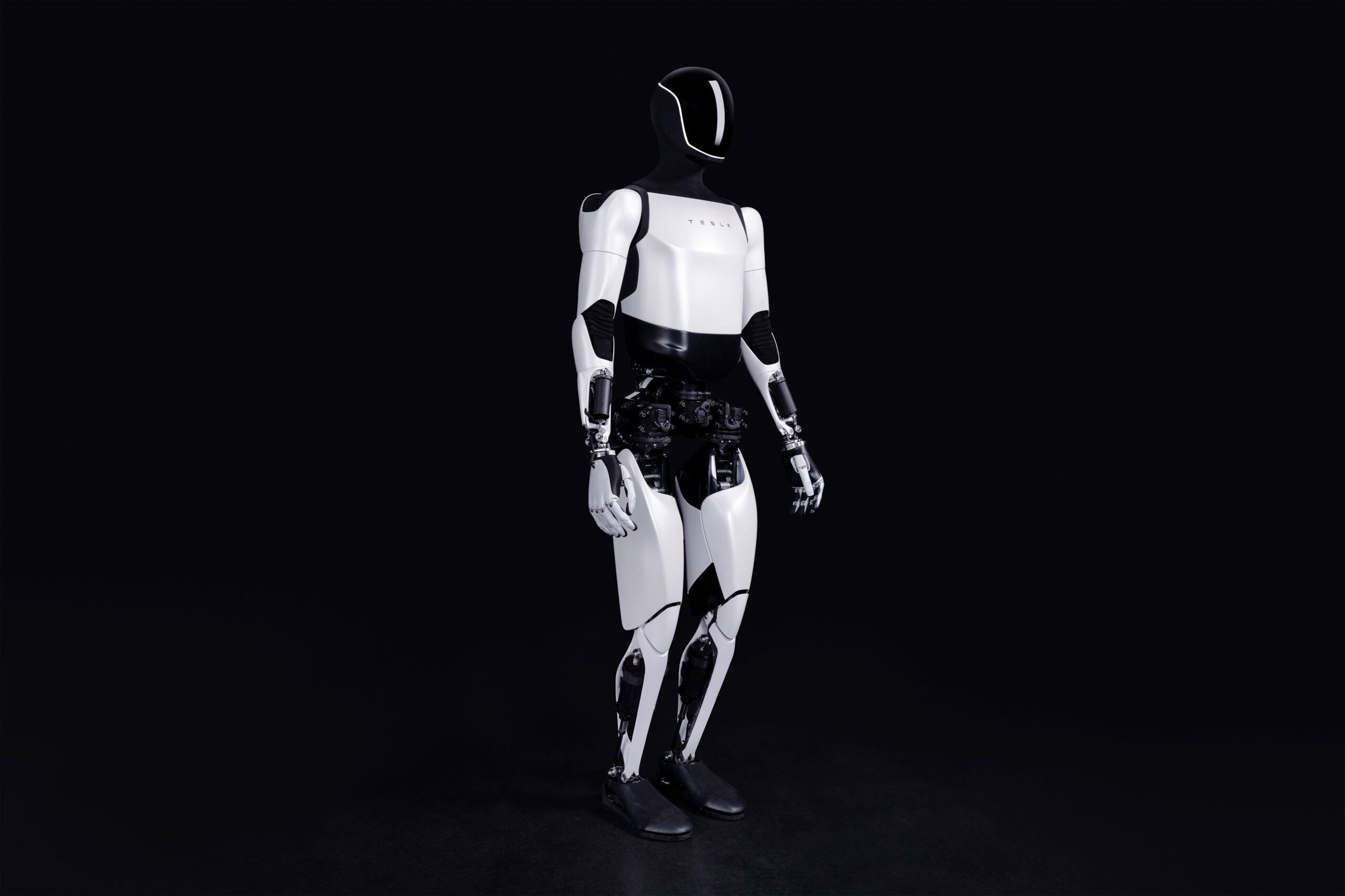
Humanoid robotics is often presented as a route to a more adaptable warehouse. That ambition reflects a real industrial problem: fulfilment operations must handle expanding SKU counts, more complex orders and demand spikes that are difficult to forecast. Yet the most valuable innovation may not be the technology that looks most like a person.
Warehouse automation has traditionally involved a trade-off. People offer flexibility but are difficult to scale rapidly and do not always deliver uniform throughput. Conveyors and sorters provide repeatable flow, but their physical capacity is largely fixed. In a volatile market, both approaches can create inefficiency—either through labour constraints or equipment that is oversized outside peak periods.
Elasticity through distributed automation
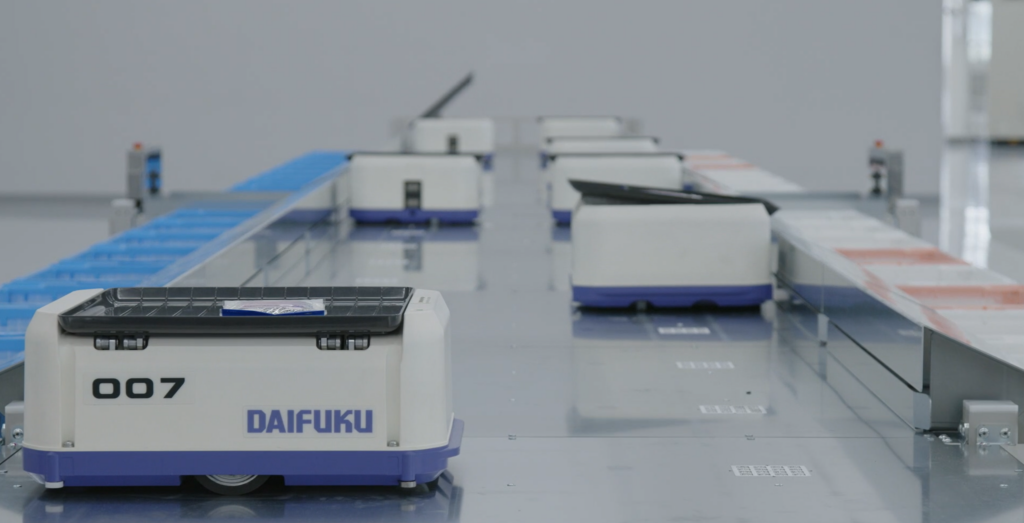
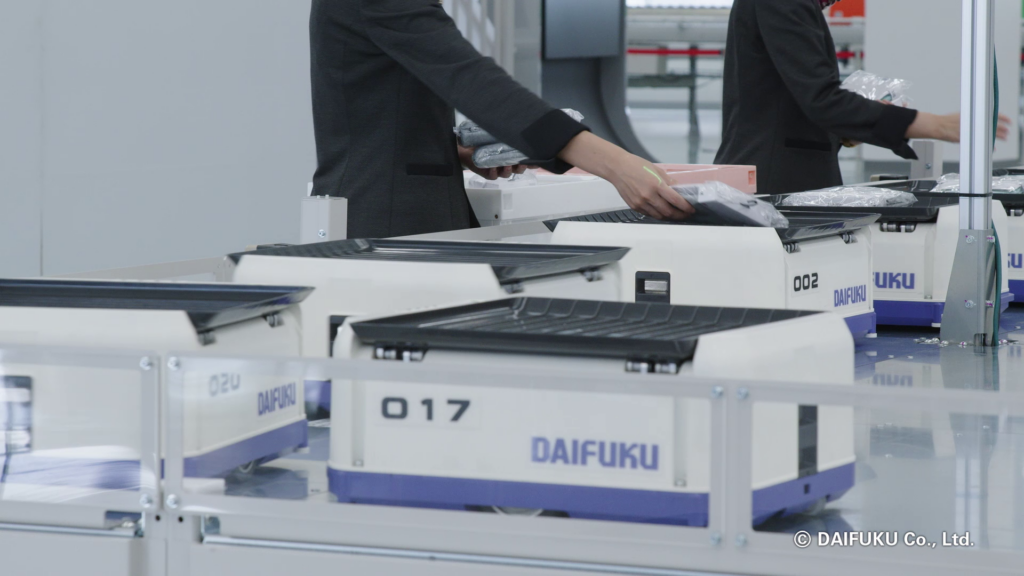
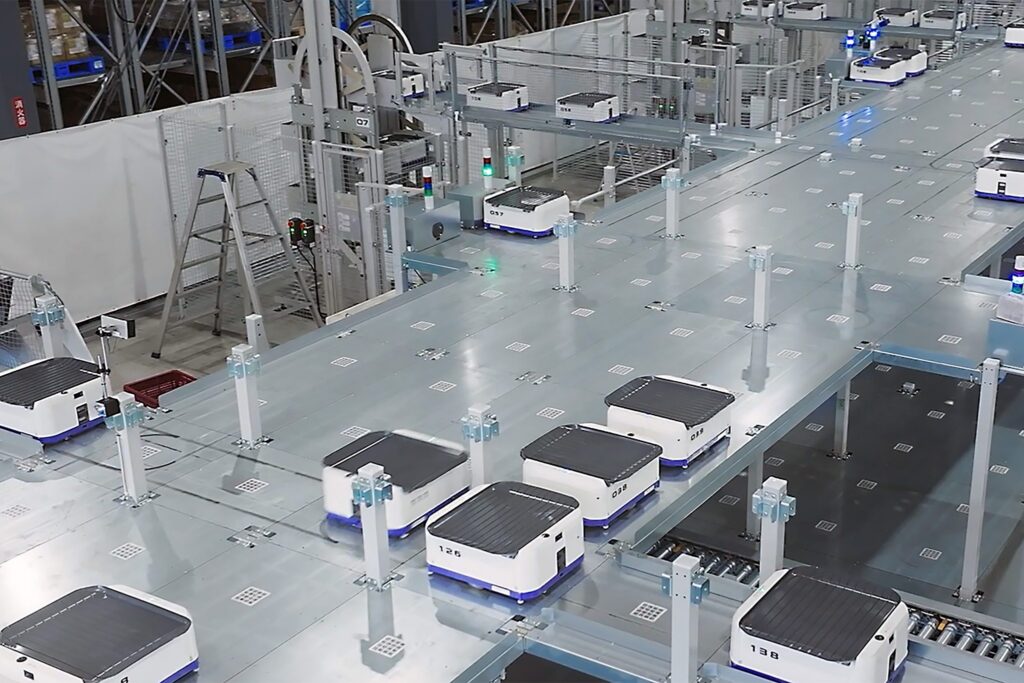
Mobile robot fleets offer a different operating model. SOTR-S, developed by Daifuku, is designed to transport individual picked items between process points. Operators place products on stationary robots, and a warehouse control system assigns the destination. A robot traffic controller manages routes and coordinates the vehicles as workload conditions change.
This architecture supports a more granular response to demand. Units can be activated according to the current throughput, while part of the fleet can be parked during prolonged off-peak periods. Energy use and equipment utilisation are consequently tied more closely to productive activity than in a continuously configured conveyor installation.
Resilience as a sustainability and continuity benefit
Distributed systems can also reduce operational exposure to single points of failure. If one robot stops, the immediate effect is concentrated on its load rather than the entire process. The same modularity supports maintenance: individual vehicles can be removed without taking the whole system offline.

That does not make mobile robots a universal answer. Integration, control software, process design and commercial performance remain essential evaluation criteria. The broader lesson is that Industry 5.0 automation should combine digital coordination with practical adaptability, rather than pursuing human likeness for its own sake.
Humanoids may eventually handle tasks that are difficult to automate with conventional equipment. For now, industrial companies may achieve greater resilience and resource efficiency by combining proven automation with capacity that can expand and contract as demand changes.