Ammonia vessel tests the infrastructure of cleaner shipping
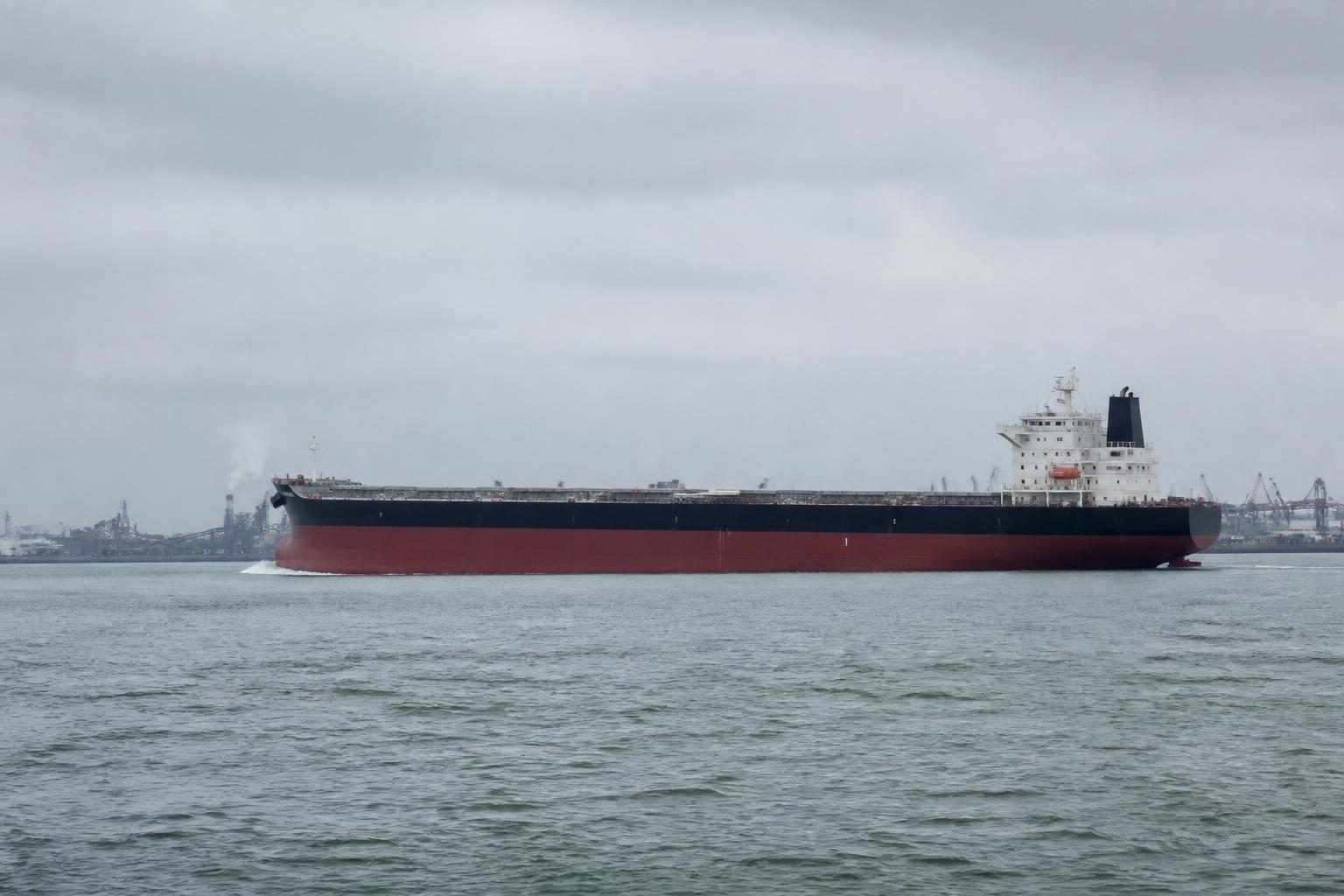
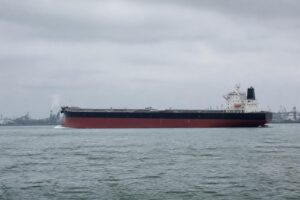
The transition to lower-emission logistics is moving from pilot concepts into full-scale operations. The 210,000-deadweight-tonne Mineral Europa has begun its maiden voyage to Australia as the first ammonia-powered dry bulk carrier, placing an alternative fuel into a real deep-sea supply chain.
The vessel is also the starting point for a broader industrial deployment. CMB.TECH plans to receive 21 ammonia-powered ships by 2029: 18 dry bulk carriers, one container ship and two chemical tankers. Such a fleet can generate operational experience across different cargo flows and vessel requirements.
A systems challenge, not only an engine project
Ammonia produces no carbon dioxide at the point of combustion, but the technology should be assessed across its complete value chain. Production methods, transportation, storage and onboard use will all affect its environmental performance. This makes data from actual operations particularly important for companies setting sustainability targets.
The change also introduces a new set of industrial interfaces. Storage tanks, fuel-transfer equipment, bunkering controls and emergency procedures must work together. Crew training is essential, while ports need compatible facilities and clear coordination between vessels, terminals and fuel suppliers. Digital monitoring and standardised procedures may become increasingly important as more ships use alternative fuels, although the supplied project details do not specify particular systems.
Resilience depends on fuel access
The owner, headquartered in Antwerp, is developing ammonia storage infrastructure and bunkering barges alongside its ship programme. These investments address a central scaling question: whether fuel supply can expand at the same pace as vessel deployment. If ammonia is unavailable at strategic ports, operators may face route constraints even when ships are technically ready.
For cargo owners and logistics providers, this creates a practical planning issue. Alternative-fuel availability, handling standards and port capability will need to be considered alongside freight capacity and transit times. Ammonia is one option in a wider portfolio that includes methanol, biofuels, batteries and other pathways to reduce maritime emissions.