The Industry 5.0 case for turning warehouses into energy platforms
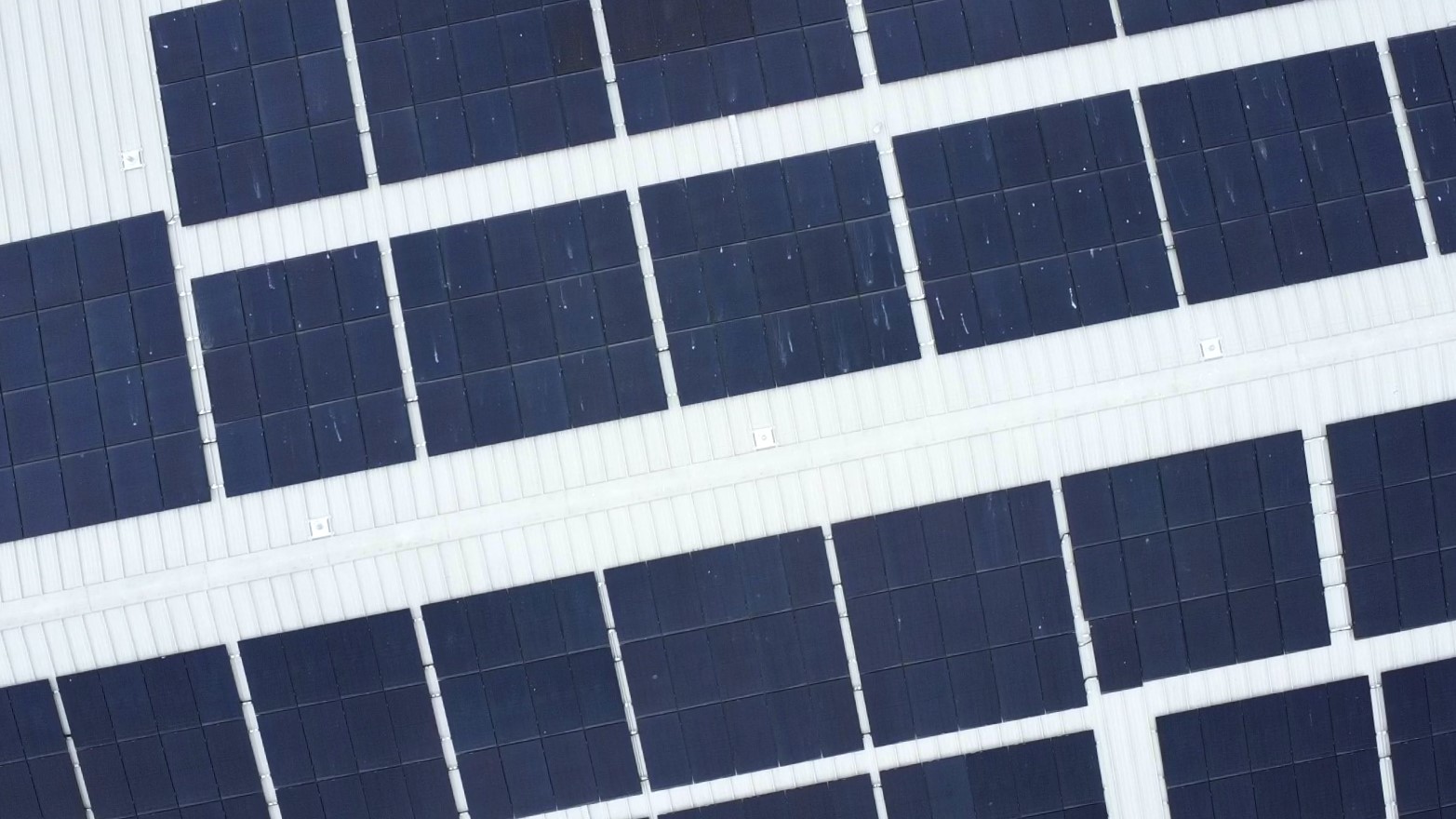
Warehouse decarbonisation is moving beyond the installation of solar panels. As logistics sites add automation, electric vehicles and other high-load equipment, their roofs can become part of a digitally managed energy platform. The combination of local generation, battery storage and intelligent controls offers both a sustainability measure and a resilience strategy.
The opportunity is substantial. UK logistics and industrial buildings measuring at least 50,000 square feet are estimated to contain around 1.5 billion square feet of roof area. More than 36GWh of annual generation could be possible from that space. Warehouse solar could therefore make a material contribution to the UK’s planned 45–47GW of solar capacity by 2030.
Design for the future load
A common mistake is to size a solar installation around a warehouse’s present demand. A lightly occupied or ambient facility may consume relatively little electricity during daylight hours, but later deployment of robotics, charging infrastructure or cooling can change its profile. Installing only enough panels for today’s load leaves future capacity stranded.
The opposite problem occurs when a large array produces more electricity than the site can use and the local grid can accept. Batteries provide a flexible layer between generation, consumption and the network. Energy-management software can charge the battery when solar output is high, discharge it when demand rises and restrict exports to the site’s approved connection limit.
Operational proof points
Mawdsleys’ pharmaceutical warehouse in Doncaster illustrates the value of this integrated design. The expected annual consumption called for a 1,700kW rooftop solar system, but the grid operator imposed a considerably lower limit. By combining the array with a battery and export controls, the project could use the larger system without breaching its connection conditions.
At Big Yellow Self Storage’s Slough site, solar generation is paired with a battery able to power the facility for up to ten hours. The installation also created a template for specifying solar and storage at future stores.
For industrial decision-makers, the lesson is to treat energy as a system rather than a collection of equipment. Half-hourly demand profiles, roof condition, anticipated growth and grid constraints should shape the architecture. Wattstor is one provider active in this integrated approach. New facilities should embed solar, storage and control systems from the design stage, while existing warehouses remain a large retrofit opportunity.