S.OLIVER GROUP extends physical AI into mixed fashion logistics
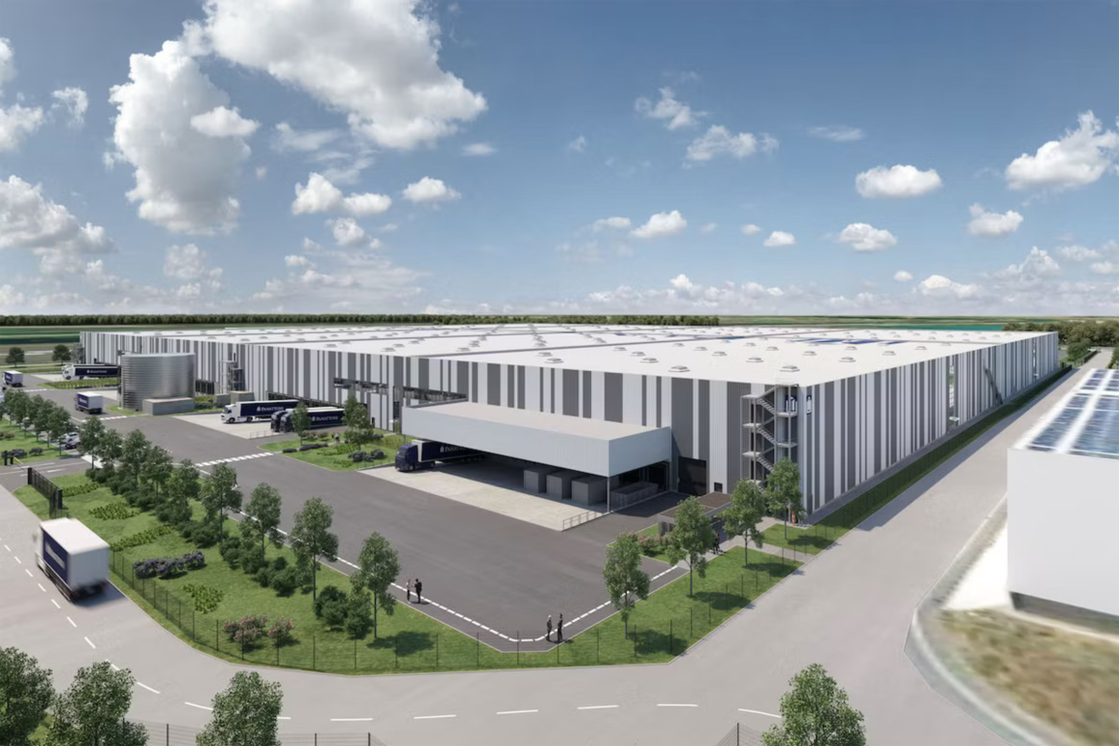
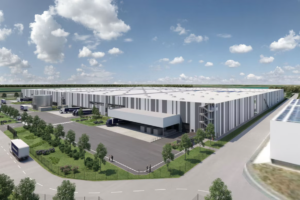
S.OLIVER GROUP is extending its warehouse automation programme with an AI-powered robotic solution from Nomagic. The technology will be installed at the fashion group’s logistics site in Dettelbach, Germany, where it is intended to automate induction for a diverse product range.
The deployment includes shoeboxes, a product type that has generally been beyond the practical reach of general-purpose robotic picking systems. That detail is significant for Industry 5.0 discussions: the challenge is not only to increase machine throughput, but to make automation useful in a human-centred, variable operating environment.
From standardised objects to product diversity
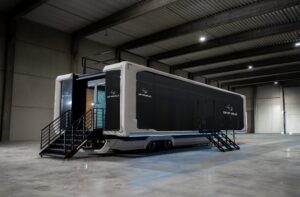
Nomagic’s Shoebox Picker combines AI-based perception with flexible robotic manipulation. The system is designed to recognise and handle shoeboxes as part of a wider flow rather than forcing the product category into a separate manual process. This gives S.OLIVER GROUP the prospect of automating a greater proportion of its fashion assortment.
Reducing repetitive manual handling can bring operational benefits while also changing how work is organised around the warehouse. The stated aim is a more scalable setup that can respond to future increases in volume. In practical terms, the project links digitalisation with resilience: a logistics process that can cope with more product variation is less dependent on narrowly defined automation conditions.
A pragmatic route to scalable operations
Kacper Nowicki, CEO and co-founder of Nomagic, said the company is bringing its Physical AI platform into a real logistics operation and focusing on reliability across a broader range of fashion items. Markus Steinmann, managing director logistics at S.OLIVER GROUP, presented the partnership as the next stage in the company’s continuing automation strategy.
The business sees particular potential in repetitive logistics activities, where automation can support efficiency, flexibility and operational excellence. No sustainability claim or quantified productivity result has been provided, but the project’s industrial relevance is clear: extending robotic capability to difficult packaging formats can improve the usefulness of existing automated flows.
For other manufacturers and retailers, the lesson is that automation maturity increasingly depends on adaptability. AI perception and versatile manipulation may allow facilities to pursue higher levels of automation without first simplifying their product mix.