Embedded AI reshapes the resilient logistics control layer
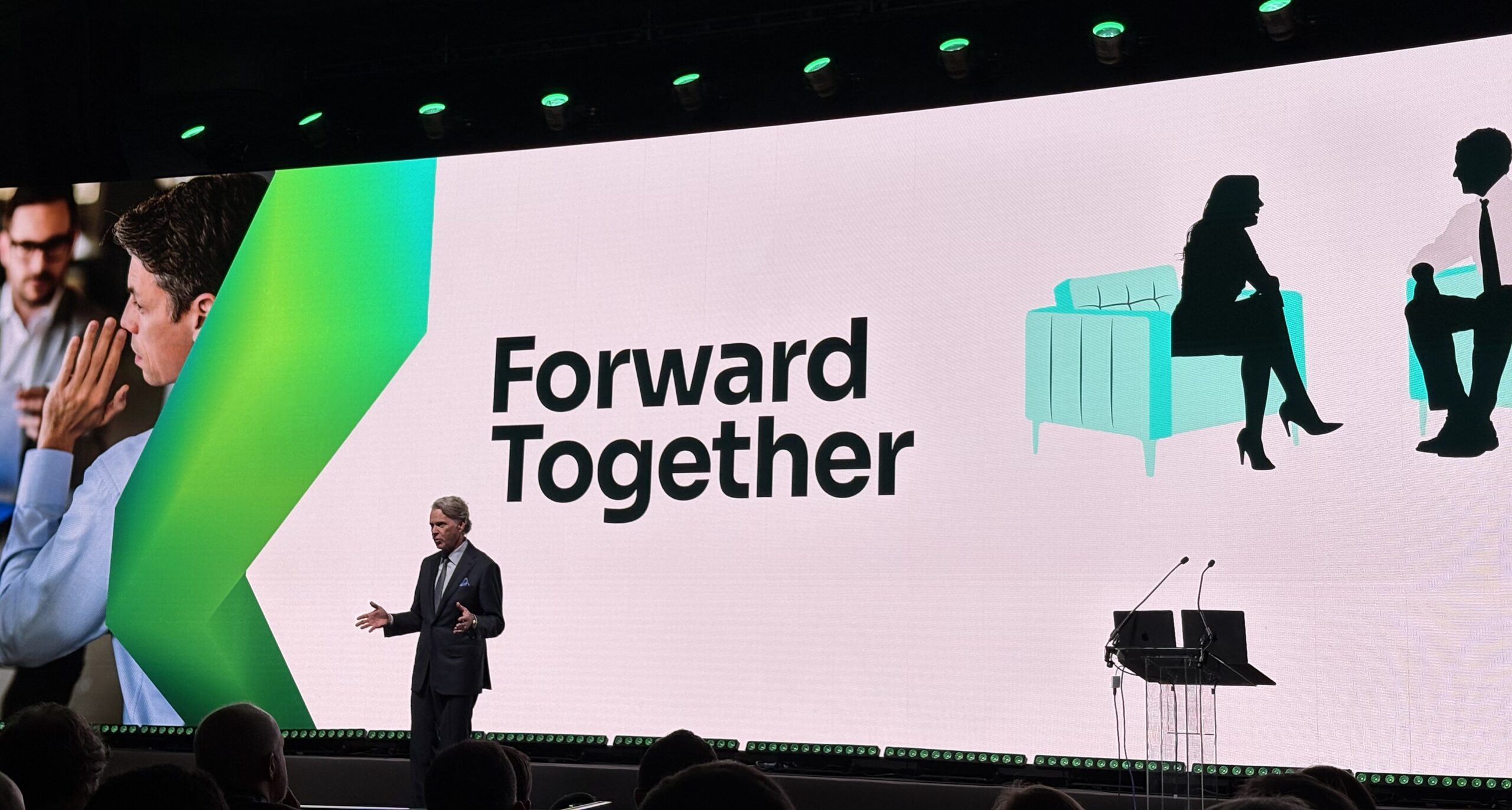
Industry 5.0 logistics depends on more than automating individual warehouse tasks. It requires connected systems that can respond to disruption, support people on the shop floor and coordinate decisions across the supply chain. Manhattan Associates is developing its Active portfolio around that principle, combining warehouse management, transport, planning, order management and retail applications in one cloud-native platform.
The commercial model has also been widened. Essentials provides a reduced set of capabilities for smaller or less complex operations, while Enterprise and Enterprise Premier address broader requirements. All three levels use the same underlying platform. Manhattan is aiming for a 100-day path from contract signature to go-live, a significant consideration for companies balancing transformation with immediate cost pressure.
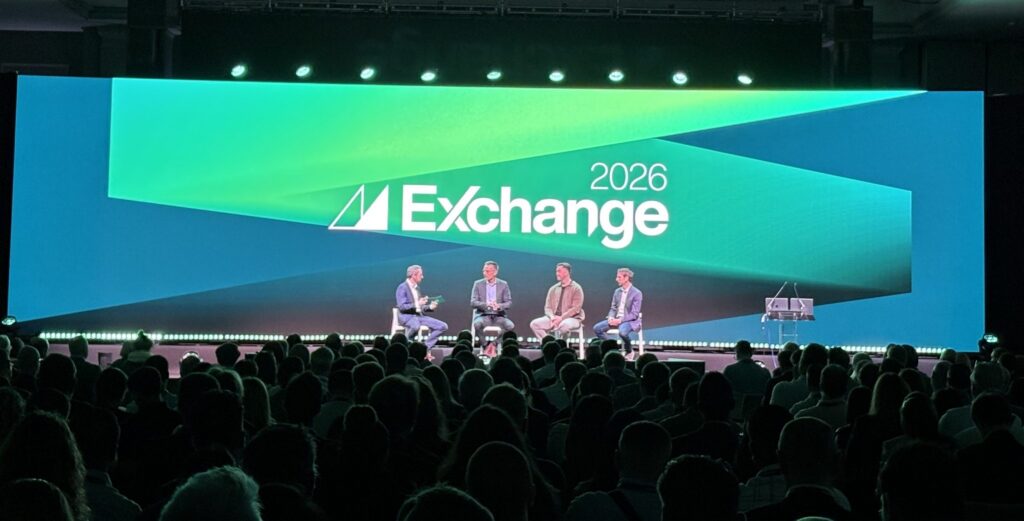
From automation to governed autonomy
The company’s AI design focuses on agents embedded in operational workflows. Transport planning, scheduling and shipment tracking agents perform defined tasks through controlled APIs rather than receiving unrestricted access to the technology estate. This architecture allows businesses to specify rules and guardrails while enabling software to coordinate routine decisions at speed.
That balance is important for a human-centred industrial model. The system can act autonomously within its permitted scope, but human judgement remains relevant when conditions fall outside the model’s rules. Cyber resilience is addressed through simulations of distribution-centre attacks and planning for alternative fulfilment if a facility becomes unavailable.
Operational and sustainability relevance
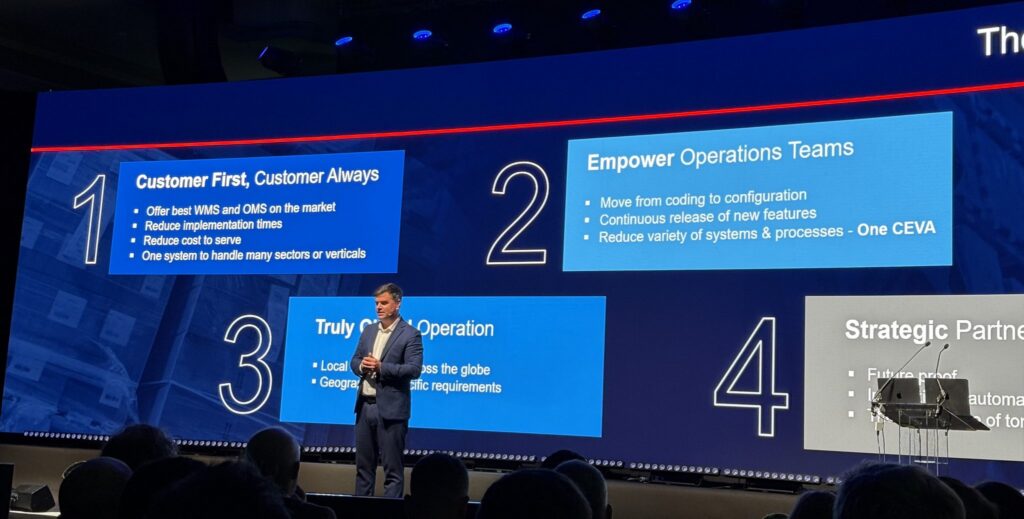
Customer examples show how integration can affect both efficiency and working conditions. Asda reports 100,000 fewer pedestrian trips in its distribution centres after deploying the platform, alongside fewer than 500 WMS incidents per month. CEVA Logistics is consolidating multiple inherited systems into a global approach across its logistics operations.
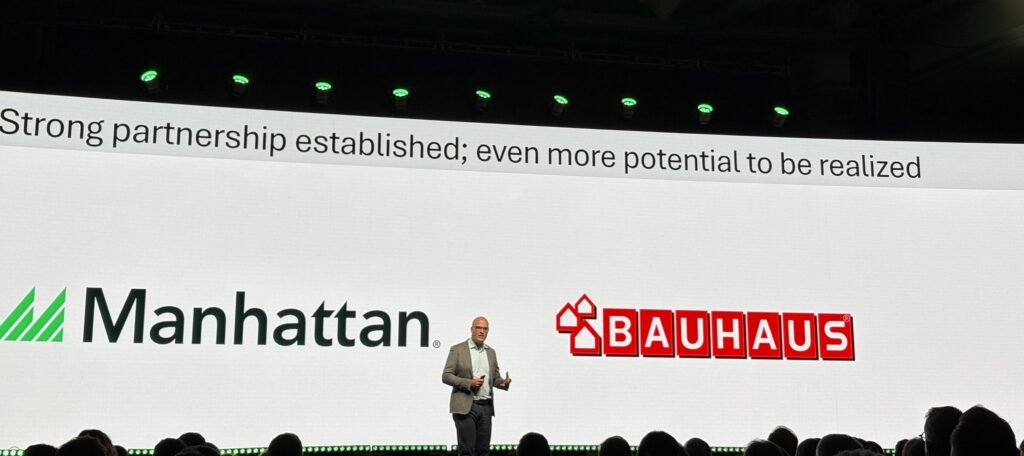
Nespresso uses the platform across a chain linking coffee from 18 countries with automated Swiss plants and customers in 80 countries. Its wider circular model includes recycling half of empty aluminium capsules, collected through postal returns, stores and local-authority facilities.
The industrial lesson is not that AI removes the need for people. Instead, it can reduce repetitive coordination and make exceptions more visible when it is connected to reliable execution data. Manhattan says it continuously regenerates much of its codebase, supporting an AI-native approach. More information is available from Manhattan Associates.