DHL deal adds resilient, temperature-controlled capacity in Colombia
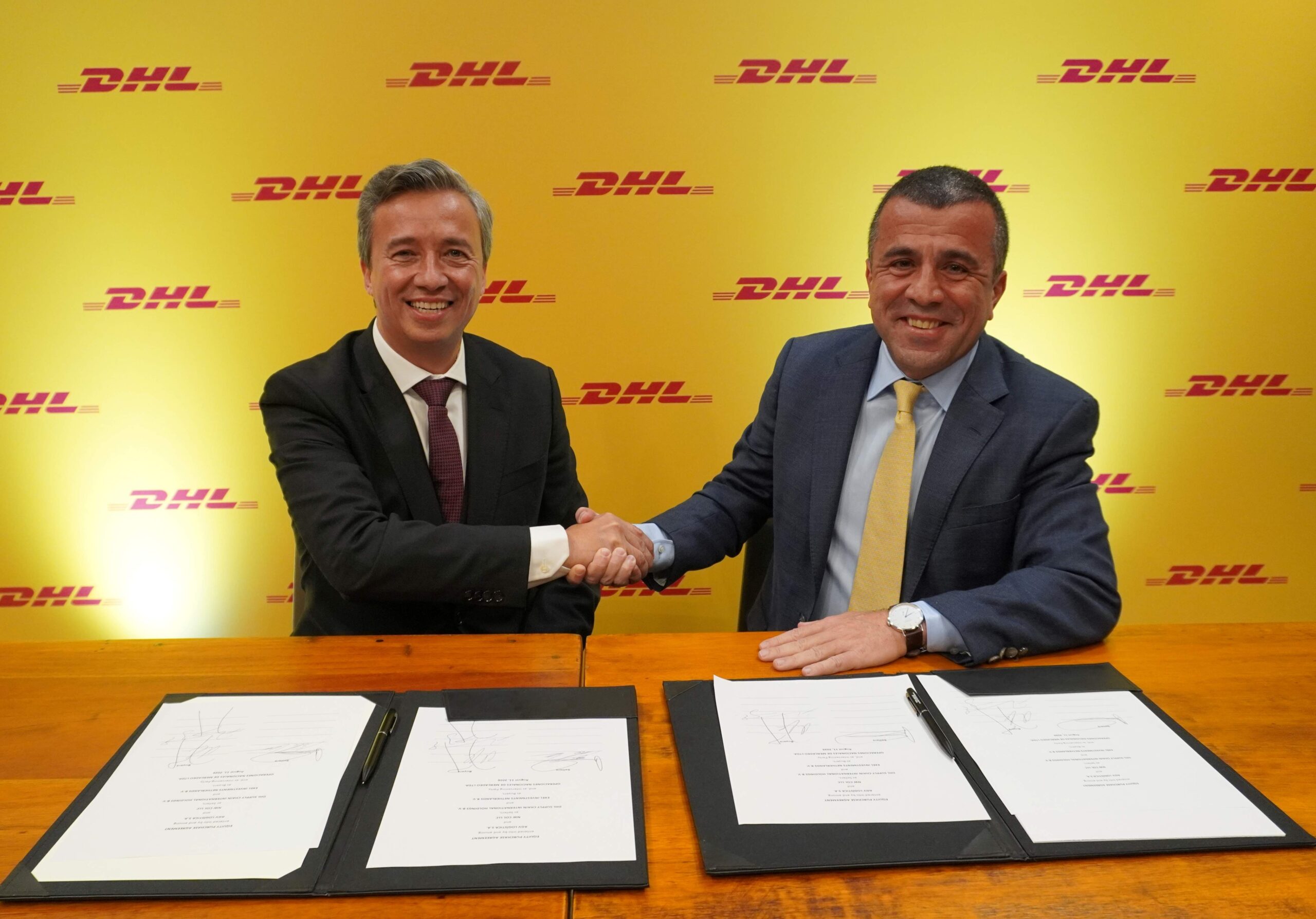
DHL Supply Chain is set to acquire Open Market, a Colombian logistics and transport operator whose network could strengthen the resilience of supply chains serving healthcare, life sciences and industrial customers.
Infrastructure for more demanding flows
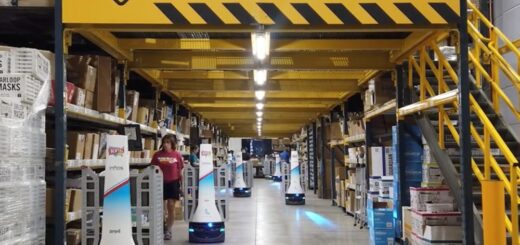
The agreement adds 21 warehouses with a combined 120,000m² footprint, 13 cross-docking platforms and an owned transport fleet. Open Market also contributes packaging and temperature-controlled operations. Together, these capabilities provide more options for products that cannot be handled through standard ambient logistics.
That matters for pharmaceutical and medical products, but the application is broader. Open Market also works with personal care, consumer goods, engineering and manufacturing businesses. A larger, connected platform can help industrial companies coordinate storage, consolidation, cross-docking and transport through one regional provider.
The transaction also illustrates how logistics expansion is increasingly based on combining network scale with specialised operating knowledge. DHL has recently increased capacity at its Constellation Distribution Center in Cota, near Bogotá, adding to the infrastructure available for complex supply chains.
People and regional integration
About 4,100 Open Market employees are expected to transfer to DHL Supply Chain. Their local knowledge and established customer relationships may be as important as the physical assets during the integration phase. Completion remains conditional on customary closing requirements.
Open Market chairman Anibal Wadih said the transaction supports a decision to focus the company’s investment and capabilities on Brazil. Maintaining service continuity and quality during the changeover is a stated priority. Open Market is linked to AGV, while the Colombian operation will become part of DHL Supply Chain.
For DHL, the agreement supports Strategy 2030 and extends a regional build-out that includes its acquisition of Aero Cargas in Uruguay. The immediate result is greater Colombian capacity; the longer-term industrial implication is a broader platform for managing specialised and potentially more disruption-sensitive supply chains across Latin America.