Connected traffic systems can strengthen logistics resilience
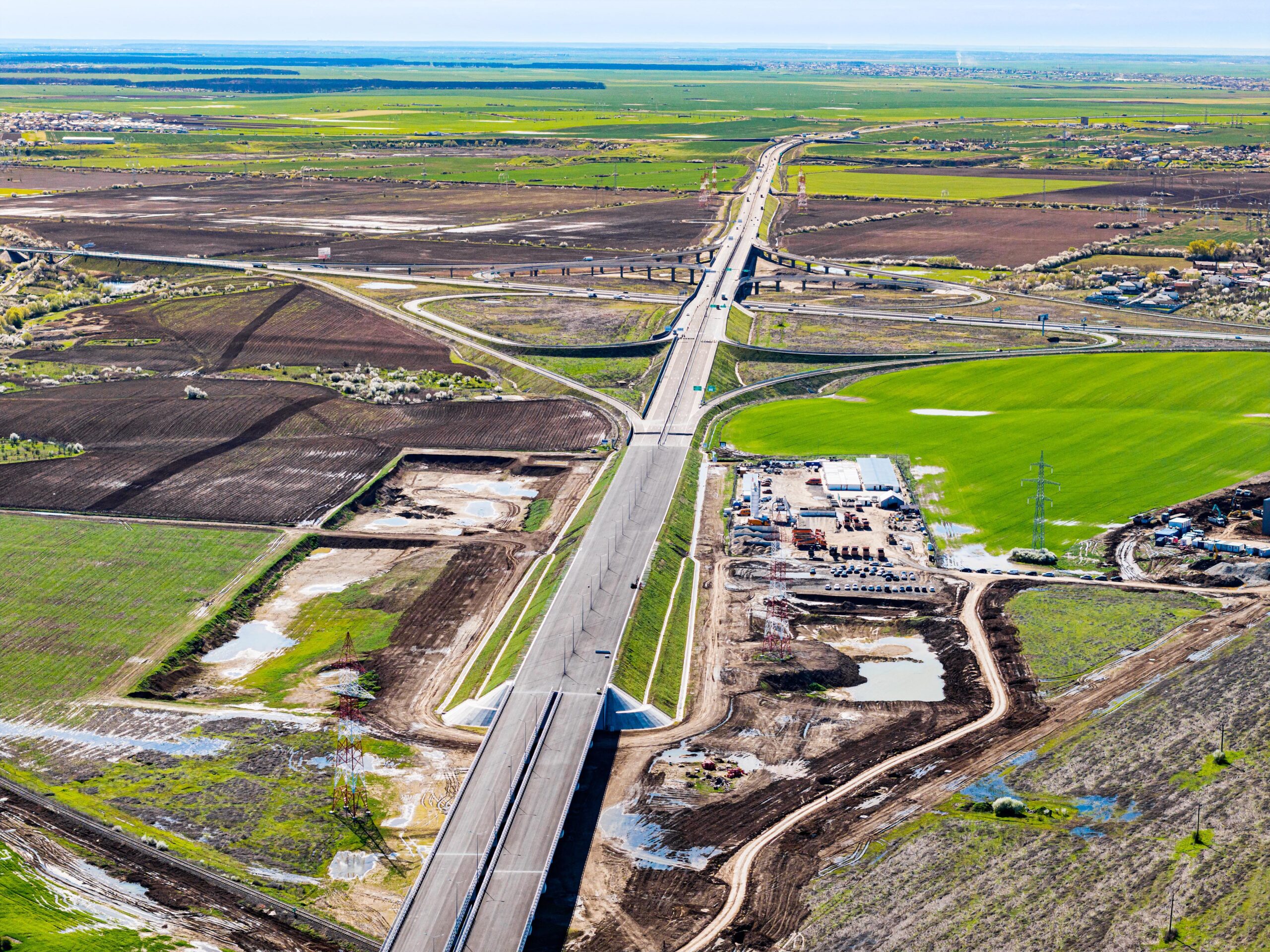
Logistics parks are beginning to expose a limitation in traditional traffic planning: a larger entrance does not necessarily create a more resilient operation. When vehicle queues form, the visible bottleneck may be far removed from the underlying constraint.
Loading bay availability, warehouse throughput, internal routing, documentation and vehicle processing all influence how much variation a site can absorb. A facility may perform well under a regular arrival pattern, then become unstable when demand is concentrated into a short period. Longer loading cycles reduce throughput, increase dwell time and leave less capacity for the next arrival.
Digital visibility before congestion
Systems integrator IESYS highlights the role of an integrated Traffic Management System in connecting vehicle flow with the wider operation. Data from warehouse management, dock scheduling, dispatch and access control can give the TMS a role as an orchestration layer, rather than a system that merely records events after disruption has occurred.
Design decisions determine how useful that orchestration can be. The placement of automatic number plate recognition cameras, video analytics and other identification technologies affects how early an approaching vehicle is recognised and assigned to the right process. Timely information can support routing, access control and loading preparation while corrective action is still possible.
Resilient operations also require a broader performance dashboard. Throughput, average speed, dwell time, queue length and vehicle processing time provide different views of the same flow. Used together, they can show that operational capacity is deteriorating before a visible queue reaches a critical level.
From isolated automation to coordinated decisions
Interoperability is central to this approach. Individual systems may be functioning correctly while collectively leaving operators without an explanation for delays. A queue at an exit could result from road capacity, but combined data may instead identify delayed loading, documentation issues or an imbalance in arrivals.
This is a practical Industry 5.0 lesson: digitalisation should help people understand and coordinate the system, not simply produce more monitoring data. By linking traffic information to operational capacity, logistics companies can intervene earlier, reduce the risk of cascading delays and make better use of existing infrastructure.