Why pallet control matters to Industry 5.0 operations
Industry 5.0 is often discussed through the interaction of people, automation and intelligent production systems. Yet the reliability of these systems also depends on basic physical assets. When pallets break, disappear or arrive in inconsistent condition, the disruption can reach automated equipment, labour processes and inventory planning.
A managed reuse loop offers a practical response. Instead of treating pallets as disposable packaging, a company can retain ownership, define the routes on which they circulate and recover them at a controlled point. The model requires more capital at the start, but durable plastic pallets can be used every day for up to 10 years. Wooden alternatives may last only two to three years, while damage and loss generate recurring replacement demand.

Kimal’s closed internal circuit
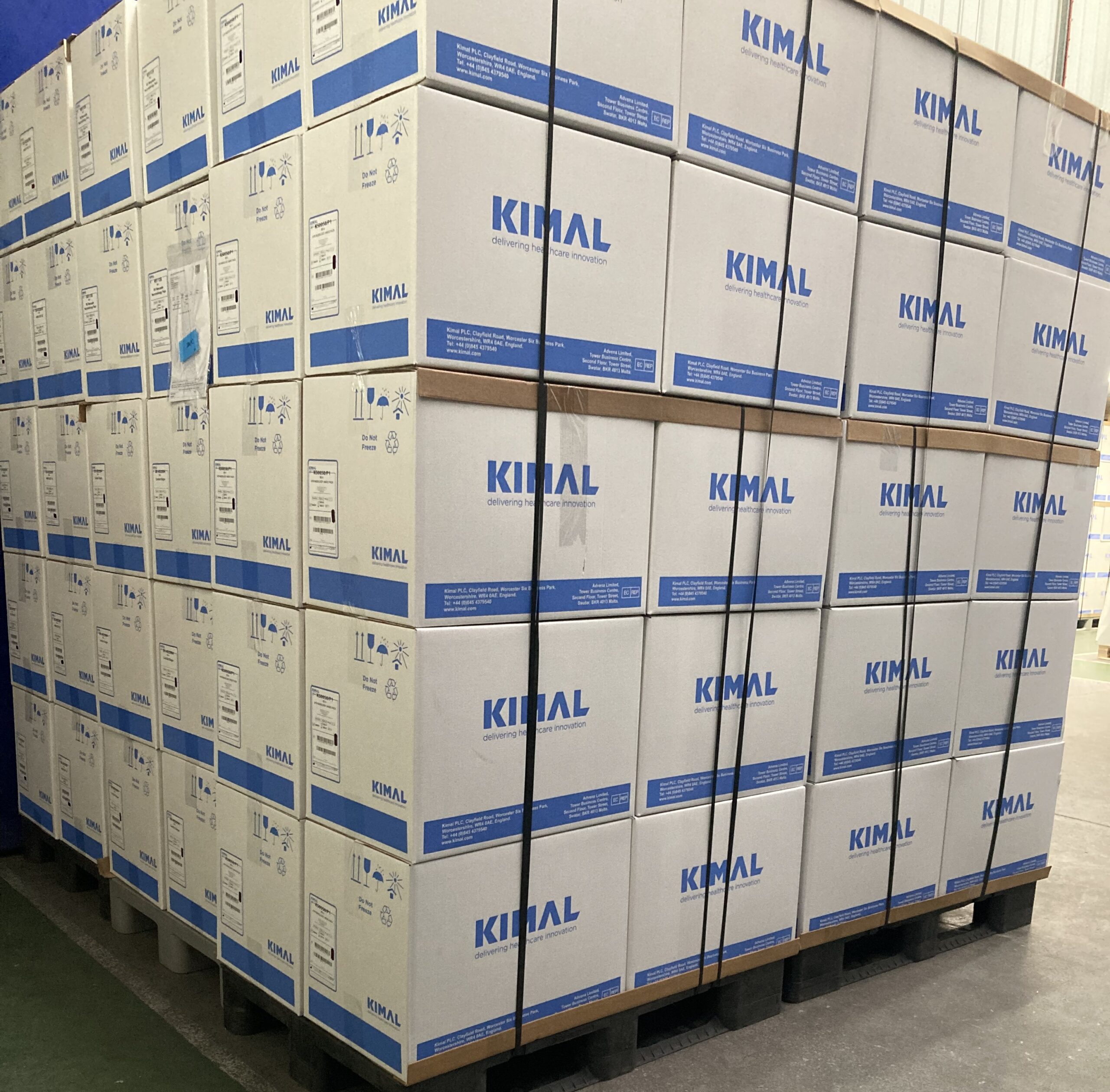
Kimal, a UK producer of specialist medical procedure packs and vascular access devices, previously transported products from its Bromsgrove clean-room facility to an external sterilisation provider on wooden Euro pallets. Most pallets were not returned. The business consequently purchased around 250 pallets every week, with annual spending reaching approximately £80,000. Breakages and splinters also created workplace hazards and a possible threat to automated handling equipment.
The revised process uses 1,095 heavy-duty pallets made from 100% recycled HDPE. Their open deck allows sterilising gas to pass through. They move from clean-room production to sterilisation and then to Kimal’s distribution hub in Worcester. After return, the reusable pallets are removed from the customer-delivery stream and placed back into the internal circuit; cheaper wooden pallets are used for outbound shipments.
Resilience and sustainability in one intervention
Kimal achieved approximately £20,000 of savings in year one after implementation and equipment costs. Projected savings in subsequent years are around £84,000 annually, including allowances for maintenance and replacement. Pallet replenishment was consolidated into one annual shipment rather than weekly deliveries, with a forecast CO₂ saving of 1,200kg per year.
The plastic pallets weigh about 16kg, making them 10–14kg lighter than the wooden units. That reduces manual-handling exposure while providing a more consistent platform for automated operations. The case, supplied by Go Plastic Pallets, illustrates an Industry 5.0 principle: sustainability and human-centred design can be achieved through disciplined control of everyday industrial assets.