Würth Australia builds a flexible automation platform for growth
Würth Australia is using automation to redesign how products move through two key distribution facilities. The company is partnering with Dematic on installations in Yatala, Queensland, and Keysborough, Victoria, with the aim of creating a more scalable fulfilment platform rather than simply automating one isolated warehouse task.
The business supplies more than 22,000 products to over 56,000 active customers. Its markets include automotive, transport, earthworks, fabrication, maintenance, construction and mining, making product variety a central design consideration for the project.
Automation with a human-centred operating model
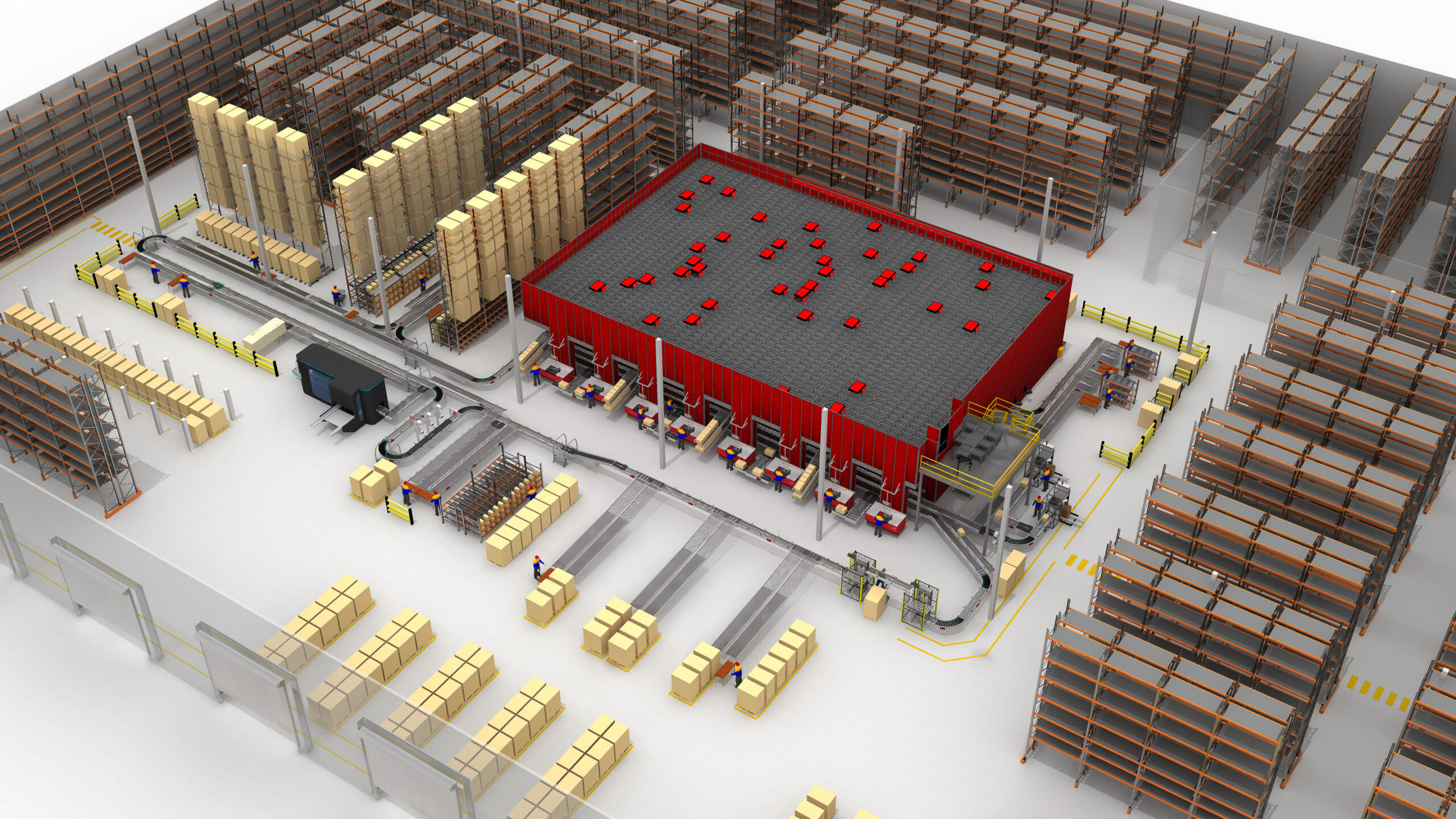
The planned architecture combines an AutoStore goods-to-person system with dedicated manual picking areas. AutoStore will provide high-density storage and support both split-case and full-case picking, while manual workstations will handle products with different physical or handling requirements.
This division of work is significant for industrial distributors. A single automated route may be efficient for standardised stock but less suitable for a mixed portfolio. By combining the two approaches, Würth can allocate orders and items to the process that fits them best while retaining operational flexibility.
Downstream automation will carry orders through document insertion, carton optimisation, sealing, labelling and despatch sortation. Dematic’s Warehouse Control System will coordinate equipment and tasks, integrating with Würth Australia’s warehouse management system. The arrangement is intended to create a connected flow from picking to shipment and strengthen visibility over inventory movement.
Capacity designed for the next phase
Serge Oppedisano, Würth Australia CEO and senior vice president of the Würth Group Oceania, said the project supports the company’s focus on complete and accurate deliveries. He also identified inventory management and product flow as important parts of the investment.
The Yatala solution is planned to become operational in August 2027. The larger Keysborough facility is scheduled for December 2027. Together, the projects show how industrial distributors can combine digital control, goods-to-person automation and manual expertise instead of treating automation as an all-or-nothing choice.