Right-sizing packaging links peak resilience with leaner operations
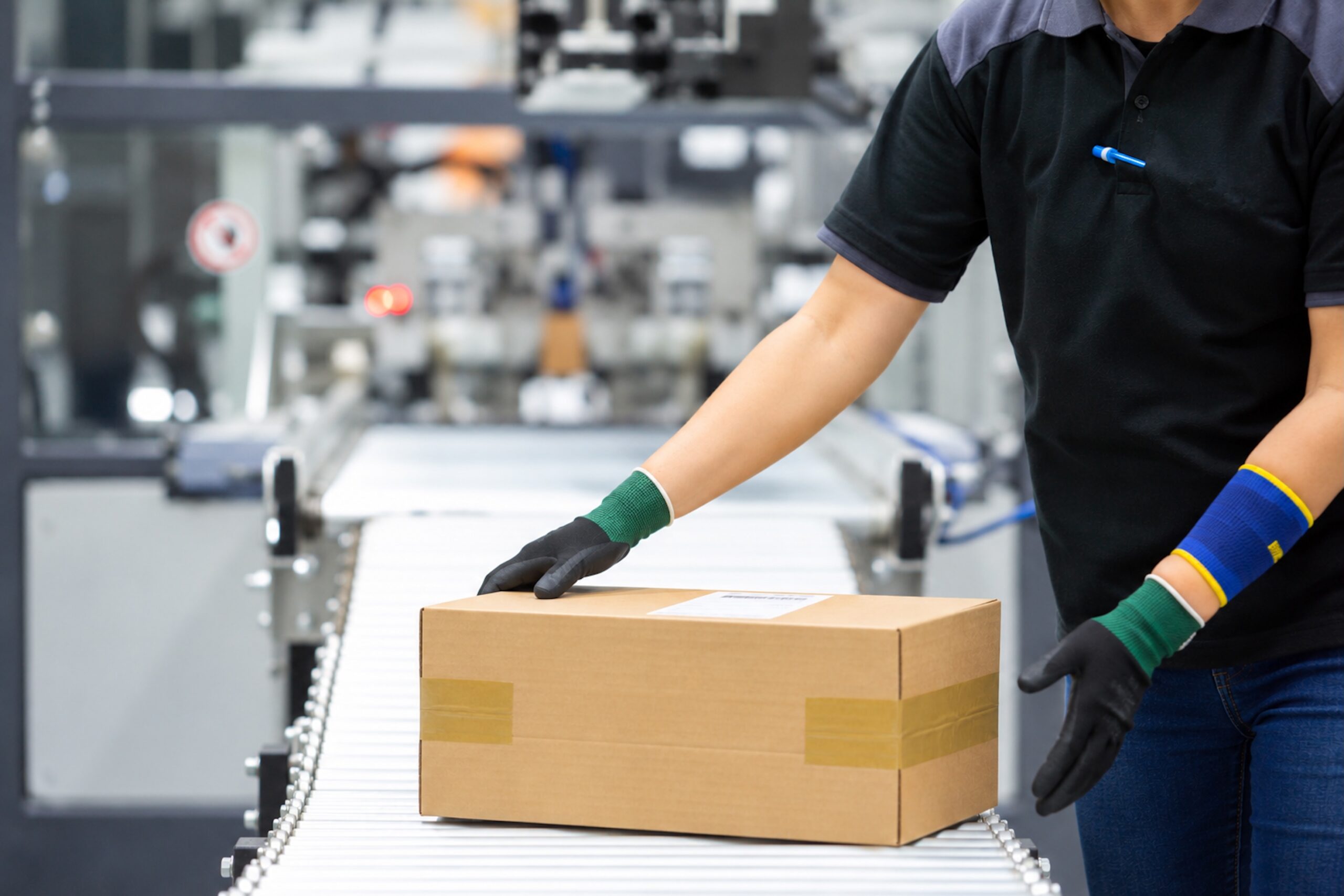
Packaging is often where peak-season fulfilment becomes least predictable. A surge in ecommerce orders brings higher throughput requirements, more mixed baskets and a wider range of product dimensions. At the same time, delivery expectations leave little room for rework or dispatch delays.
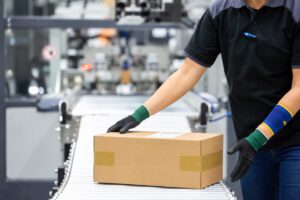
The conventional response is to add manual stations and temporary labour. That approach brings its own constraints: workers must learn carton selection, box forming and void-fill techniques, while operators must hold inventories of many pre-formed sizes. Errors can damage products, slow the line and increase waste. Oversized cartons also create a transport penalty where carrier charges are based partly on volumetric weight.
A more adaptable packaging layer
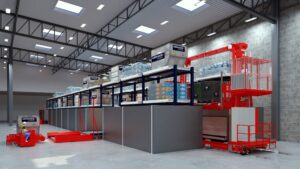
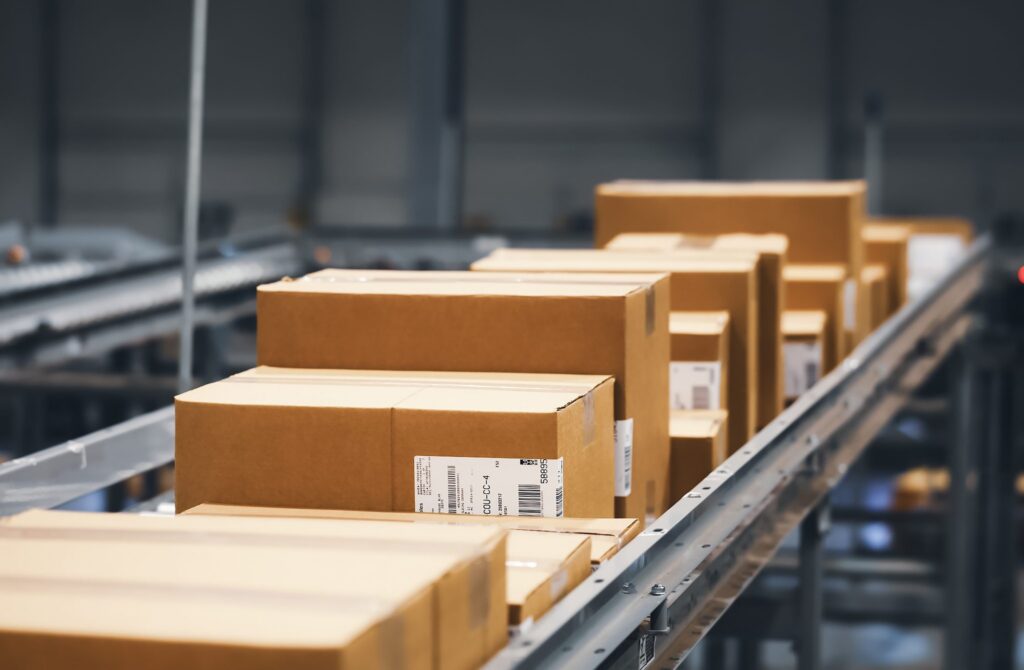
Automated right-sizing changes the process by producing a carton for the actual order rather than choosing from a fixed range. The system can support manual loading or form the box around the picked goods, with automated closing, sealing and labelling available in the same flow.
Packsize says its customers see an average 40% reduction in box size. It also reports that its equipment can replace as many as 20 manual packing stations. Those figures point to a broader Industry 5.0 benefit: automation does not simply add speed, but makes human work less dependent on repetitive judgement and short-term staffing.
The sustainability case is closely connected to operational efficiency. The supplier cites corrugated savings of up to 30% and near-elimination of void fill in suitable applications. Smaller cartons reduce material consumption, storage requirements and parcel volume, while helping address consumer concerns about unnecessary packaging.
Resilience through integration
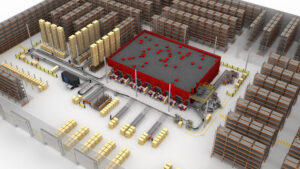
Right-sizing also creates a more controllable data and material flow. Consistent packing outputs make it easier to align picking rates, workforce allocation, conveyors, sortation and dispatch capacity. New products can be introduced without stocking a new set of finished cartons, because the system can create different shapes and dimensions from the available material.
Different automation levels make the approach relevant beyond the largest distribution centres. Integration with warehouse management and control systems can extend the process from order information to final labelling. This turns packaging into a connected production step rather than an isolated manual activity.
The investment case therefore extends beyond the festive peak. Lower labour demand, reduced packaging inventory, more efficient transport and smaller material flows can support continuous improvement throughout the year. For industrial companies, the practical lesson is that resilience can come from making variability manageable, not simply from adding people and space.