The loading bay becomes a test of Industry 5.0 resilience
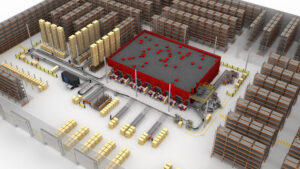
Industry 5.0 discussions often focus on connected production, intelligent planning and collaboration between people and machines. Yet a basic transition point remains under-digitised in many factories: the loading bay. Manual loading and unloading can isolate the final movement of goods from the systems that monitor production, inventory and transport.
This gap has practical consequences. Handling a truck may take as long as 45 minutes, while forklift operations expose workers to recognised warehouse hazards and depend on scarce skilled drivers. Replacing forklifts with AGVs alone does not guarantee progress. The dock is a demanding environment, with uneven surfaces, oil, loose packaging and irregular loads that can reduce autonomous vehicle performance.
Productivity and resilience in one intervention
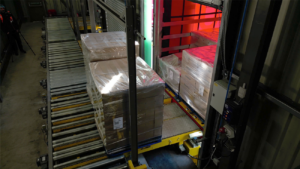
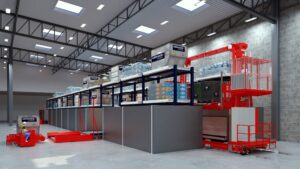
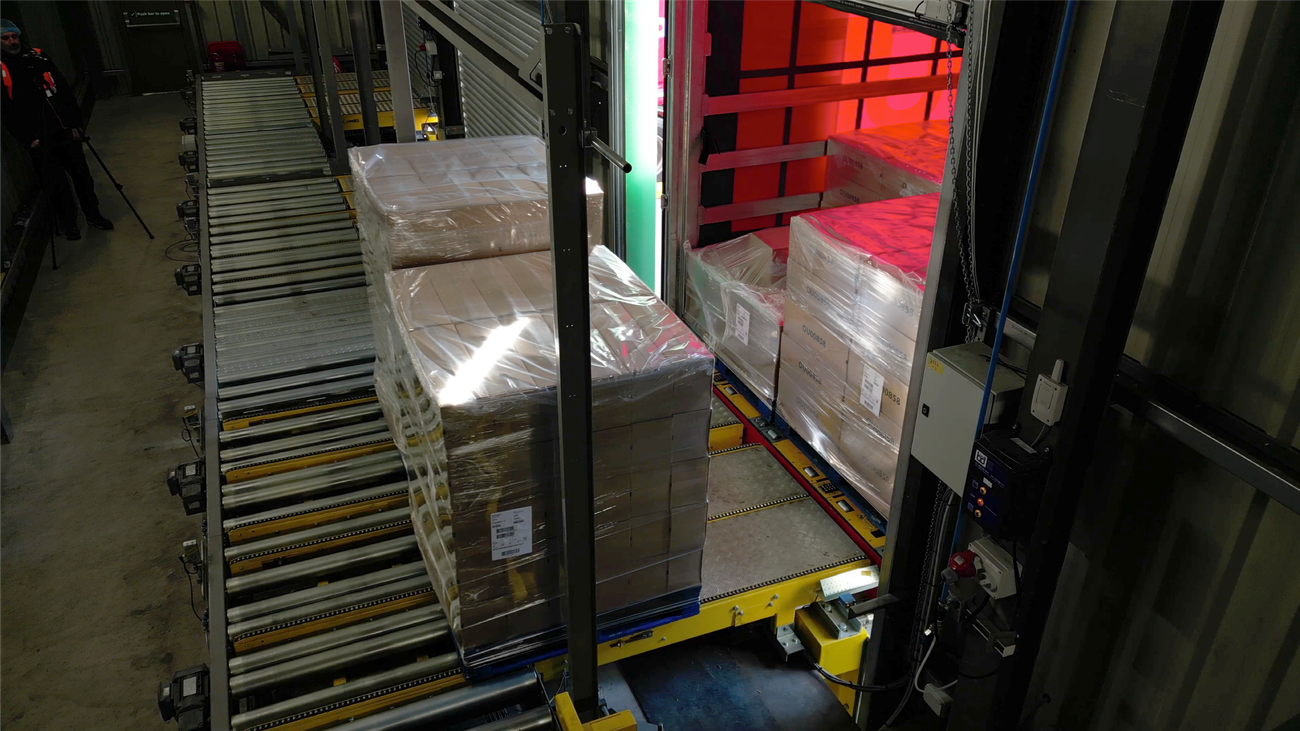
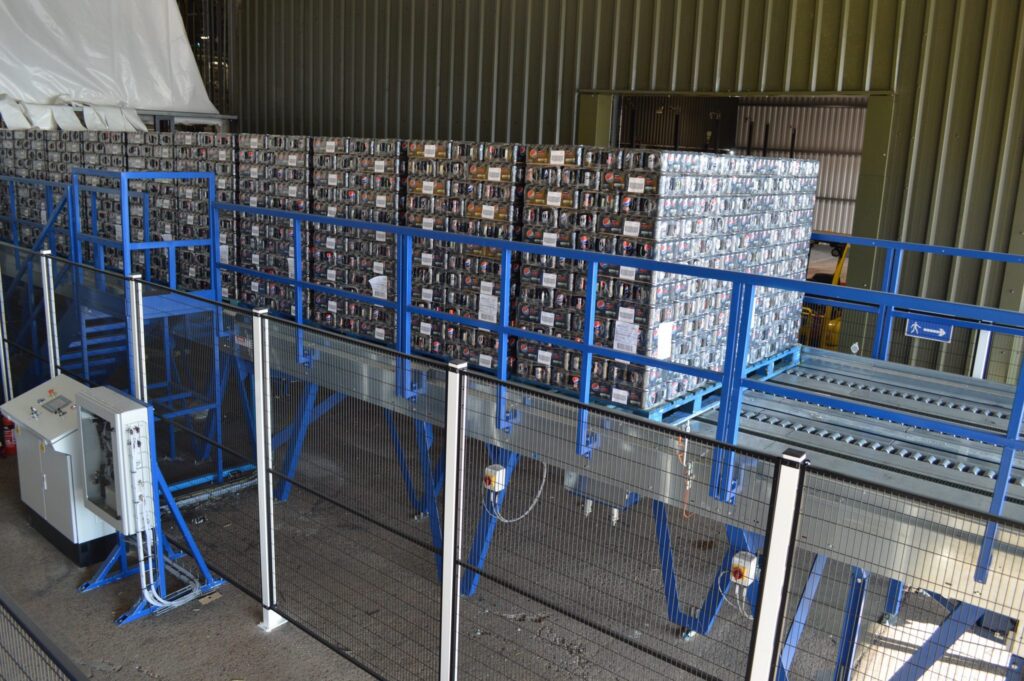
Automated loading equipment based on slipchain, moving-floor and trailerskate principles can reduce loading and unloading to less than five minutes. It can be introduced in highly automated sites, smaller warehouses or existing brownfield facilities. This retrofit potential is important for industrial companies seeking incremental improvements rather than a complete site rebuild.
Shorter truck turnaround can release capacity inside an existing plant. Better bay allocation may improve material flow, while faster handling can make the site more responsive to short production runs and changing customer requirements. Reduced manual intervention can also lower operational risk.
Data for human-centred decision-making
Real-time information from the dock gives teams earlier warning of delays and supports more reliable coordination with carriers and 3PL providers. It can reveal patterns linked to trailer types, partners or handling routines. Combined with load management, that information creates a foundation for predictive tools without removing people from the decisions that require operational judgement.
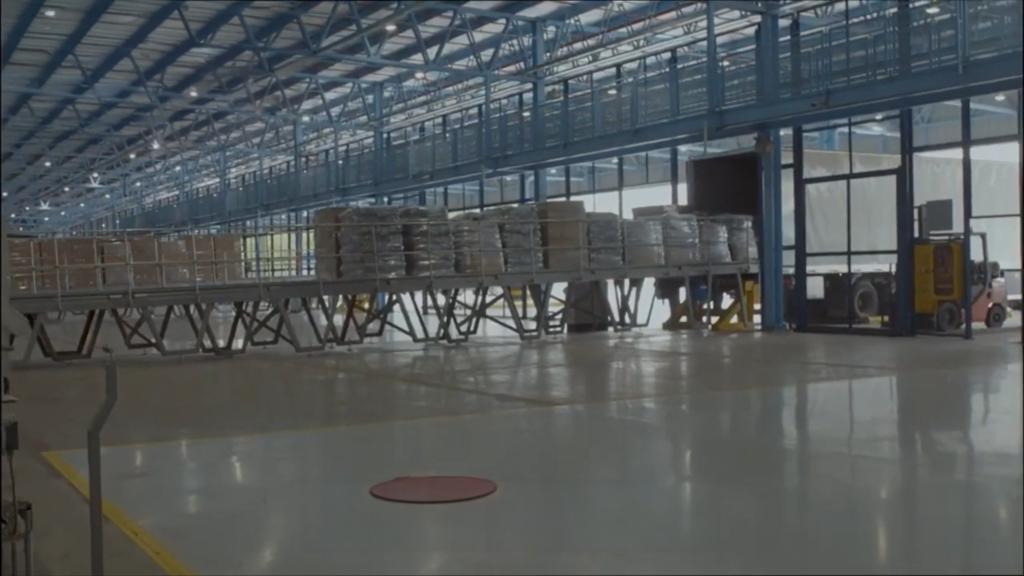
Joloda Hydraroll describes the opportunity as broader than addressing labour availability. Connecting the loading bay to the digital supply chain can improve safety, throughput and the ability to absorb transport disruption.