Automation roadmap follows Bleckmann’s H&M Group launch
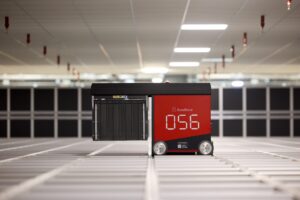
A new fashion logistics operation in the UK is moving quickly from launch to automation. Bleckmann has begun working with H&M Group at its Crick warehouse near Northampton, with an AutoStore system now being implemented as part of the site’s development.
The operation went live in early August and supports logistics for several H&M Group brands. Crick is positioned in the East Midlands’ Golden Triangle, a UK distribution cluster that gives the project a strong regional base.
Scaling capability rather than space alone
Bleckmann is a supply-chain specialist for fashion and lifestyle businesses. Its planned AutoStore installation is designed to improve efficiency, storage capacity and flexibility at the operation. The approach combines the existing warehouse with a more automated storage model, allowing the site to develop its capabilities as requirements change.
For industrial operators, the project highlights a practical route to resilience: technology can provide additional operating capacity while retaining the benefits of an established location. The source material does not specify the system’s size or completion date, but confirms that implementation work is under way.
Operational partnership with a digitalisation component
Bleckmann says expanding its operations and customer base is important as demand grows from current and prospective clients. Reinardt van Oel, chief operations officer for Belgium and the United Kingdom, welcomed H&M Group as a customer and described the collaboration as a foundation for further progress.
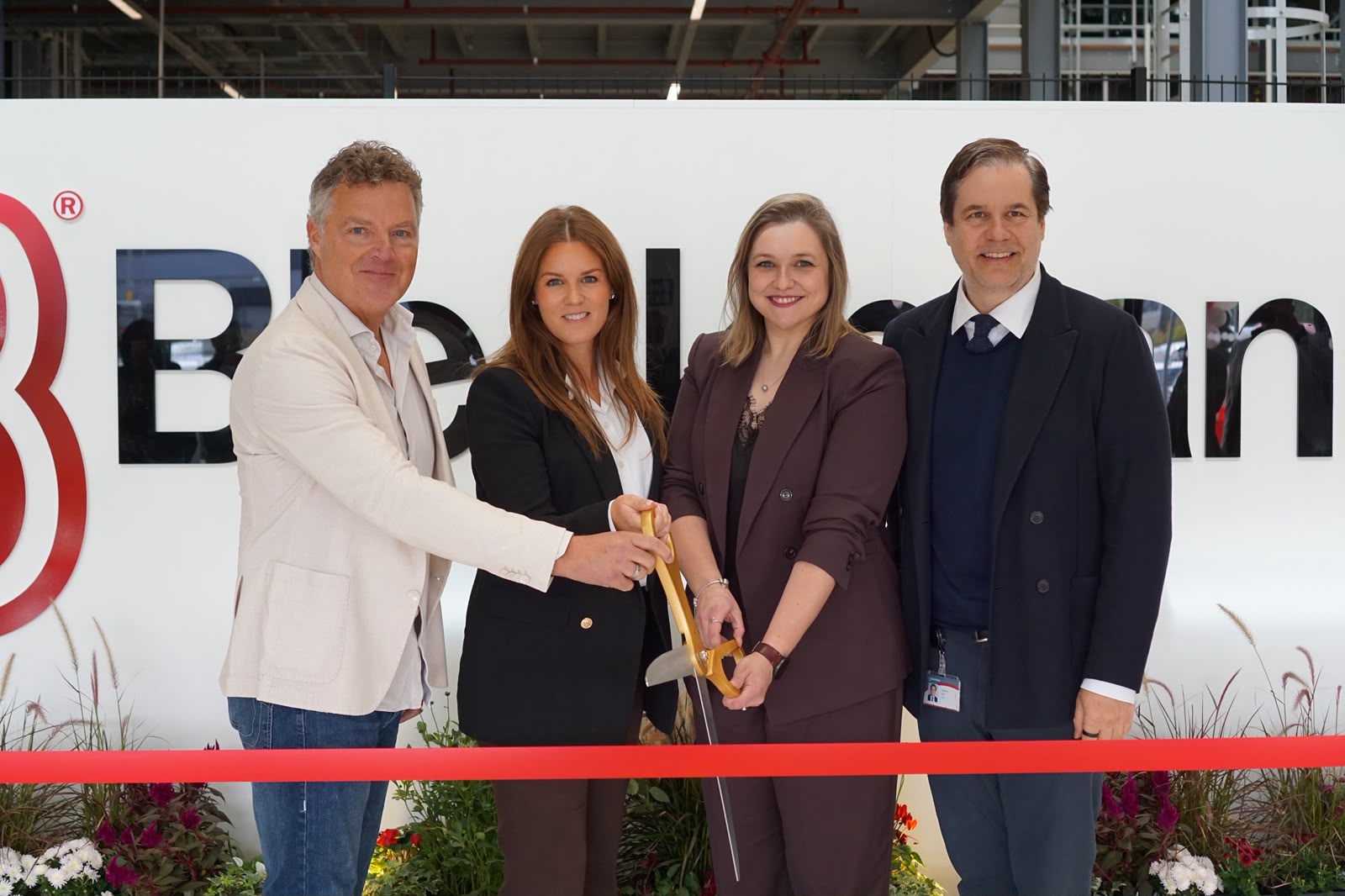
The companies marked the launch with an event at the warehouse. H&M Logistics and Bleckmann employees attended, including Bleckmann CEO Gökalp Çak. A guided tour gave participants a closer view of the operational layout and the team running the new activity.
The Crick project therefore combines business expansion with a clear Industry 5.0-era lesson: automation is being introduced to support people, capacity and adaptability within an active supply-chain operation. Its immediate value lies not only in storage density, but in creating a more flexible platform for future logistics demand.