A smarter RFID changeover could make industrial traceability leaner
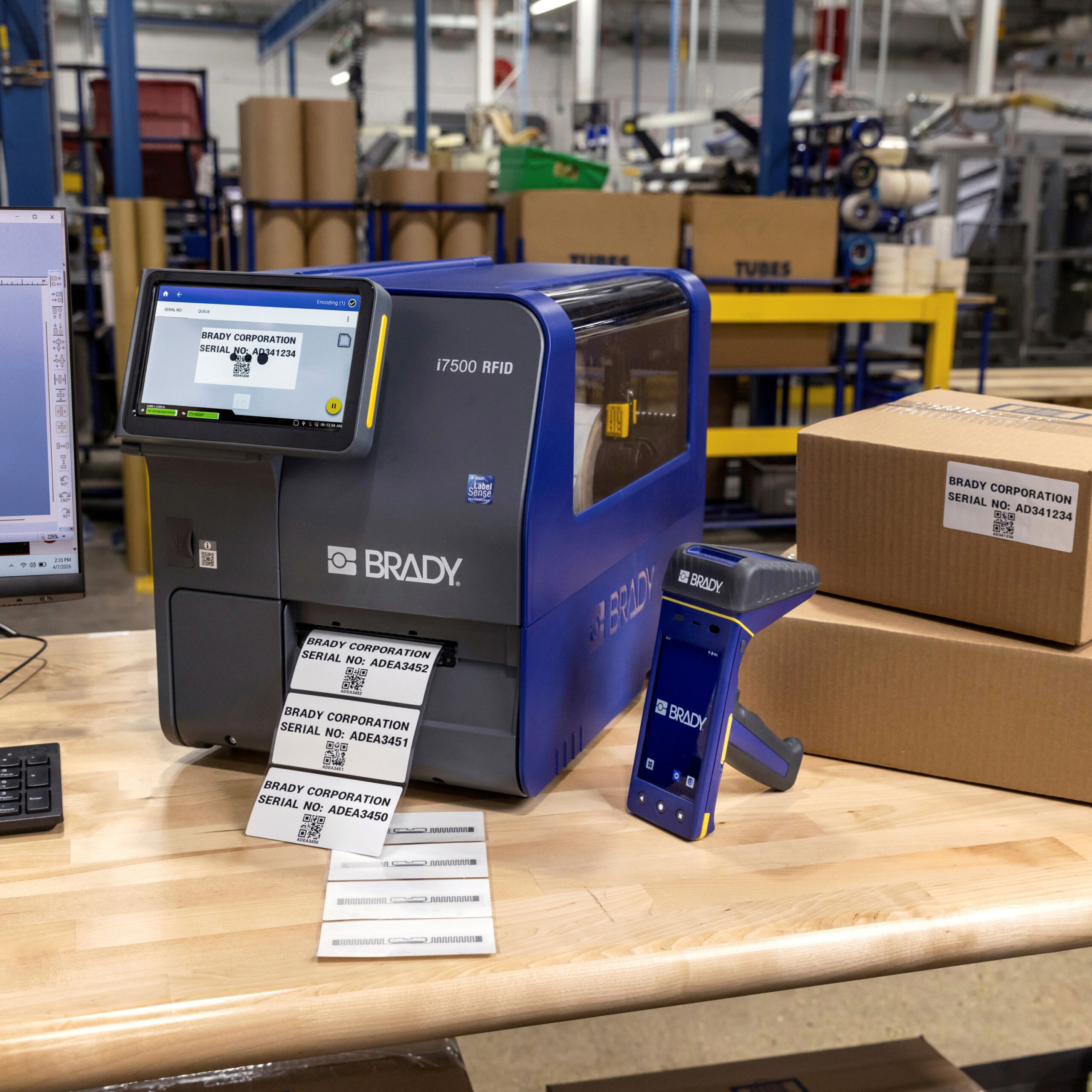
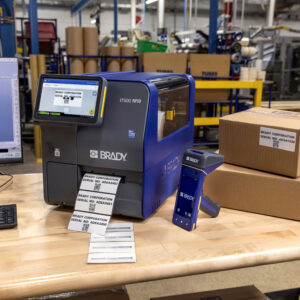
Industrial traceability depends on reliable identification, but RFID printing can introduce its own inefficiencies when every material change requires manual tuning and discarded test labels. Brady’s new i7500 RFID addresses that gap with automated setup for UHF RFID consumables.
Digitalisation without a calibration penalty
The printer locates the RFID chip in the loaded label and selects the internal antenna and power level needed for encoding. This removes a manual configuration task and is intended to make RFID more accessible to operators who are not specialists. Brady says the technology can identify chips on labels only 15 mm wide.
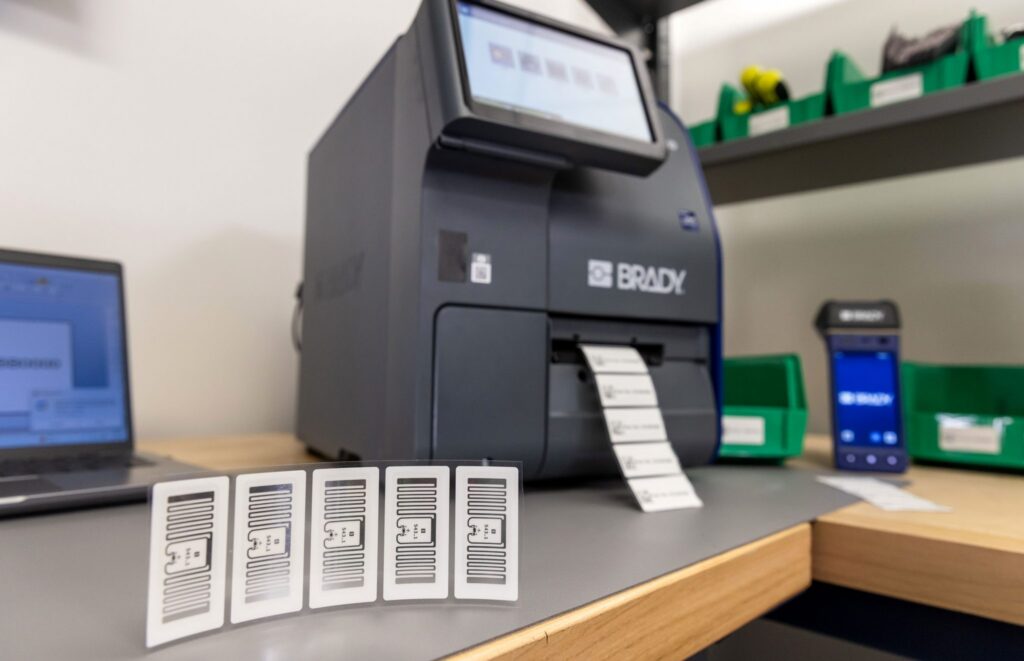
The approach has a practical sustainability benefit: fewer labels are consumed during calibration, while incorrect or void tags can be limited through automated encoding verification. That matters in operations using several label formats, where repeated setup losses can accumulate over a production run. The i7500 is designed to handle large and small labels, on-metal formats up to 2 mm thick and off-metal materials.
Resilience through faster changeovers
Brady specifies a setup time of less than three minutes for these material categories. The company says this is two to 25 times faster than some competing printers. Print and program time is three seconds per label, supporting applications from pallet labels to component-level identification.
The device also bridges RFID with existing identification processes. It can print human-readable information, QR codes and barcodes at 300 or 600 dpi, while accepting data through Ethernet, USB, Wi-Fi and Bluetooth. GS1 support enables EPC-based RFID coding alongside barcodes for individual items.
For Industry 5.0-oriented operations, the significance is not simply higher printing speed. A printer that reduces scrap, technical intervention and unplanned downtime can make digital traceability more resilient without requiring a large increase in operator complexity. The i7500 is part of Brady’s wider RFID ecosystem, including labels, readers and software.