Why Logistics Needs to Redesign Work for AI
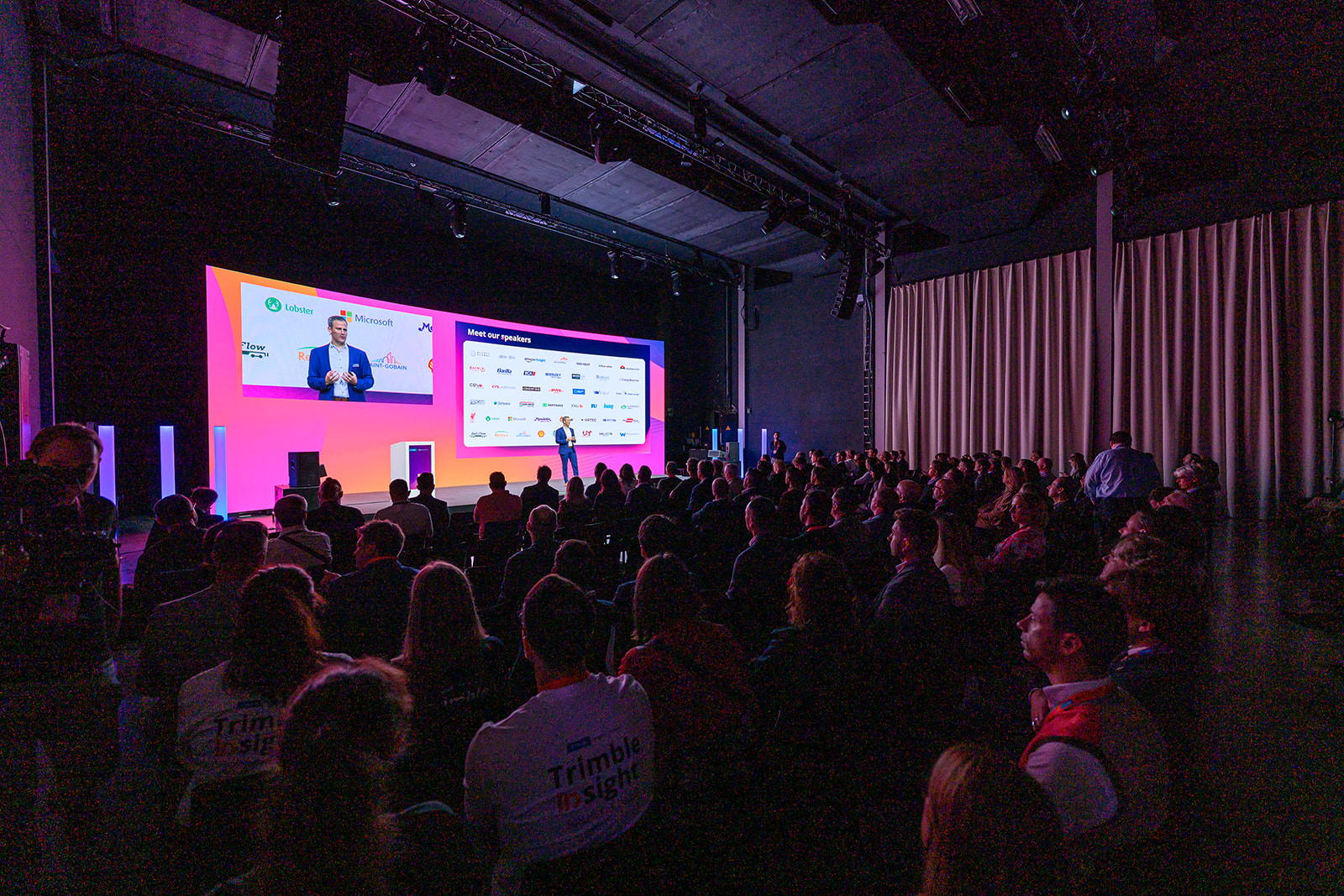
The logistics sector is approaching an important transition: artificial intelligence is becoming capable of participating in operational work, yet the largest gains will not come from adding a chatbot to an unchanged process. The discussion at Trimble Insight in Brussels pointed towards a broader Industry 5.0 lesson—technology must be introduced alongside redesigned workflows and continued human responsibility.
From software feature to operating capability
Trimble Arc is being developed as a vertical AI solution that works with Transporeon’s logistics applications. It can support freight-market analysis, procurement recommendations, vehicle utilisation and automated quotation activity. By operating within an existing data and software environment, the system is intended to function more like a digital colleague than a generic conversational tool.
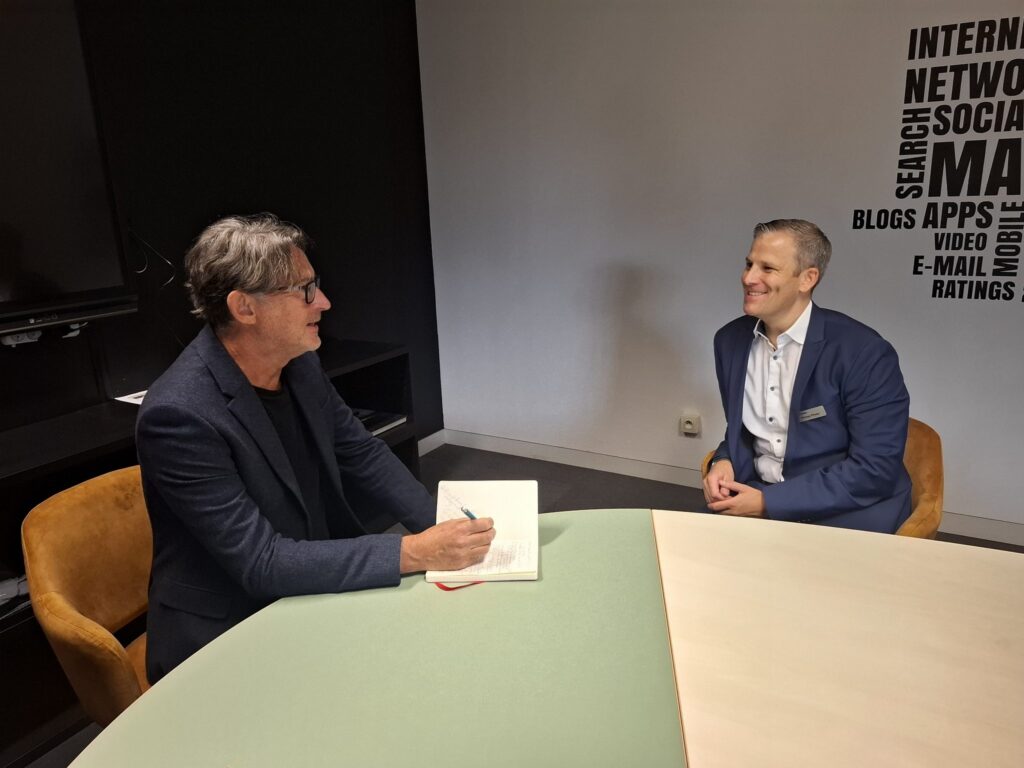
This distinction matters for industrial companies. A carrier with a small office team may not have the capacity to monitor spot-market opportunities while coordinating daily operations. AI could handle part of that surveillance and identify loads or quotation opportunities. Buyers can also set price boundaries for procurement, helping manage expenditure without placing unsustainable pressure on carriers.
However, automation must remain proportionate to the risk. Users can delegate tasks while retaining approval before actions that may accept a rate or create a transport commitment. Safety checks take place before applications reach customers. Human intervention is also essential when delays, relationships or commercial circumstances are not fully represented in the available data.
Integration is the resilience layer
Future progress will depend on agents working across systems rather than automating isolated functions. Logistics still involves manually moving information from emails into applications, maintaining duplicate records and reconciling inconsistencies. Coordinated agents could remove this friction, but disconnected AI products would reproduce the silos that already weaken visibility and resilience.
Digital maturity is therefore a prerequisite. Some organisations can introduce AI into established platforms; others must first digitise paper-based work and spreadsheet-driven processes. This uneven starting point means that AI adoption will not follow a single timetable. Companies should first identify where reliable data, clear process ownership and measurable outcomes exist.
Efficiency with a sustainability dividend
Better planning can combine part-load consignments, raise vehicle utilisation and reduce unnecessary journeys. These benefits show that sustainability does not always require a completely new technology stack. Existing networks and more intelligent coordination may already reveal unused capacity.
The practical industrial model is selective automation: machines handle repeatable work, while people retain accountability for exceptions, judgement and relationships. Companies that redesign operations around AI, rather than simply installing it, are more likely to turn experimentation into durable productivity and resilience gains.