Electric cranes strengthen Baltic Hub’s intermodal resilience
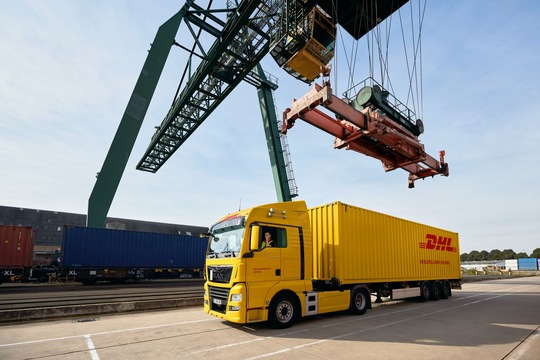
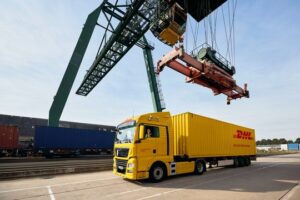
Intermodal capacity is becoming a practical resilience issue for industrial supply chains, particularly when companies need alternatives to road transport. Baltic Hub in Gdańsk is responding with two new electric rail-mounted gantry cranes that are expected to raise annual rail-siding handling capacity to 1.2 million TEUs once operational.
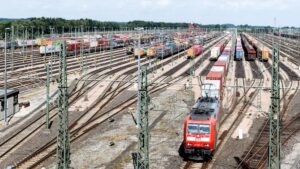
The machines will bring the terminal’s rail fleet to five and six RMG units. Its siding consists of seven tracks, each 750 metres long, with a combined length of 5.25km. The physical infrastructure gives the terminal a substantial rail interface; the new cranes add the handling capacity needed to use it more effectively.
Digital tools for a critical handover point
The cranes will use optical character recognition to identify container numbers automatically. This type of machine-assisted data capture can make the handover between maritime, rail and inland operations more consistent, while reducing the amount of routine visual checking required from operators.
The technology package also includes an anti-collision system and 11 cameras. Small spreader movements are intended to support more accurate container placement, and emergency winch brakes provide an additional safeguard. Together, these features address both throughput and controlled operation rather than treating automation as a standalone productivity tool.
The steel structures were largely manufactured in Poland, while final assembly took place at the terminal. The project therefore combines a regional industrial supply contribution with an on-site installation phase.
Capacity with a lower-emission operating profile
Baltic Hub currently handles nearly 800 trains a month, linking Poland with markets in Central and Eastern Europe such as the Czech Republic, Slovakia, Hungary and Ukraine. The additional rail capacity can give manufacturers, shippers and logistics providers more flexibility when planning longer-distance container flows.
Because the new RMGs are electric, they can support lower-emission terminal operations. The broader value lies in the combination of electrification, digital assistance and network access: together, these elements can make intermodal transport a more usable component of resilient industrial logistics.
Project details are also available from intermodalnews.eu.