Fuel data and network design become resilience tools for freight
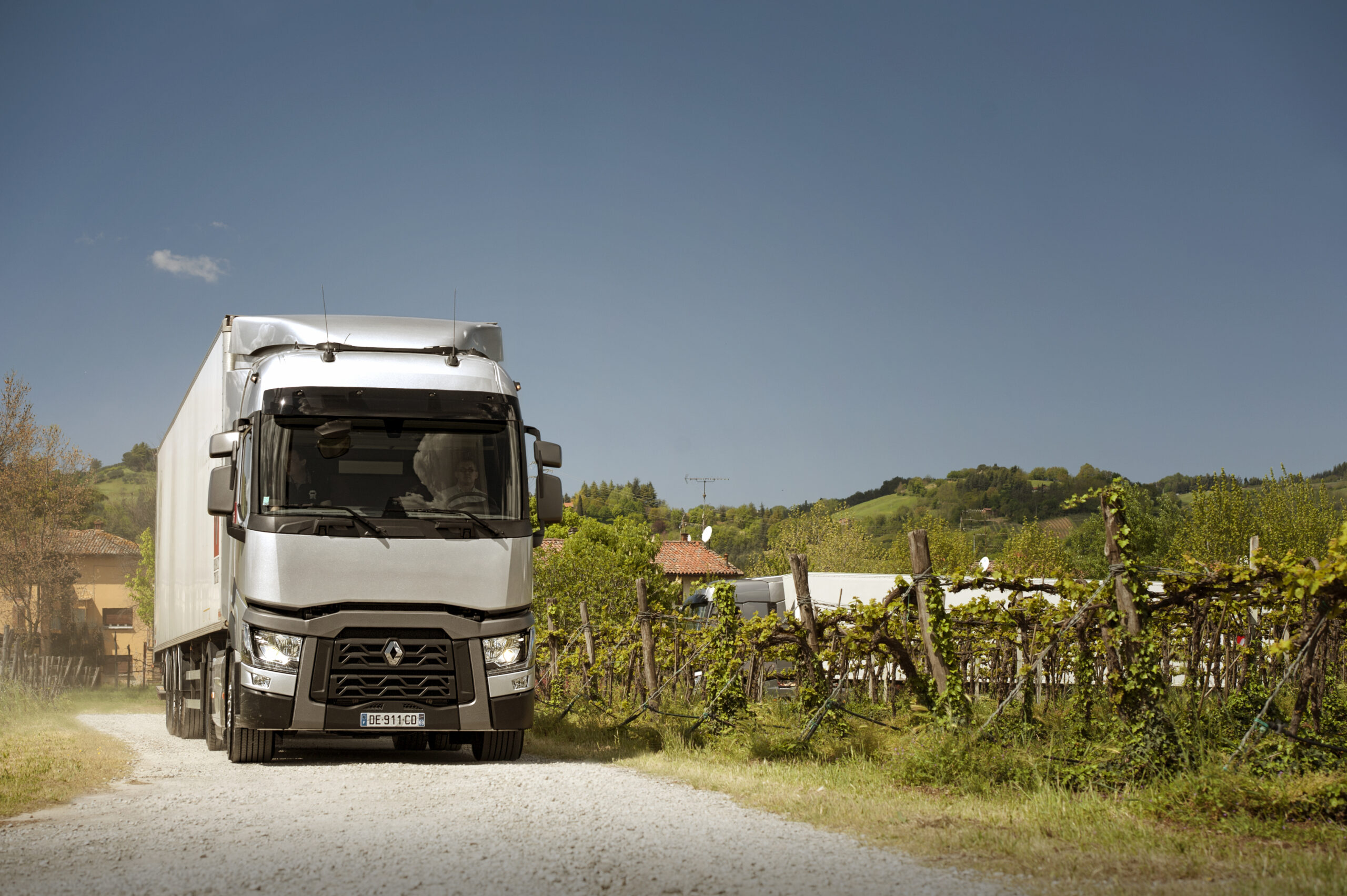
For industrial companies, higher diesel prices are becoming a test of supply-chain resilience rather than a short-term transport nuisance. Fuel represents roughly one-third of hauliers’ operating costs, and current estimates indicate an additional burden of about £300 per truck each week.
The road-freight market has little capacity to absorb the shock. According to research from the RHA, only 10% of operators can pass the full increase to customers, while 80% absorb at least some of it. Persistent increases will consequently appear in fuel surcharges and transport rates.
Digitalisation targets avoidable consumption
Ryan Yu, vice president of product at Samsara, says operators are examining the complete fuel picture, including route planning, station selection, idling, driver behaviour and fraud. Samsara reports that it has identified $2 billion in potentially recoverable fuel spend in the US. The lesson for industrial fleets is that efficiency depends not only on vehicle technology, but also on the quality of operational decisions.
Fuel is increasingly managed as a weekly financial KPI. Telematics can give transport managers a shared view of consumption, vehicle utilisation and route performance, allowing exceptions to be addressed before they become a month-end variance. This creates a practical bridge between digitalisation and cost resilience.
Resilience requires network choices
Electrification can support decarbonisation, but it must be matched to infrastructure and duty cycles. Full fleet replacement demands significant capital, and unreliable charging on key routes can undermine the business case. Controlled pilots on suitable lanes provide a lower-risk way to test operating models, charging access and total cost.
Industrial shippers should also review how freight is configured. Consolidating compatible loads reduces empty capacity, while rail or multimodal services can lower diesel dependence where lead times and network access allow. For UK-EU flows, the full journey matters: ferry operators face energy pressures too, and war-risk charges from shipping lines and marine insurers add further cost.
The most robust response is therefore a combination of measurement, better planning and selective technology adoption. Waiting for fuel prices to normalise leaves companies exposed if the higher baseline persists.