Digital customs readiness becomes an Industry 5.0 capability
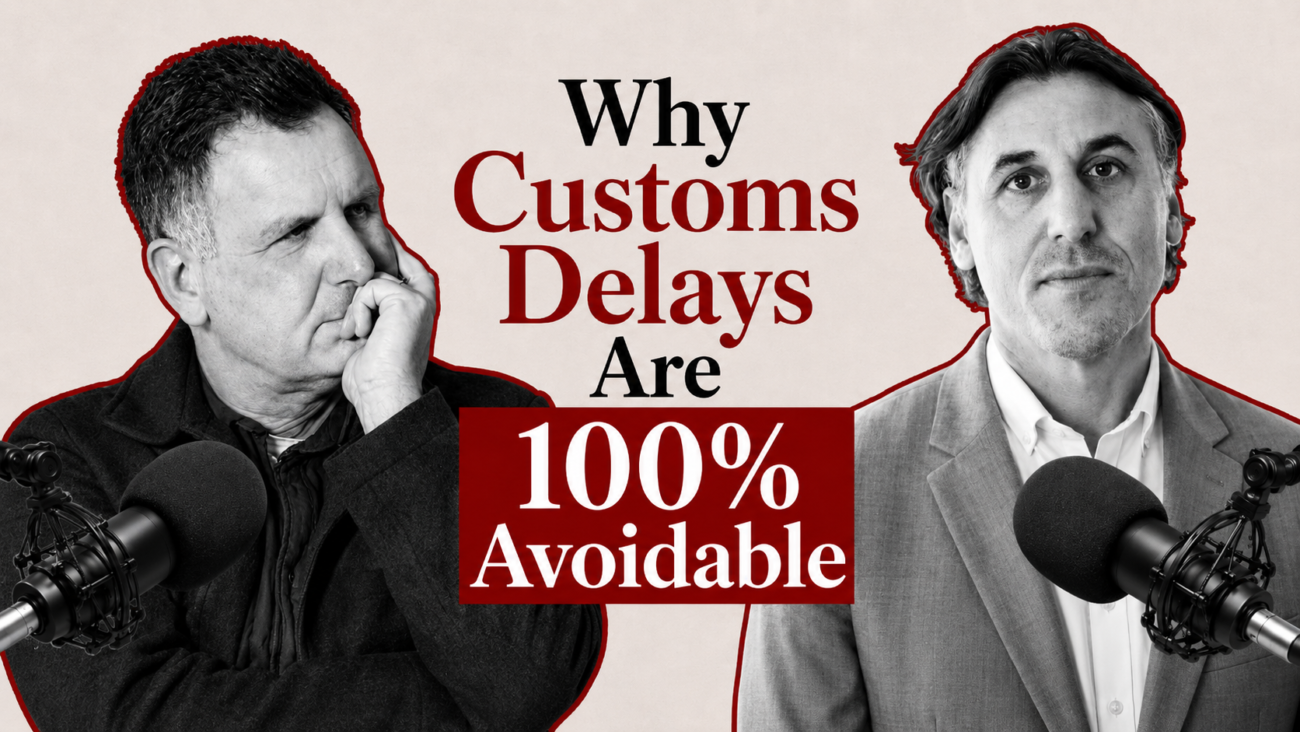
Industry 5.0 discussions often focus on resilient, human-centred production. That resilience does not stop at the factory gate. For companies operating international supply chains, the ability to prepare accurate customs information can determine whether materials continue moving or become unavailable at the border.
Patrick Frith of Avalara argues that customs delays are frequently preventable. The most effective intervention comes before dispatch, when a company can still correct the information supporting its declaration.
Resilience starts with product information
HS classification, country of origin and declared value are not minor administrative fields. They influence duty exposure and may determine whether authorities seek further clarification. An unexpected tariff can erode margins, while an incorrect classification can create both delay and broader compliance risk.
For manufacturers, the consequences can move quickly through the operating model. A held component may affect production sequencing; a delayed finished product can reduce customer availability. Preventive customs work therefore supports continuity in addition to regulatory compliance.
Automation with people in control
Automation and AI can strengthen this process by assisting product classification, checking related data and monitoring changes to tariffs and regulations. With millions of updates across global markets, continuous manual observation is difficult to sustain.
The industrial value is not simply faster paperwork. Digital tools can create a more consistent connection between engineering, procurement, logistics and compliance teams. Specialists remain essential for interpretation and exception handling, while software helps surface routine discrepancies earlier.
As geopolitical volatility reshapes trade lanes, this combination of human oversight and machine-supported preparation can improve operational resilience. It will not remove every external disruption, but it can prevent avoidable delays caused by incomplete or inaccurate shipment data.