Digital yard control strengthens resilience at automotive site
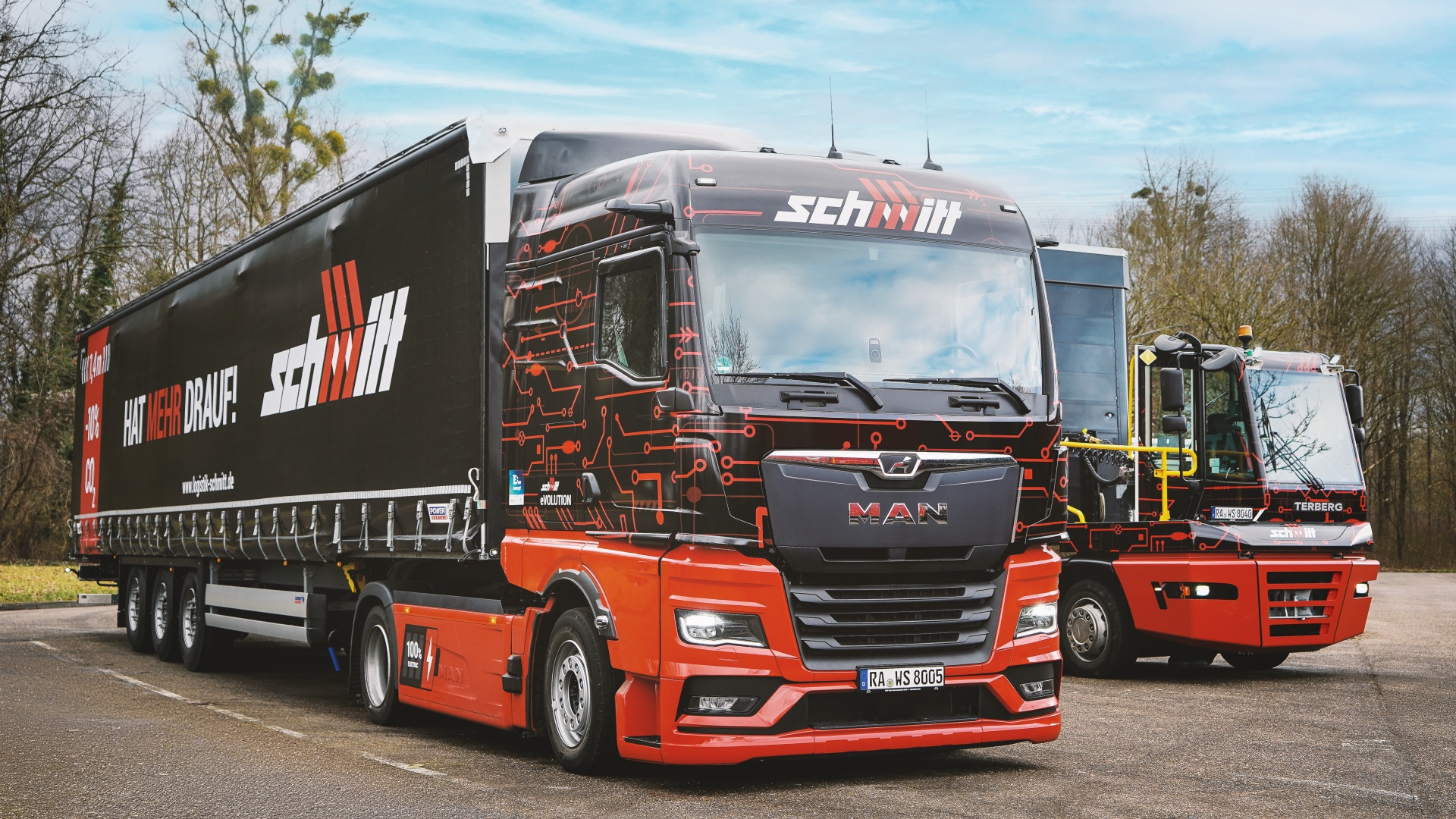
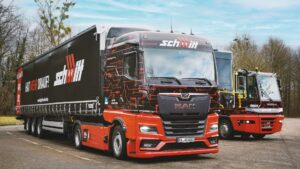
For manufacturing sites, the yard is more than a parking area: it is the physical boundary where suppliers, carriers and production schedules must align. Logistik Schmitt is addressing that interface with the deployment of the cloud-native Infios Yard platform at its Rastatt operation.
The German logistics specialist manages around 450 daily trailer and swap-body movements at the site, which has 150 gates and is located on the premises of a car manufacturer. The new Yard Management System provides real-time visibility of inbound and outbound traffic and supports the allocation of arrival slots.
Reducing uncertainty at the factory gate
Infios Yard coordinates traffic between staging areas, loading docks and local suppliers. By giving operators a shared view of vehicle movements, the system is intended to reduce waiting, improve process stability and make exceptions easier to manage. These capabilities matter in production environments where a delayed or misplaced load can disrupt tightly sequenced material supply.
Logistik Schmitt also receives a tailored self-service function for dock management. The company can operate gate processes directly, including when external service providers are involved. This supports clearer accountability across the transport network and reduces dependence on manual coordination at a busy site.
Modularity for changing production models
The Rastatt project forms part of a broader relationship with Infios. At other locations, Logistik Schmitt uses Infios Warehouse Management to handle production-synchronous logistics for engines, transmissions and axles. The system supports just-in-time and just-in-sequence deliveries, replenishment and sequencing across sites, suppliers and manufacturing partners.
The two applications illustrate a pragmatic route to industrial digitalisation. Yard management focuses on the external flow of transport assets, while warehouse management coordinates material inside the operation. Separating these functions can help companies target a constraint without forcing a wholesale replacement of their logistics IT.
That flexibility is increasingly relevant as automotive production evolves. Logistik Schmitt expects the collaboration to support further operational improvements amid the additional complexity associated with vehicle electrification and new production models. The company, headquartered in Bietigheim, provides transport and contract logistics services for demanding manufacturing environments.