Right-sized packaging turns carton production into a data-led process
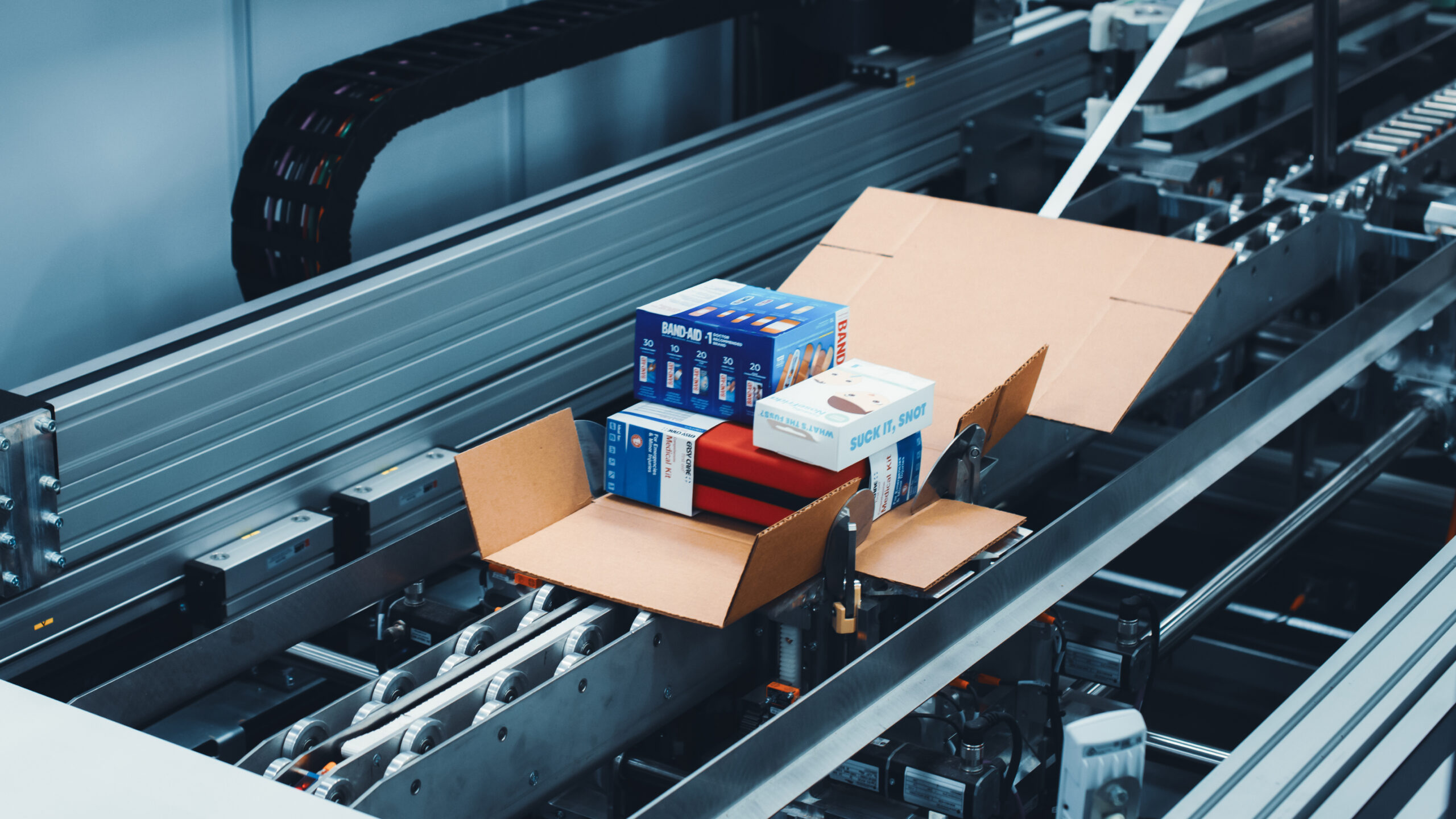
Packaging is becoming an active layer of industrial automation. Rather than choosing a carton from a fixed catalogue, right-sizing equipment uses order or product data to create a corrugated package around the actual contents. The result is a closer connection between warehouse execution, material consumption and outbound transport.
Automation with measurable resource effects
Packsize has developed on-demand cutting and folding systems since 2002. Its technology is available in two basic configurations. Box-first systems produce the carton before the products are packed, while box-last systems form the package around products inducted onto a conveyor. Semi-automated and fully automated options allow operators to match the installation to throughput and product requirements.
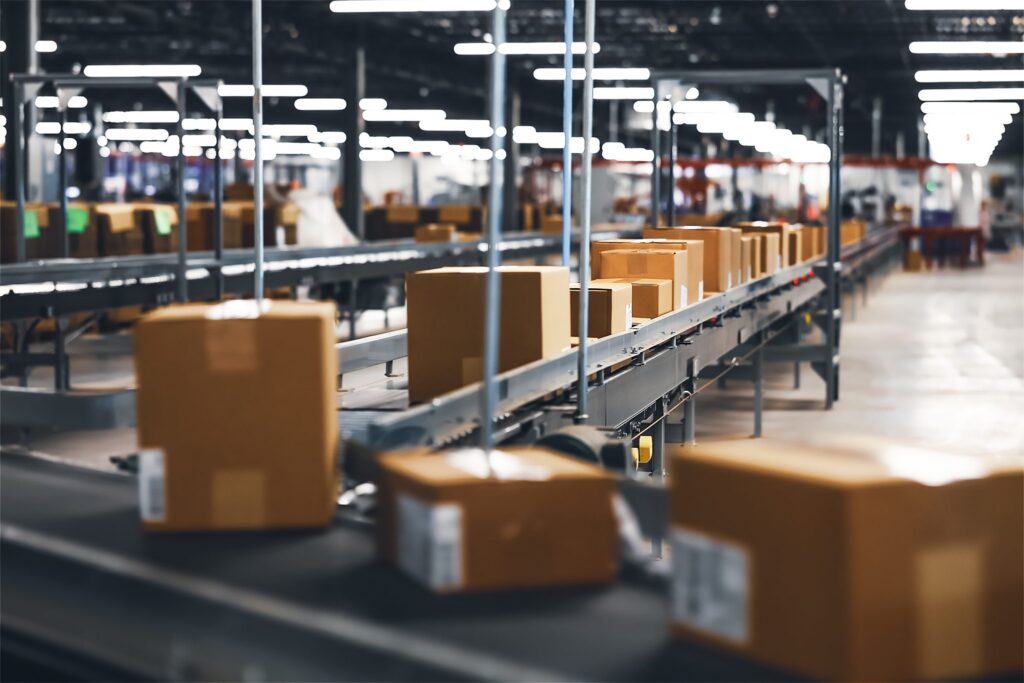
Dimensions may be received from a warehouse management system or established by scanning or otherwise determining the inducted goods. This reduces manual decisions at the packing station and makes the process more repeatable. Packsize says fully automated systems can deliver output equivalent to about 20 manual packing stations, subject to the customer’s order profile and existing operation.
The company reports average savings of approximately 30% in corrugated material, package-volume reductions of up to 40% and about 80% less void fill. These effects have implications beyond packaging cost: smaller packages can improve vehicle utilisation, reduce unnecessary transport capacity and lower the amount of material handled throughout the operation.
Flexible production for changing demand
Variable printing extends the model into customisation. A single run can contain cartons with different dimensions and individual graphics, allowing brands to support a more distinctive unboxing experience. For 3PL providers, digital templates can be changed to serve multiple customers and sectors without relying on separate inventories of pre-printed cartons.
Packsize’s expansion is intended to support this wider technology proposition. The company moved its European headquarters to Amsterdam, acquired Sparck Technologies in 2025 and plans to purchase Panotec’s packaging business in Italy.
One SME customer handling about 1,200 parcels per day reportedly redistributed eight employees after adopting the technology and is projected to recover its investment in two years. Packsize describes two to five years as a typical payback range. The company works on both brownfield integrations and greenfield projects, where packaging can be designed alongside conveyors, storage and other material-flow systems.
For Industry 5.0 programmes, the significance is practical: automation does not only replace a manual task. It uses digital information to reduce resource waste while giving operators a more adaptable production and fulfilment process.
More information is available from Packsize.