Freight decarbonisation depends on operational intelligence, not targets alone
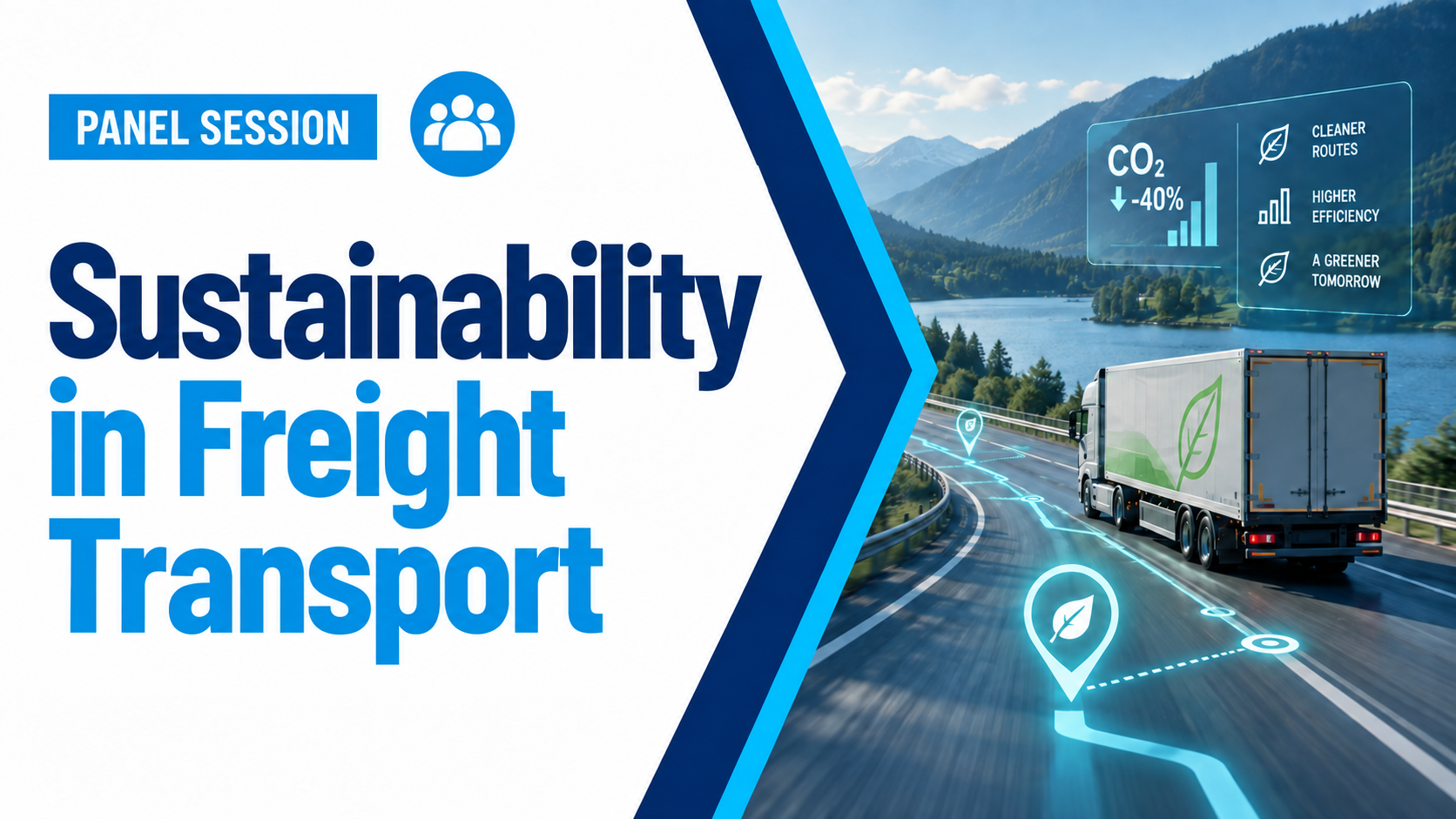
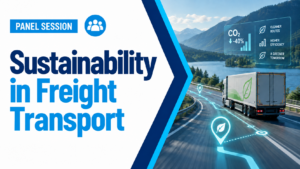
Decarbonising freight transport is not only a question of adopting new vehicles or setting environmental targets. It also depends on how effectively companies plan journeys, use capacity and convert operational information into better decisions. That was a central theme of a panel examining practical sustainability measures across transport and logistics.
Mat Jobson of Europa, Tyler Chaffo of Blue Yonder and Chris Ashley of the RHA joined Peter MacLeod, editor of Logistics Business, for the discussion. Their analysis focused on the tension many operators face: reducing emissions while maintaining service levels, productivity and commercial resilience.
Digital visibility as an industrial capability
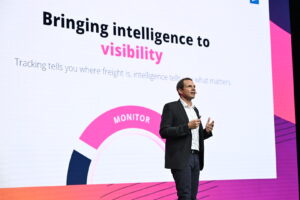
The panel highlighted the need to locate emissions hotspots before selecting interventions. Unnecessary miles, inefficient routing and weak utilisation can all increase the environmental cost of a transport operation. Reliable data provides the visibility needed to distinguish structural problems from isolated events and to measure whether corrective action works.
For industrial companies, this creates a direct link between digitalisation and sustainability. Planning systems can support more effective routing and resource allocation, while better operational decisions can reduce waste without requiring a compromise in customer service. The value of automation lies in making these decisions more consistent and responsive.
From ESG reporting to continuous improvement
Growing ESG expectations are making data quality a strategic issue. Emissions information must be credible enough for reporting, but also useful to dispatchers, planners and managers responsible for daily performance. When sustainability data feeds back into scheduling and transport control, environmental improvement becomes part of continuous operational improvement.
The on-demand panel provides a practical discussion of how freight businesses can combine transparency, efficiency and lower emissions. Its message is relevant to Industry 5.0: technology should strengthen human decision-making and organisational resilience rather than operate as a disconnected compliance layer.