Consumer technology is creating an Industry 5.0 challenge for retail logistics: fulfilment must become faster and more responsive without losing control of cost, resources or service quality. Research among more than 2,000 UK adults highlights how AI, wearable devices, marketplaces and drones could reshape the signals that supply chains use to plan and execute orders.
Digital demand requires operational resilience
AI shopping remains at an early stage. Sixty-two percent of online shoppers surveyed had never used AI product recommendations, while 21% had seen such recommendations but had not purchased the items. The current figures suggest limited adoption, but they also show why resilience matters. If automated tools begin directing consumers towards particular products, demand may move faster than conventional forecasting and replenishment processes can handle.

Smart glasses present a similar issue. Nearly two-thirds of adults aged 18–34 said they would be likely to shop using them. A product seen in the physical world could potentially be ordered immediately in a preferred size, colour or specification. This model makes real-time inventory accuracy essential and shifts part of the customer experience into fulfilment: packaging, personalisation, delivery and returns all become visible measures of performance.
Automation must support, not complicate, the network
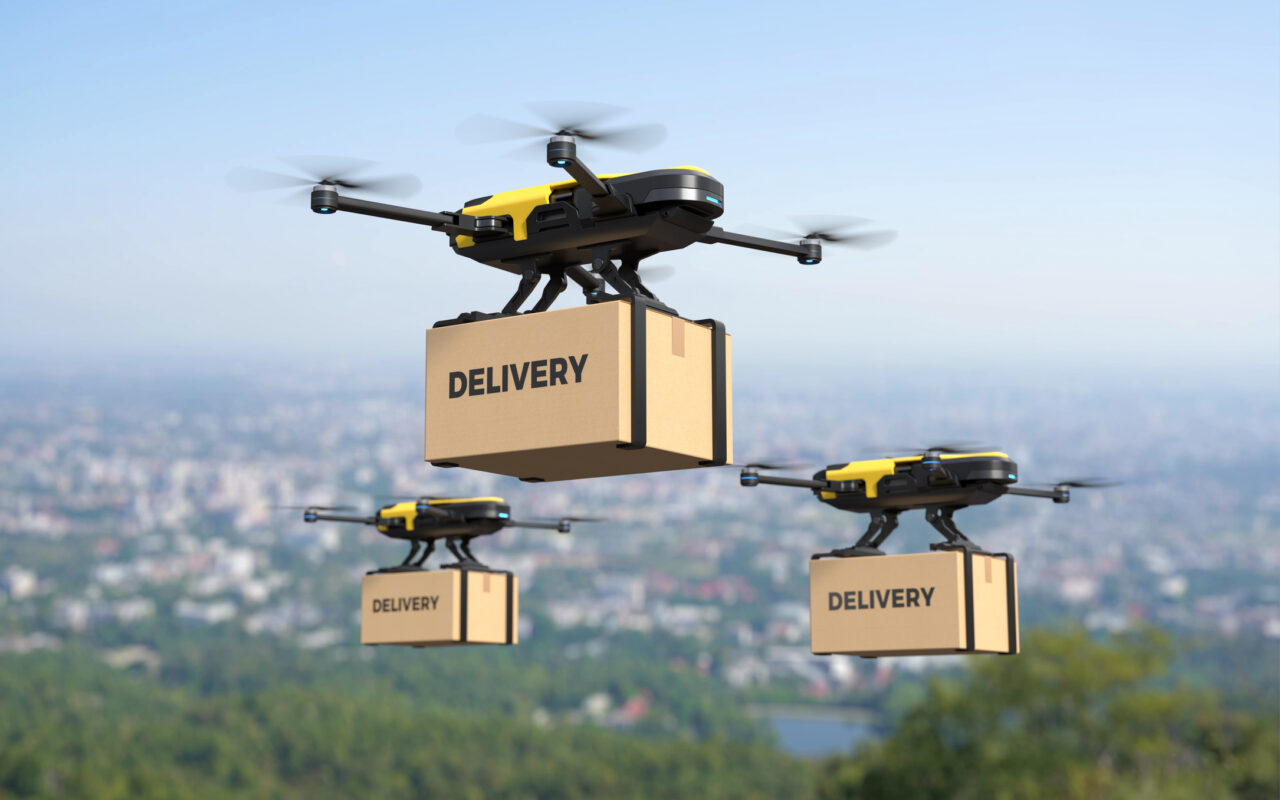
Marketplaces are another structural change. Three in ten respondents said they were more likely to use them than a retailer’s or brand’s website over the next year. Drone delivery is also influencing service expectations, with 30% believing it will make waits longer than 24 hours unacceptable. The proportion rises to 45% among 18–24-year-olds and 40% among 25–34-year-olds.
Live commerce shows that adoption is not uniform. Although platforms can generate strong sales, 64% of online consumers have never watched a live shopping stream. Among those who have bought through streams, 52% identify limited-time offers and fear of missing out as the main motivations.

For Industry 5.0 operators, the response should be connected rather than purely faster. Demand sensing, inventory systems, warehouse automation and delivery planning need to work from a common operational picture. That can improve responsiveness while avoiding additional handling, energy use and process complexity that do not contribute to customer value.