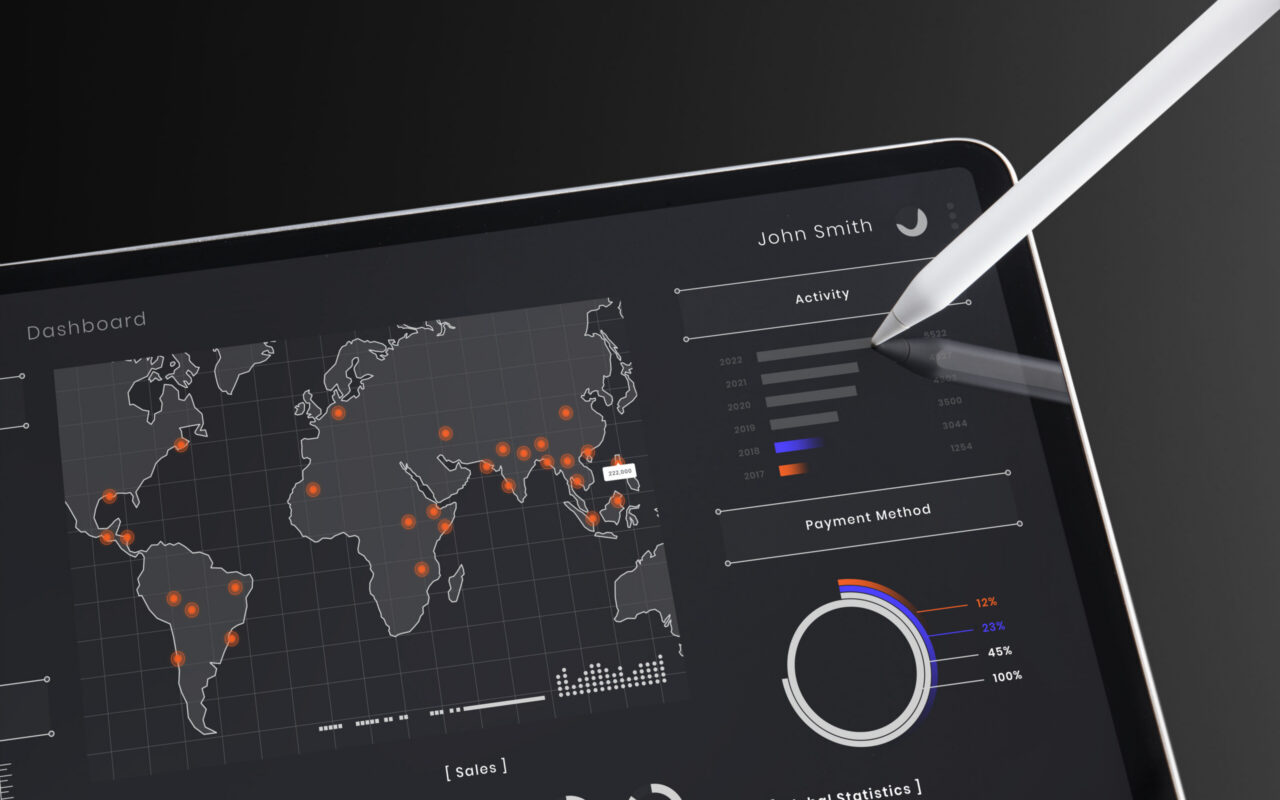
Industrial companies are looking for ways to use AI without losing control over the data and definitions behind operational decisions. A new integration between project44 and Snowflake addresses that challenge by connecting Mo, project44’s AI supply chain analyst, with Snowflake Cortex AI.
Mo allows users to ask questions in plain language, but its role extends beyond conversation. Its agent framework determines what a question means for a particular customer, retrieves the relevant records and can propose a practical response. That architecture is intended to support decisions where an inaccurate answer could increase transport costs, delay production or tie up working capital.
Business definitions shape the answer
Supply chain metrics are often less standardised than their names suggest. On-time performance may be calculated from cargo readiness or pickup, while contracts, modes and exceptions can further alter the result. Mo applies project44’s logistics ontology and semantics to these customer-specific requirements.
The system draws on approximately 1 trillion shipment records gathered over the last decade, alongside live milestones and predictive ETAs. Cortex Analyst translates the interpreted request into SQL and retrieves the figures from project44 data in Snowflake. More information is available from project44’s Mo platform.
Operational resilience through accessible analysis
In internal testing, Mo answered all 10 verified questions accurately, while a general-purpose large language model answered two. Mo was consistent across 10 repetitions and responded 2.5 times faster. Project44 says 210 customers use the system and that it has answered more than 50,000 questions.
The reported business outcomes illustrate where the technology may matter. One enterprise customer reduced detention and demurrage exposure by $6 million. Another identified $200,000 in working capital through a single question, while a disruption-management initiative produced nearly $750,000 in savings. Faster access to reliable signals can help industrial organisations focus scarce attention on the exceptions most likely to affect service, cost and continuity.
That wider distribution of analysis is also relevant to Industry 5.0: AI supports people making decisions rather than replacing the operational context they bring. By combining a logistics-specific data model with governed retrieval, the integration aims to make digitalisation more usable at the point where supply chain choices are made.