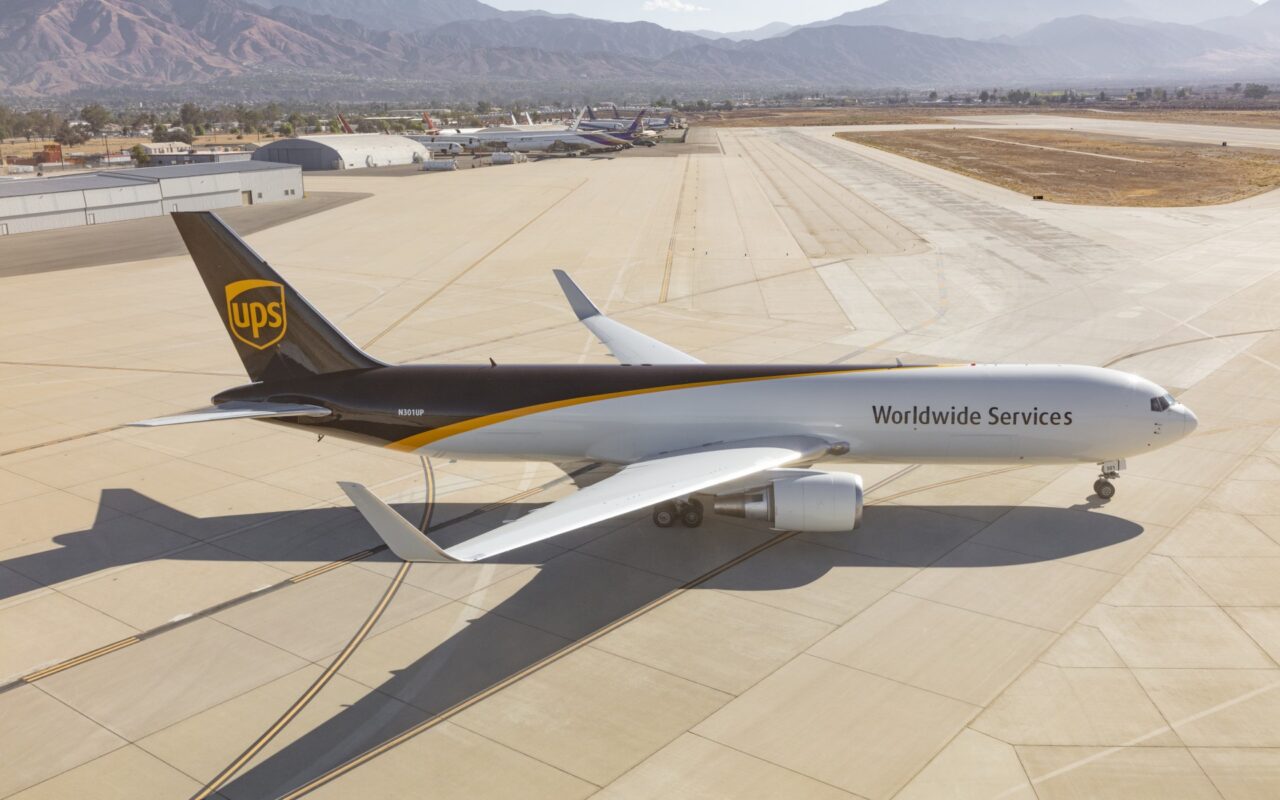
Industry 5.0 places resilience, sustainability and human capability alongside productivity. That perspective is increasingly relevant to supply chains, which were traditionally configured around efficiency, low cost and predictable flows. Today, industrial businesses must operate through changing trade conditions, geopolitical uncertainty and fluctuating customer requirements.
The practical answer is not to abandon efficiency, but to add the ability to adapt. Manufacturers are reconsidering sourcing and production footprints, with nearshoring advancing in parts of Europe. Trade connections into Central and Eastern Europe are growing, while Middle Eastern hubs are developing their role between Asia, Europe and Africa.

Digitalisation needs a human operating model
AI and predictive analytics can bring together data from transport, inventory, customs and operational systems. This can reveal an emerging delay or disruption before it reaches the customer. Yet prediction only creates value when the organisation can respond. A dashboard warning about weather or a customs issue is insufficient if teams lack alternative capacity, decision rights or specialist knowledge.
For a time-critical healthcare shipment, the important step is moving from risk detection to an executable contingency plan. That requires people who understand the network and technology that helps them assess options quickly. UPS says it applies AI and advanced analytics in route planning, customs, network management and customer visibility, using digital tools to complement operational expertise.
Resilience and sustainability can reinforce each other
Better planning may reduce unnecessary inventory, avoid inefficient movements and improve the use of network capacity. These effects can support cost control and service reliability while also contributing to sustainability objectives. The key is to treat resilience as an operating capability rather than as a separate emergency function.
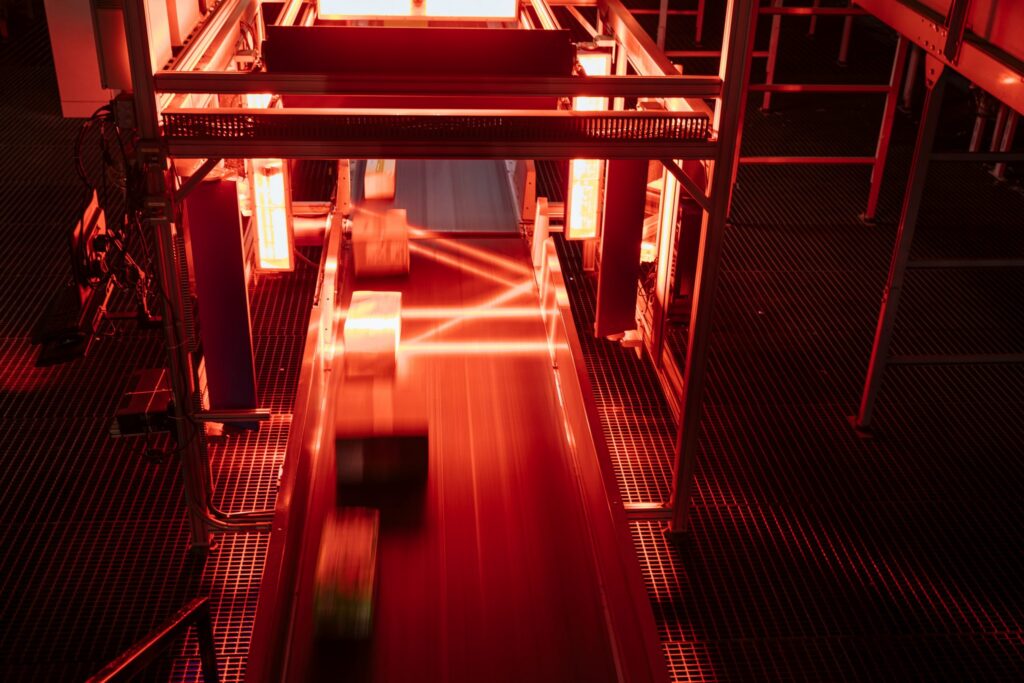
For industrial leaders, this means connecting automation with flexible suppliers, regional options, trusted logistics partners and trained decision-makers. A supply chain built for change can maintain customer service while conditions move around it. It also gives companies greater confidence to enter markets, adjust production and grow without assuming that uncertainty will disappear.