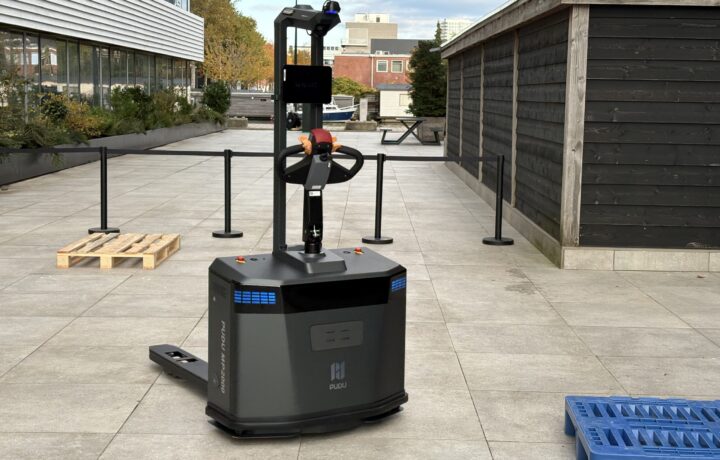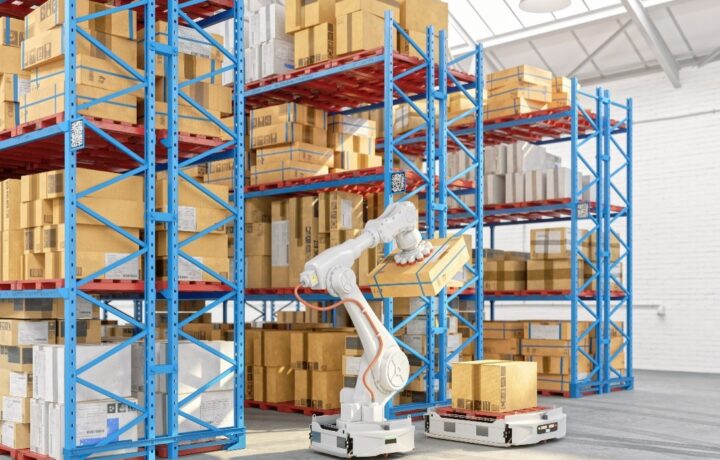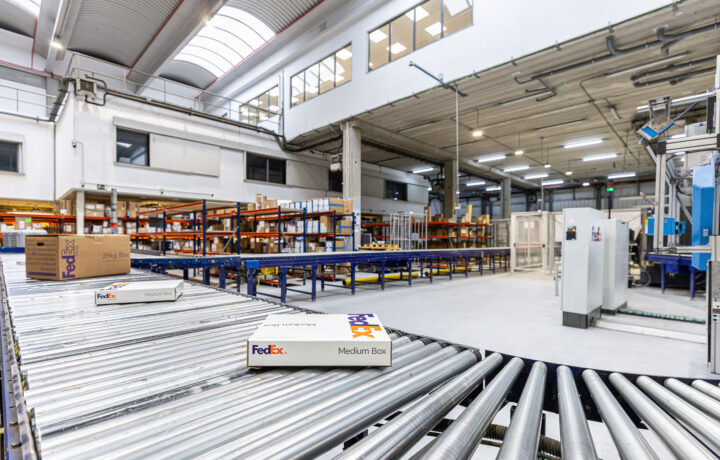
Industry 5.0 thinking is particularly relevant to warehouse safety because automation does not remove people from the operating environment. It changes the way people, mobile equipment and infrastructure interact. As facilities add automated vehicles and intelligent systems, safe design must remain human-centred and resilient to unexpected events.
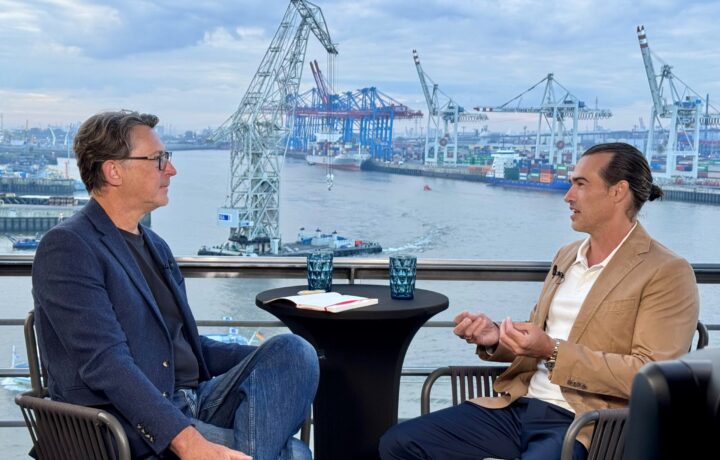
Jim Ryan, founder of Sentry Protection Products, expects automation to arrive progressively, with individual functions changing over time rather than an immediate shift to fully autonomous operations. He discussed that transition in Logistics Business Conversations.
Digital signals, physical boundaries
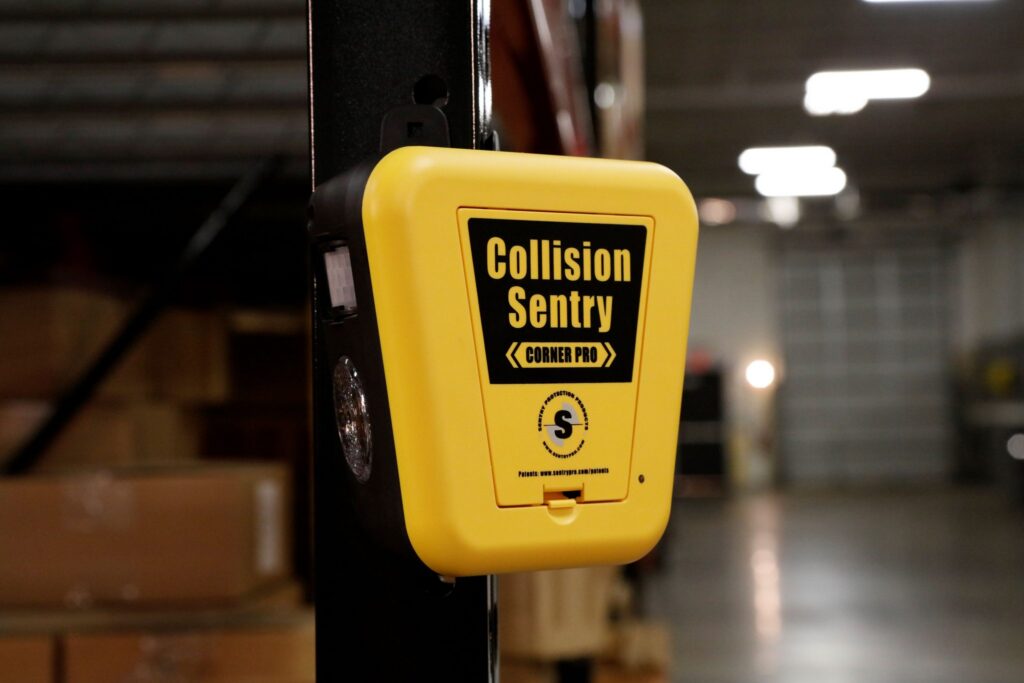
Blind corners illustrate why digitalisation cannot stand alone. Racking, tall loads and building geometry can prevent operators from seeing approaching traffic. Traditional controls include dedicated routes, mirrors, warning signs, horns and stop procedures. Sensor-based systems can add another layer by identifying movement on both sides of an aisle.
Collision Sentry, developed by Sentry, activates lights and an audible warning when activity in both directions indicates a possible conflict. Its selective approach is intended to preserve the meaning of an alarm. If every routine movement produces a warning, people may stop responding to it. Used properly, targeted information can support better decisions without encouraging faster driving or replacing traffic management.
Resilience after an impact
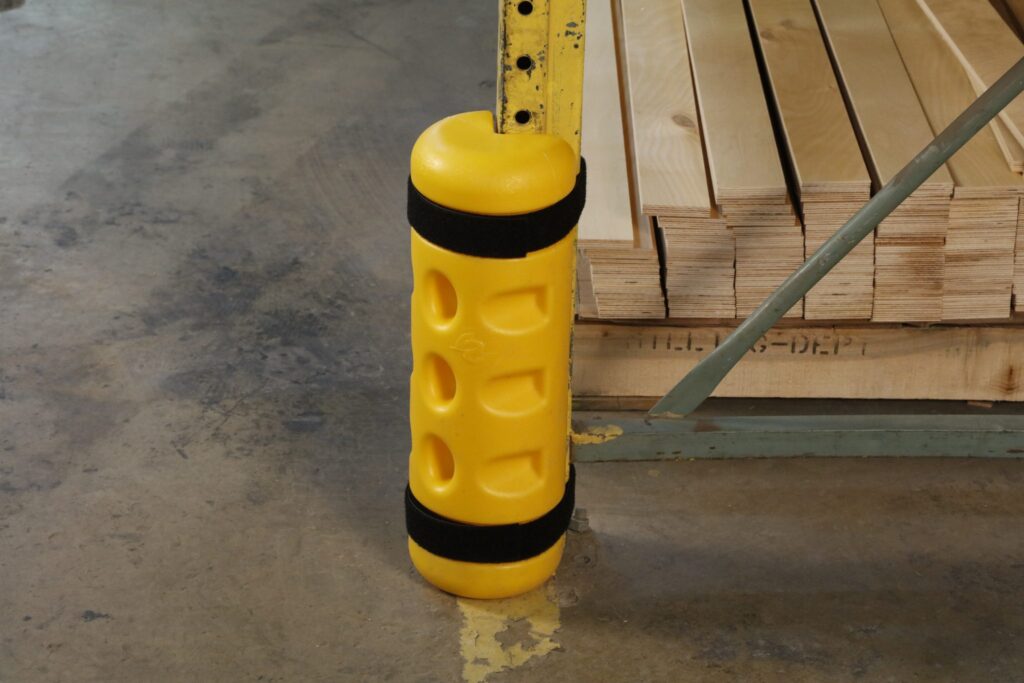
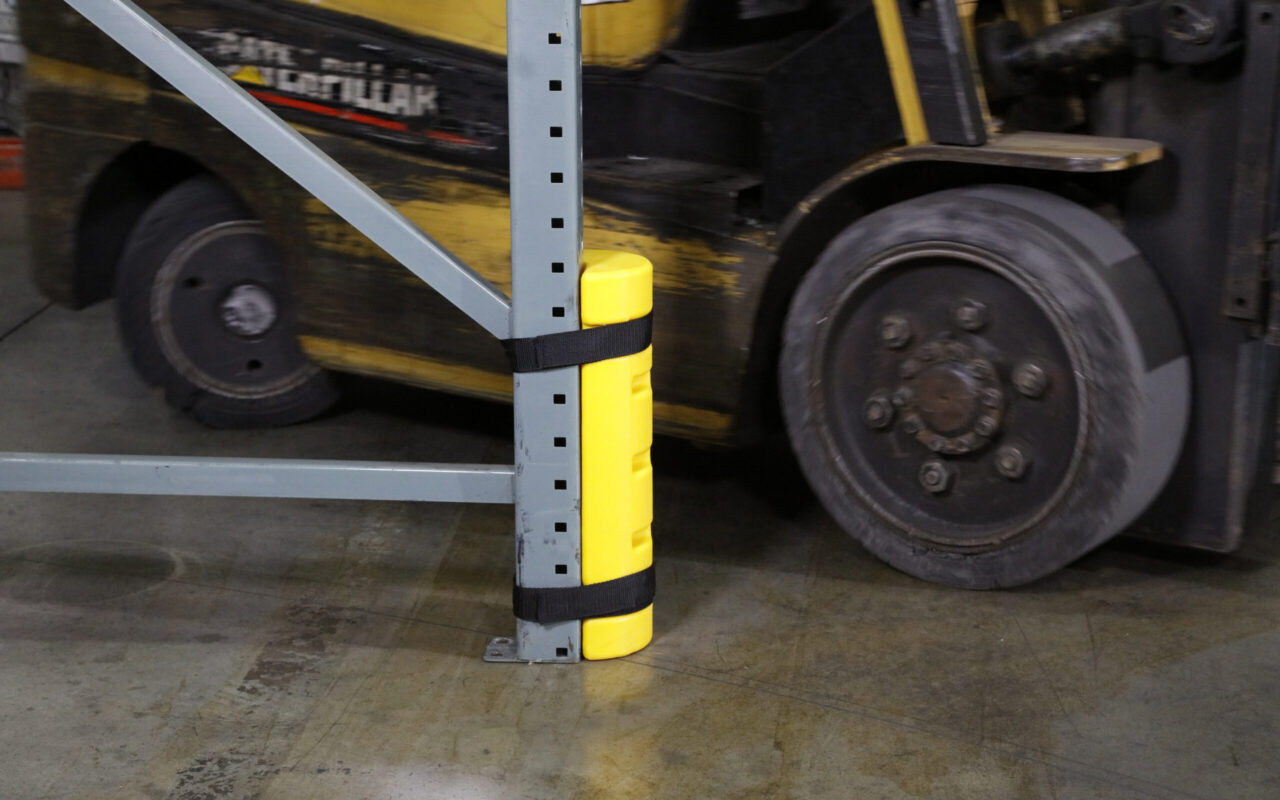
Industry 5.0 also implies designing for recovery, not only prevention. Forklift impacts can damage columns and rack uprights even when the visible consequences appear minor. Flexible protection can deform under load, absorbing energy and increasing the time over which the vehicle slows. The design challenge is to find the right balance: an overly rigid protector transfers force, while an excessively soft one may not protect the structure.
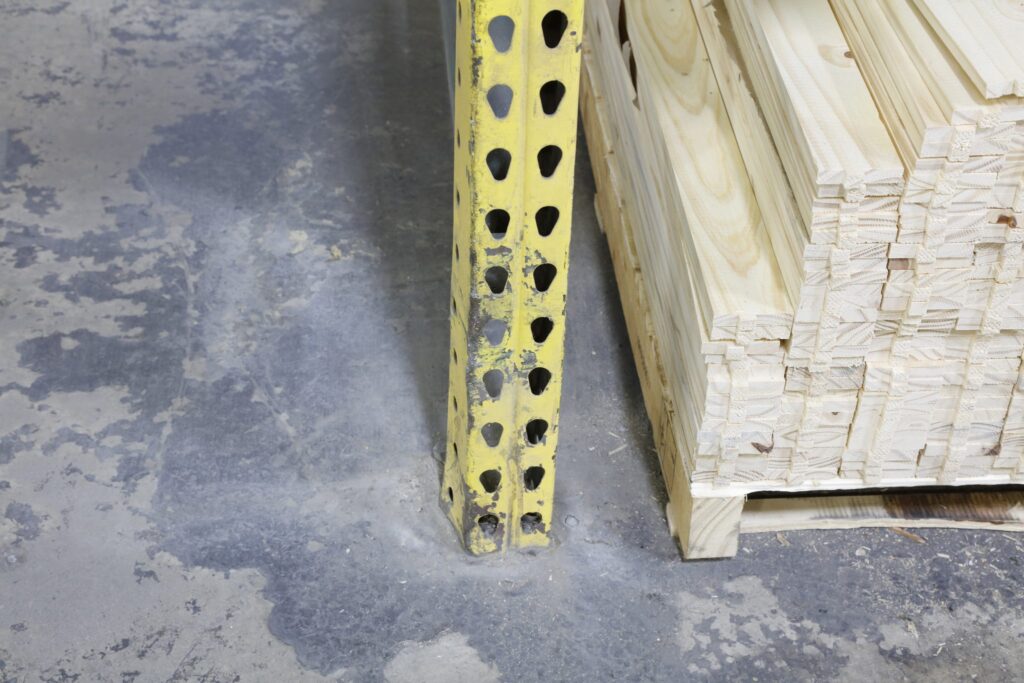
Reusable protection is valuable because repeated low-level contact is possible in busy facilities. Nevertheless, racking must be inspected after an incident; guards reduce risk but do not certify structural integrity. Damaged areas may need assessment and temporary removal from service, creating operational consequences beyond the repair itself.
The practical lesson is that automation should be understandable, incremental and integrated with pedestrian segregation, training and inspection routines. A resilient warehouse is not defined solely by throughput. It is one that uses technology to support human judgement, protects its physical assets and can continue operating safely when conditions depart from the plan.