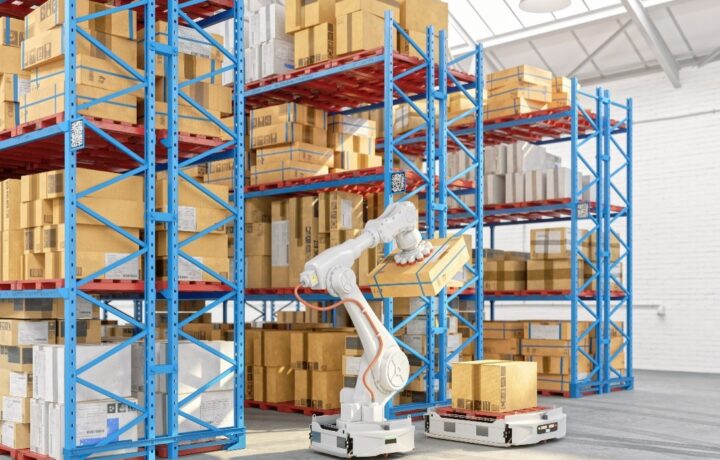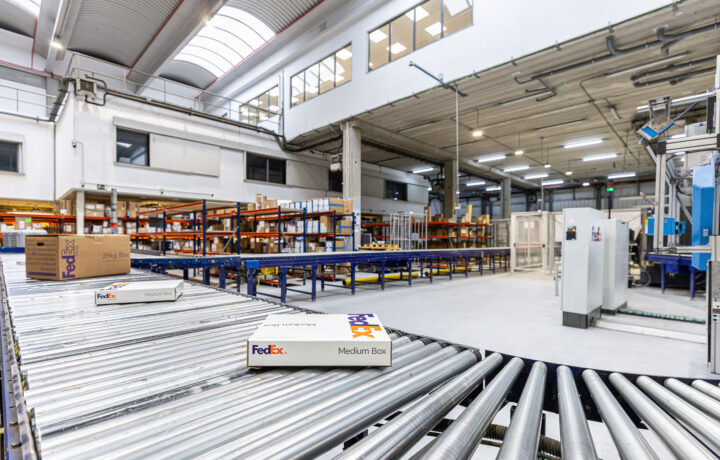
The next phase of industrial robotics may depend as much on deployment economics as on mechanical capability. Pudu Robotics is addressing that challenge with a strategy that places a shared AI foundation behind multiple robot forms, from specialised logistics machines to semi-humanoid and humanoid platforms.
A practical route into automation
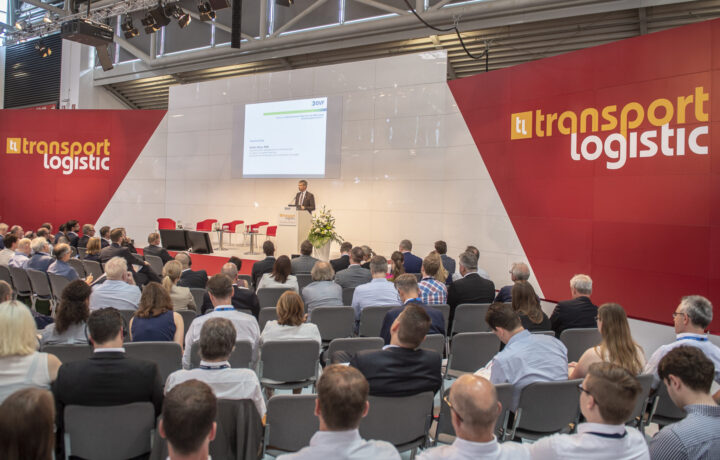
At its first European Partner Summit in Amsterdam, the company presented “One Brain, Multiple Embodiments” and a six-part product ecosystem covering industrial, cleaning, delivery, home, outdoor and embodied robotics. The model is intended to let software capabilities be reused while hardware remains designed for a defined operating environment.
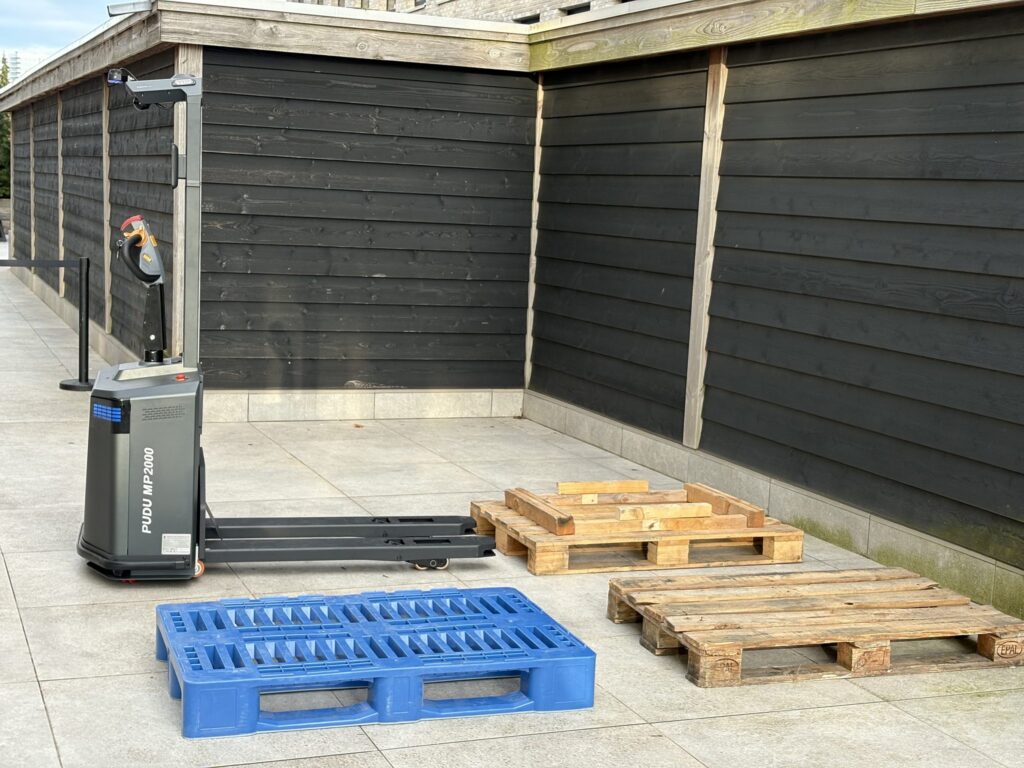
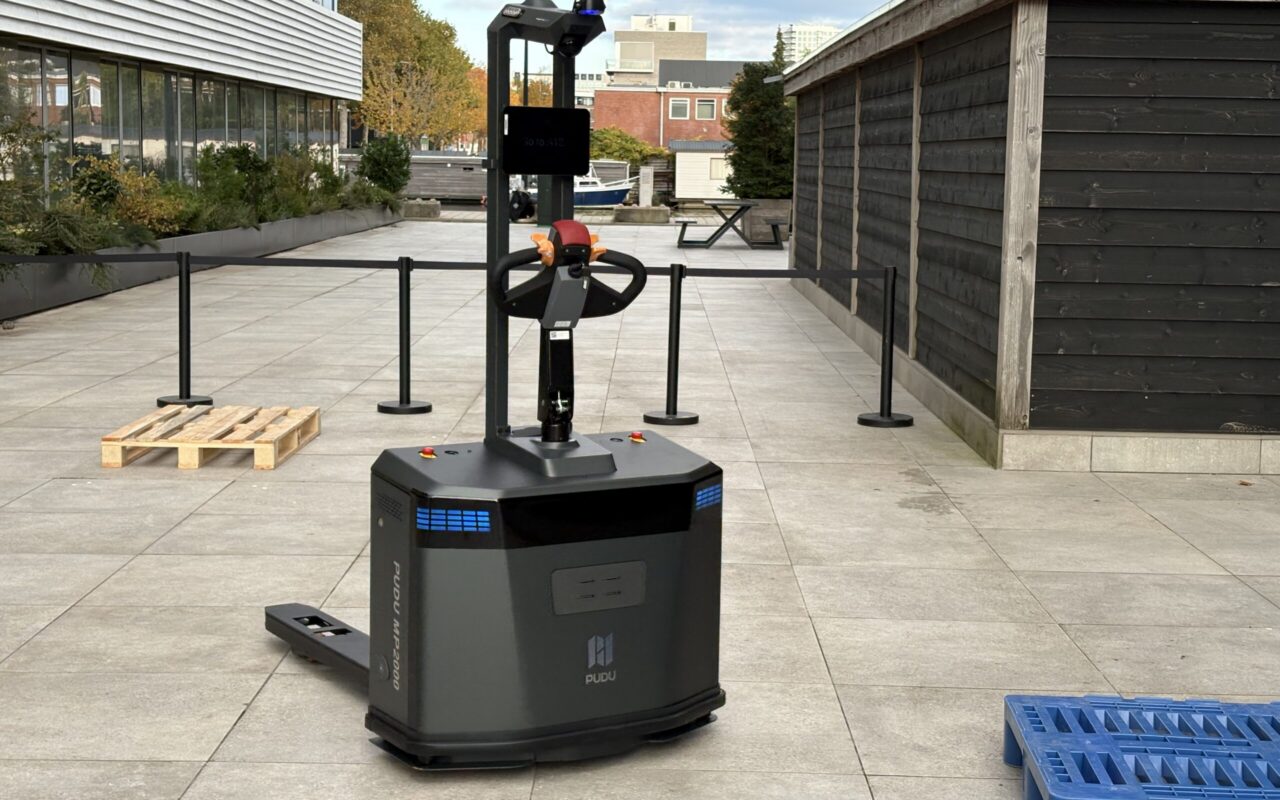
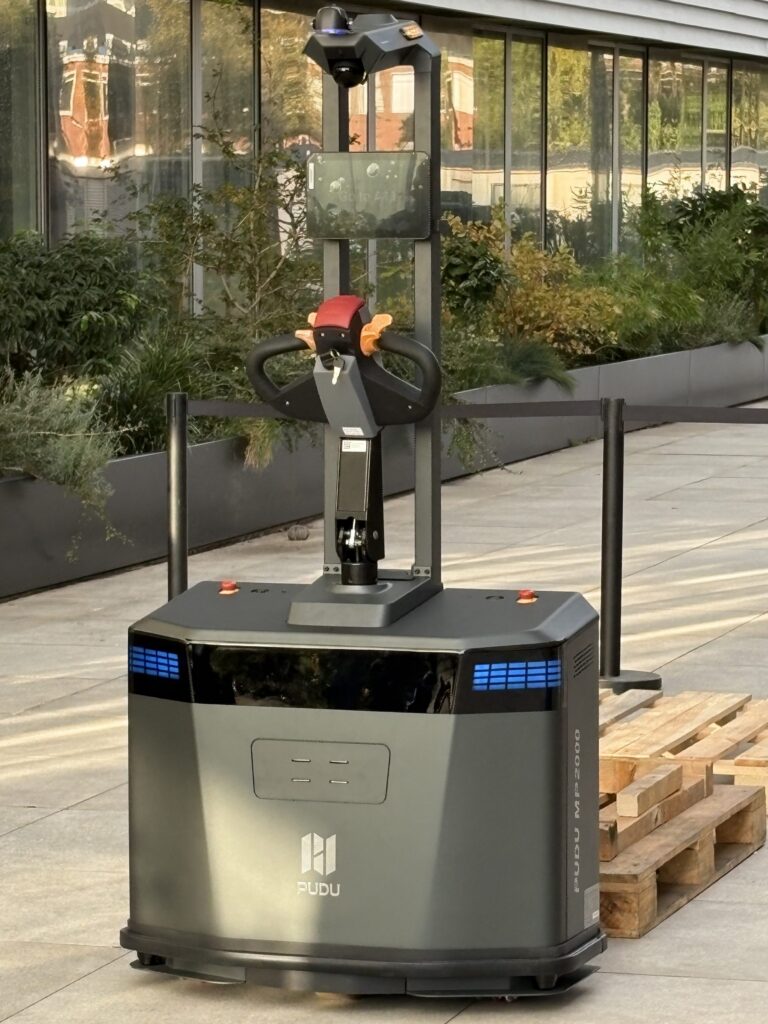
For industrial operators, the immediate applications are tangible. The MP2000 autonomous pallet-handling robot carries up to 2,000kg and combines load-carrier recognition with adaptive fork positioning. Its fork insertion cycle is specified at around 20 seconds. The machine is aimed at manufacturing, warehousing and logistics operations where reliable movement of goods can reduce repetitive manual work.
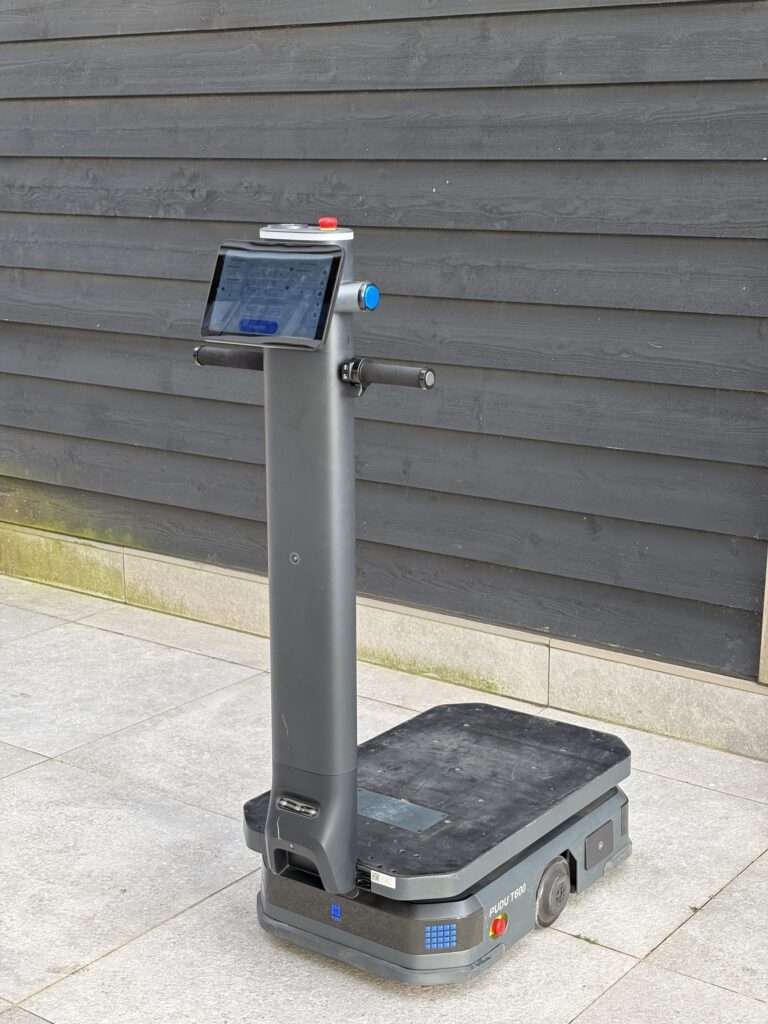
The T150, T300 and T600 address lighter internal deliveries. Their differing lift capacities, die-cast one-piece construction and available attachments support a range of workflows, while continuous operation can help facilities make better use of automated transport assets. Pudu’s teams develop APIs during deployment, allowing integration to reflect customer requirements rather than forcing every site into an identical template.
Scaling beyond a single use case
Pudu generally starts with pilots. This gives customers an opportunity to test process fit, safety and operational value before committing to broader automation. The industrial robots are sold through dealers and integrators, and the company is looking for more partners—an important condition if regional deployments are to expand without relying solely on direct implementation.
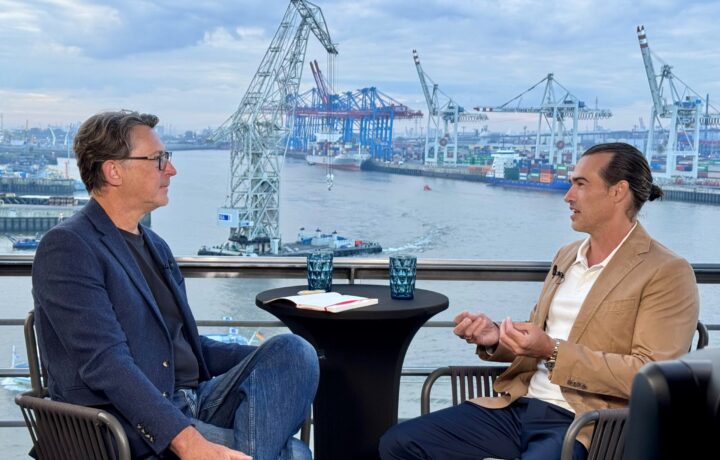
CEO Felix Zhang places specialised robots at one end of the market and more human-like machines at the other. Semi-humanoids, including Flashbot Arm, occupy the middle ground. Specialised equipment is likely to remain cheaper for repetitive work, while humanoid systems could eventually handle a wider range of everyday tasks.
Pudu cites DHL, Kuehne+Nagel and Shaoke Logistics among its logistics customers and says Europe is its largest market. It has secured $400m in investor funding. The sustainability case is not automatic: benefits will depend on useful utilisation, integration quality and the ability to extend deployments rather than replace one isolated pilot with another. Social acceptance will also matter as robots work closer to people; Zhang says household humanoids may need to fall below $10,000 for widespread adoption.