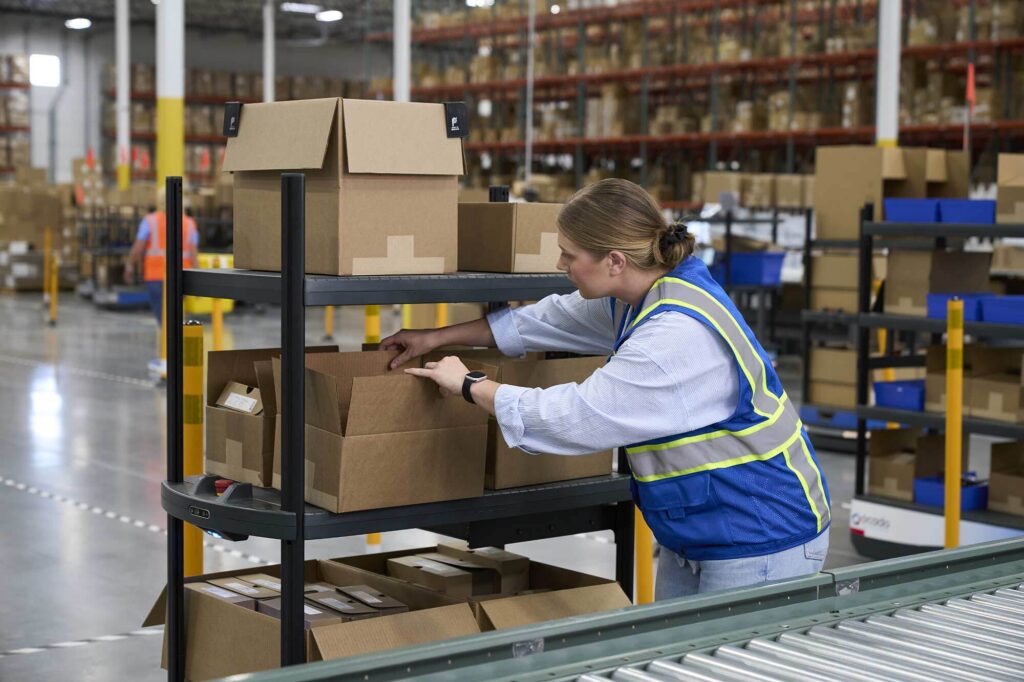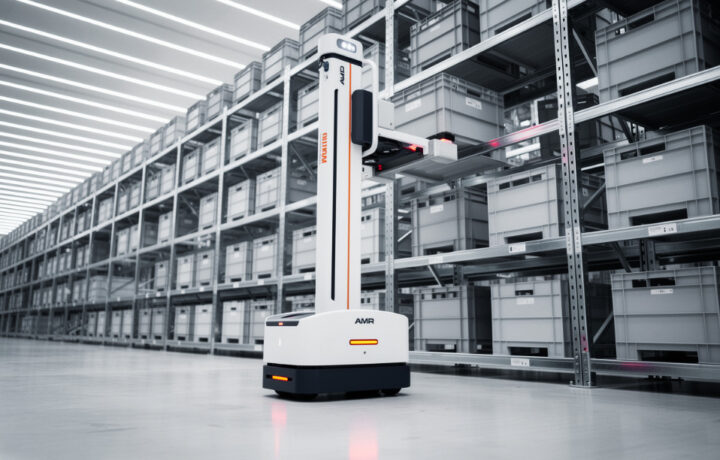
Autonomous mobile robots are often introduced as a way to reduce walking and move goods more efficiently. As the technology matures, that narrow definition is becoming inadequate. For an Industry 5.0 operation, an AMR platform should combine automation with human work, adapt to changing demand and make the wider process more resilient.
Deployment speed, robot utilisation and travel time remain useful indicators, but they do not reveal whether a warehouse is making better decisions. A fleet may move quickly while supervisors continue to handle congestion, urgent orders, missing items and labour imbalances manually. In that situation, the technology has automated movement without removing operational complexity.
From robots to an adaptive operating system
Businesses evaluating platforms should ask whether several picking methods can run in parallel. Different zones have different aisle widths, product velocities and handling requirements. They should also test whether priorities can change during the shift rather than waiting for a refreshed instruction from the warehouse management system.
The software should retain its intelligence where robots cannot operate directly. Manual zones, very narrow aisles, high shelving and bulky products are part of the same customer promise and should not become invisible to the system. Exception management is another resilience factor: automated responses to missing products, quantity mismatches and overfilled totes can reduce dependence on constant supervisory intervention.
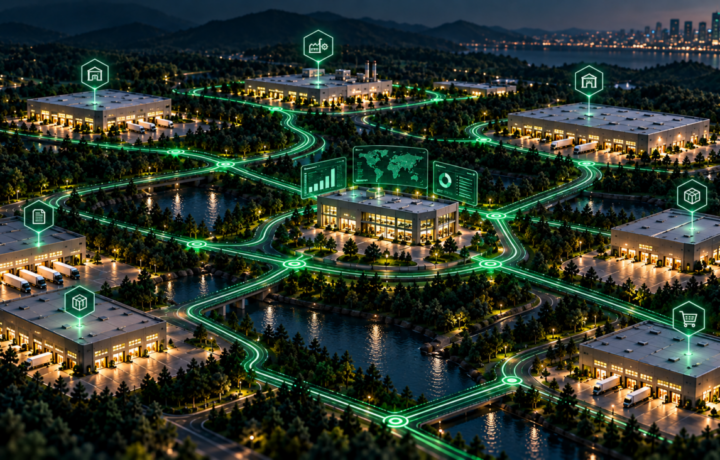
Most importantly, the platform must connect local activity with the business outcome. Robot assignments need to be measured against dispatch cut-offs, service-level targets and cost per order, not just completion rates.
Why this supports resilient industry
Peak periods and labour shortages expose whether an AMR deployment can replan, rebalance and communicate risk. Continuous orchestration can help companies absorb demand variability without simply adding more robots or management effort. It also supports a more human-centred model in which employees focus on work that requires judgement while routine coordination is handled digitally.
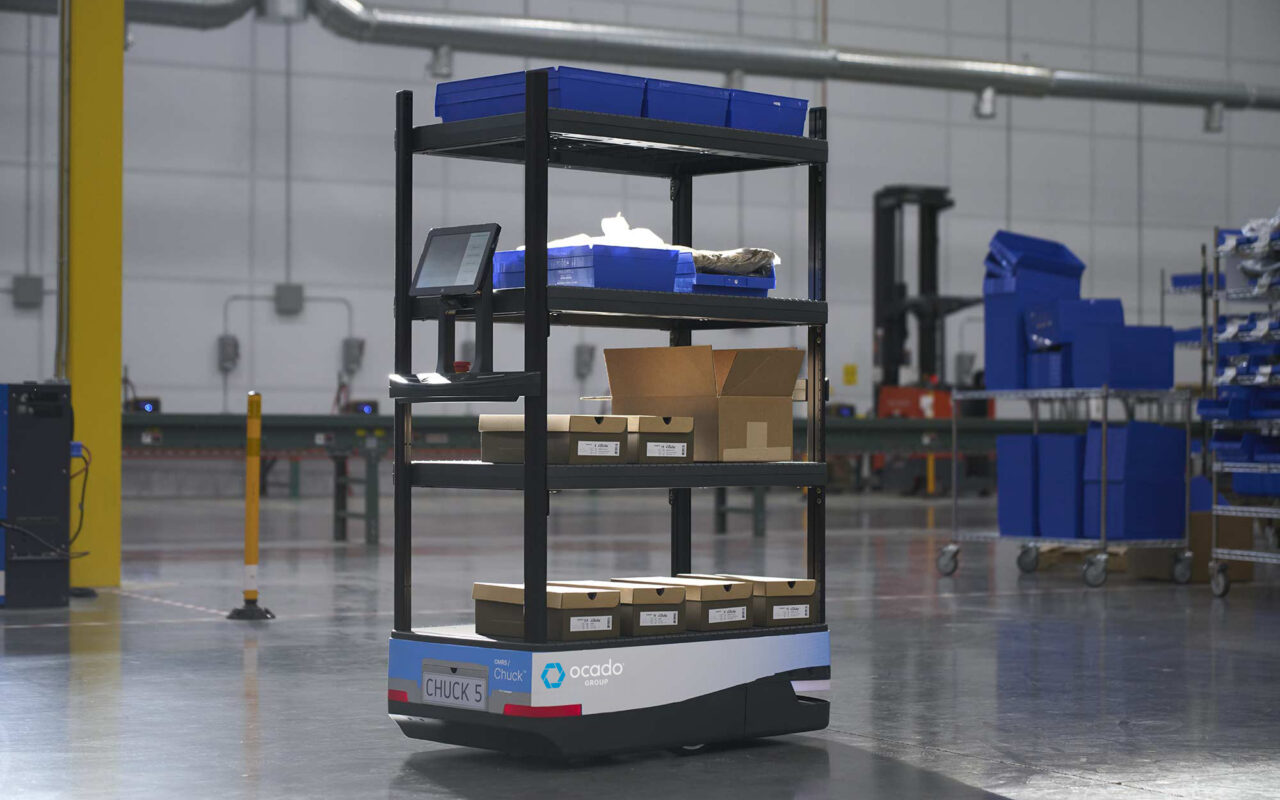
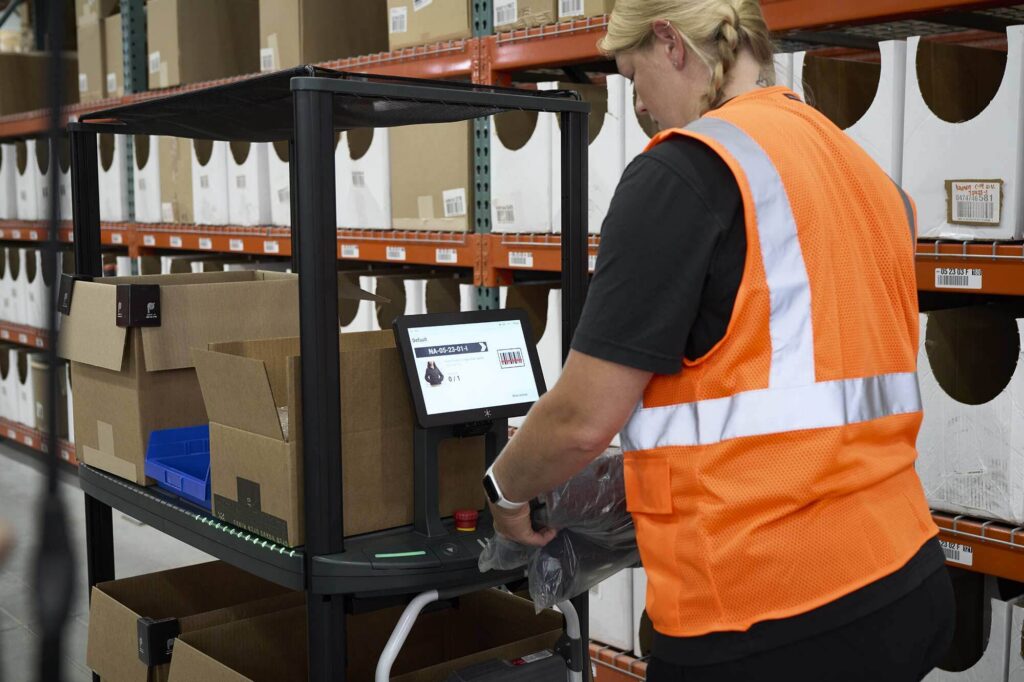
Chuck AMR, powered by Ocado IQ, illustrates this approach by linking robot and manual workflows. The Ocado IQ App provides system-directed support beyond robot-accessible areas, while The Bridge gives supervisors live visibility of pick rates, queues, fleet availability and service performance. The platform is associated with Ocado Group.
Reported performance includes two to three times the productivity of manual cart picking and payback as short as six months. Such results should not be interpreted as a promise for every site, but they underline the investment principle: sustainable value comes from coordinated decisions across the operation. Industrial companies should therefore assess AMR platforms as adaptive digital systems, not isolated machines.