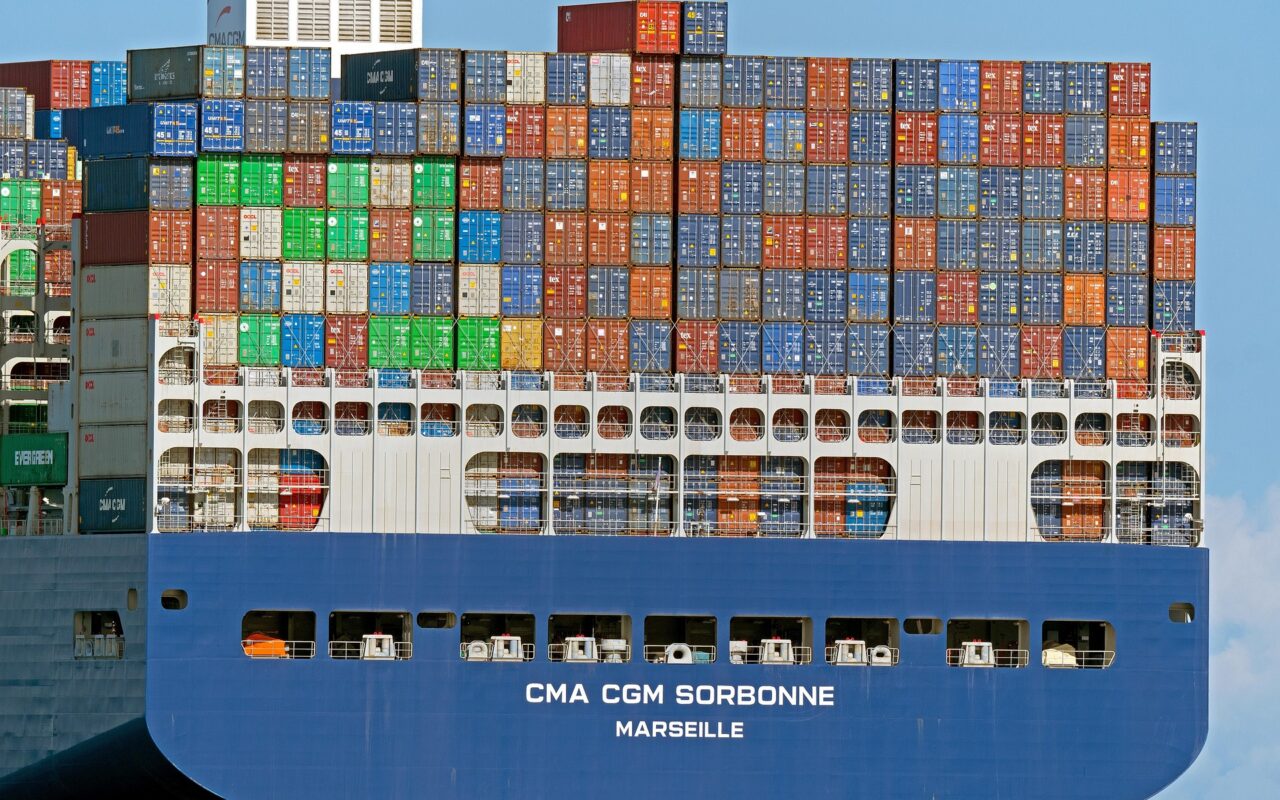
Industrial supply chains are being asked to move more freight while managing a less visible safety risk. Major UK ports handled 1.7 million containers in the second quarter of 2026, a 12% year-on-year increase, while container tonnage rose 9%, according to Department for Transport figures.
The challenge is not simply capacity. Lithium-ion batteries are increasingly embedded in products that enter logistics networks as conventional cargo. Global deployment in 2025 was six times the 2020 level, according to the World Shipping Council. Batteries can be transported safely when declared and handled correctly, but damage, defects or poor procedures can create a fire hazard.

Resilience depends on information continuity
Special Provision 188 in the International Maritime Dangerous Goods Code allows some qualifying batteries to move with reduced requirements. The council has called for changes, highlighting the energy concentrated in such shipments: approximately 4,200 laptops could represent about 416 kWh in a single container.
For Industry 5.0 operations, the issue is also one of human-centred resilience. A shipper may submit the initial cargo details, while a carrier records later changes. If the updated declaration does not reach a terminal or warehouse, people remain responsible for decisions but lack the information needed to make them safely.
Tigris’s September report recorded a 20% annual rise in vessel fires and around 250 incidents in the period reviewed. It also pointed to undeclared and misdeclared dangerous goods. These findings underline why safety cannot be treated as an isolated maritime process; it must continue through every handover.
Digital controls support safer decisions
Tom Bebbington of Tigris says additional requirements will have limited value unless the relevant data reaches the operator before handling begins. Linking existing systems could identify mismatches, trigger escalation and reduce dependence on manual checks.
That approach supports both resilience and efficiency. It does not replace trained personnel or remove the underlying hazard, but it can give industrial companies earlier warning, better storage decisions and a clearer audit trail as battery-powered products become a larger part of global freight.