Peak-season resilience is often discussed in terms of inventory, picking and packing. Yet the final movement from warehouse to trailer can determine whether that preparation produces additional shipments. If vehicles queue at the dock, or freight is not ready when they arrive, upstream productivity is converted into waiting time.
A more controlled dispatch flow
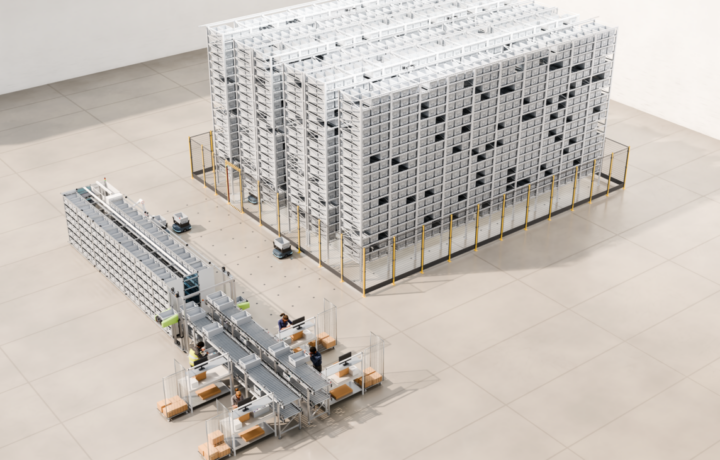
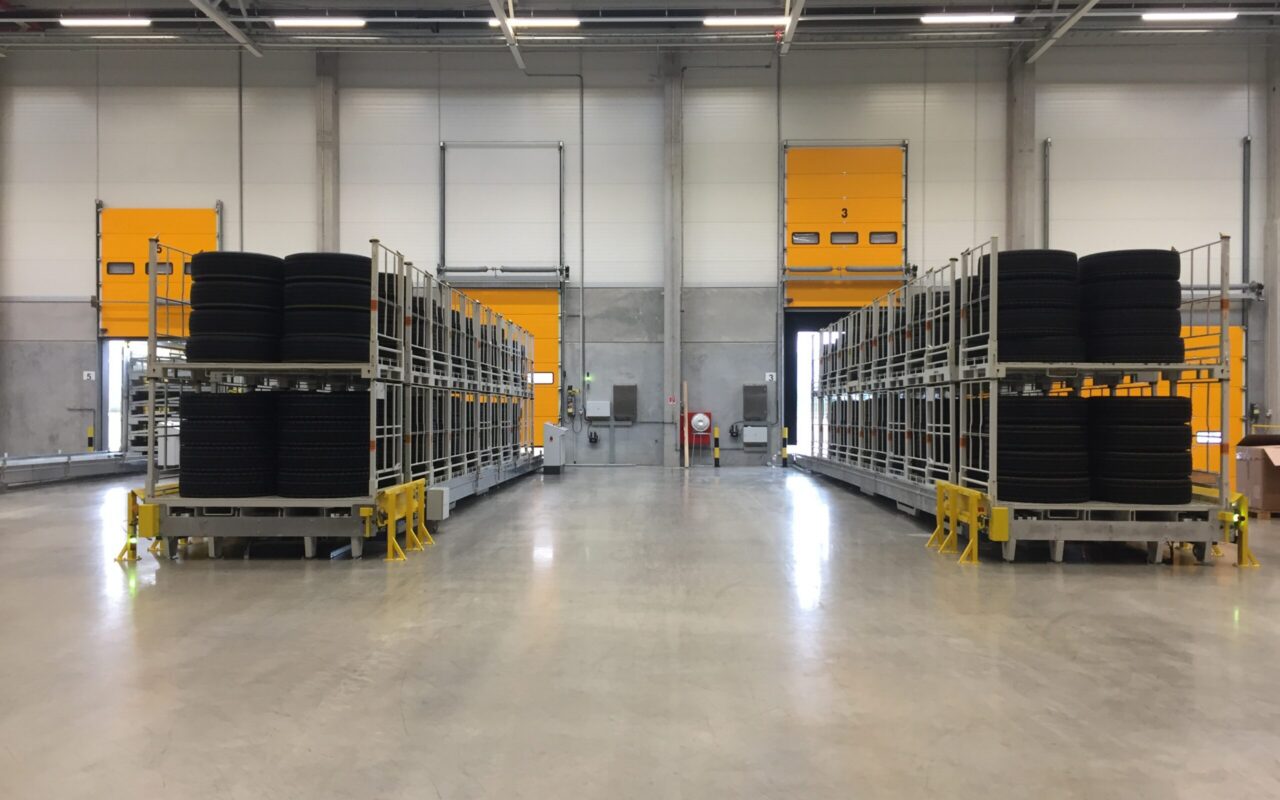
A sequencing buffer provides a staging area for complete outbound loads before collection. Instead of building a shipment beside the trailer, teams can prepare it in advance and present it in loading order. This reduces pressure at the dock and can help a facility use fewer bays for a given volume, while retaining the ability to activate more bays when demand rises.
The strongest cycle-time improvement comes from automating trailer loading. Forklift-based loading generally takes 30–45 minutes per truck. An automated trailer loading system can reduce the operation to as little as two minutes. That improvement supports faster vehicle turnaround, steadier dock availability and more predictable throughput—important characteristics for operations dealing with volatile seasonal demand.
There is also a resource-efficiency dimension. A single operator can load a trailer, allowing other employees to be deployed to picking, packing or dispatch support. In addition to reducing labour requirements at the vehicle, this makes the operation less dependent on finding temporary forklift drivers at short notice.
Safety and resilience are connected
Loading areas concentrate pedestrians, vehicles and heavy products in confined spaces. Keeping forklifts out of trailers reduces opportunities for collisions and vehicle-pedestrian interaction. Systems from Joloda Hydraroll can use traffic lights and trailer-locking mechanisms to support controlled vehicle movements and prevent unsafe departures. Consistent loading also limits manual handling and can protect products from damage.
The case for improving this interface is reinforced by operational data: more than 80% of warehouse decision-makers and influencers report material-transport reliability problems during peak demand, including congestion and bottlenecks. Only 16% report fully automated outbound and loading workflows.
For Industry 5.0-oriented operations, the lesson is not simply to replace people with machines. It is to design a safer, more predictable human-machine flow that can absorb demand without continually adding space, labour or risk. Loading automation should therefore be considered alongside other peak-season investments, not after them.