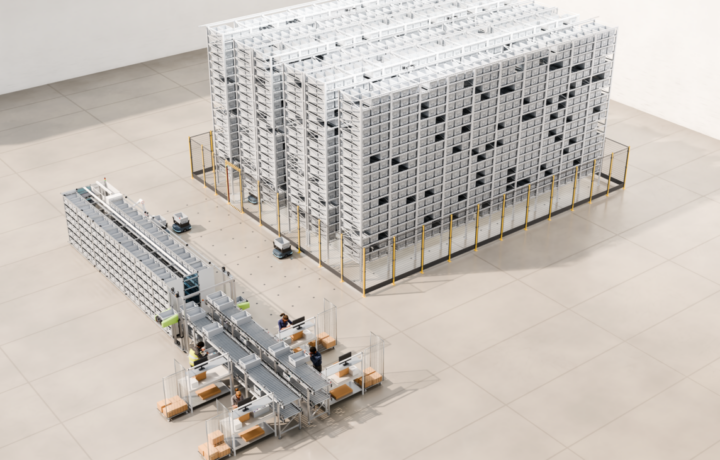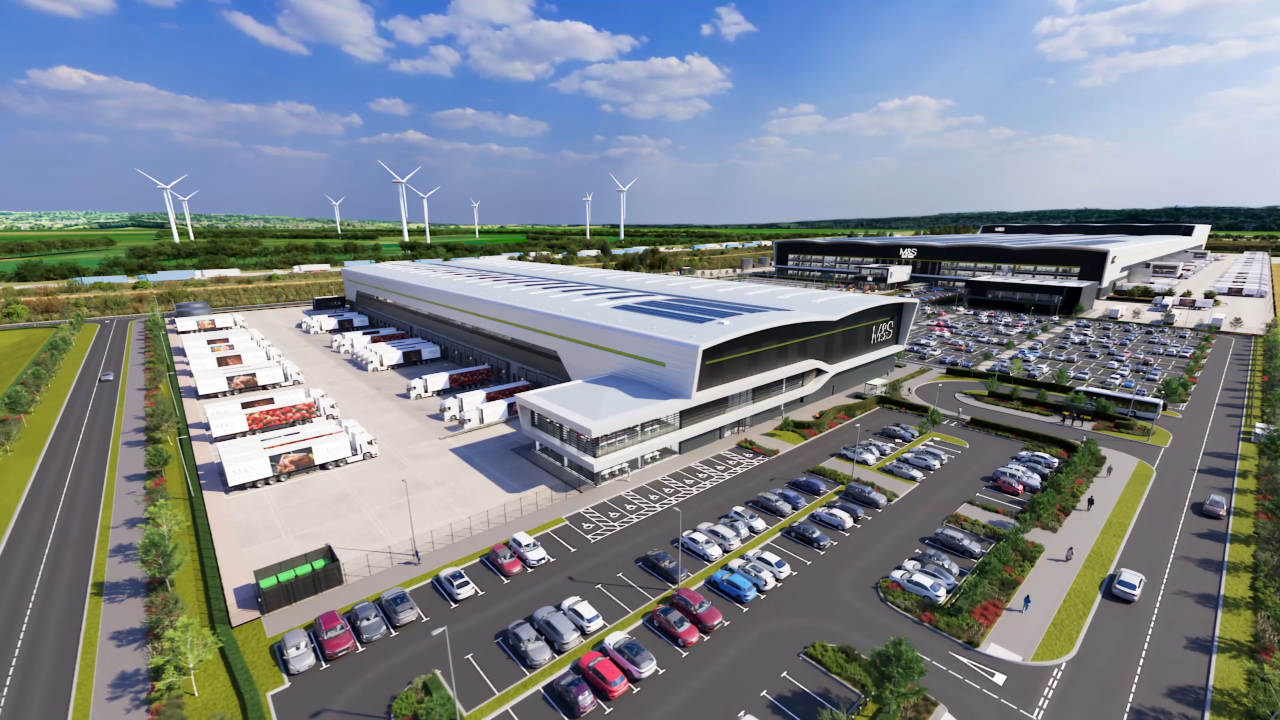
Marks & Spencer’s planned grocery fulfilment centre in Daventry offers a practical example of how Industry 5.0 principles can be applied to supply-chain infrastructure. TGW Logistics is designing the 30-metre-high facility to automate the flow of goods used to replenish stores. Completion is expected in spring 2029, with reported investment of £340 million.
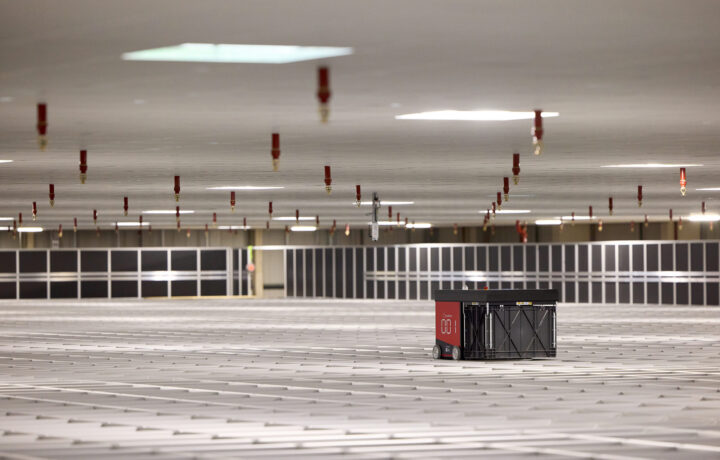
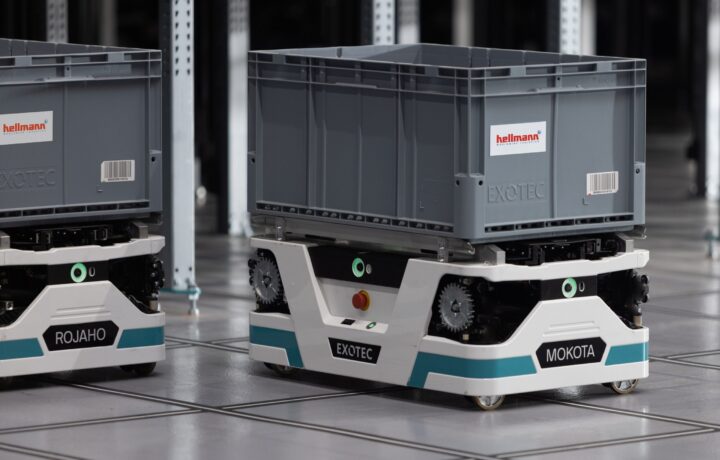
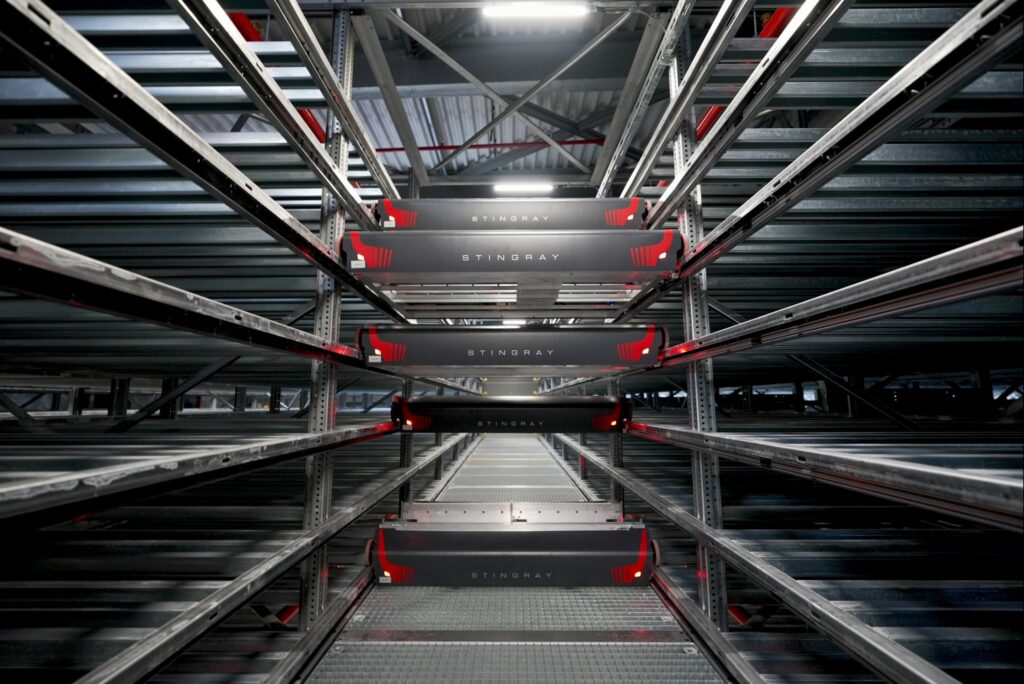
The system will bring several technologies into one operating model. Ambient goods will move through a high-bay pallet warehouse and a tray-based shuttle system. Autonomous mobile robots will transfer pallets from receiving into storage, while robotic equipment will assemble roll cages for store deliveries. In the chilled area, shuttles will buffer and sequence trays before automated machines build dollies.
Flexibility as an operational capability
The most important lesson for industrial companies is that automation is being designed around uncertainty, not only around steady-state efficiency. Retail inventory can change abruptly: a product with limited movement may become a priority after a social-media trend. If the facility cannot adjust its priorities, additional labour and manual intervention can quickly erode performance.
TGW’s Flashpick system is intended to address this type of SKU volatility. The wider installation will also use an energy-efficient conveyor network to connect the ambient and chilled environments. Together, these elements create a coordinated flow rather than a collection of isolated machines.
Long-life infrastructure, continuing development
The collaboration with M&S began about three years before delivery, allowing the partners to examine the business case and operating requirements before procurement and approvals. That extended preparation is significant: large automated facilities are difficult to modify once built, so early decisions must account for capacity, product mix and future change.

TGW says its systems are designed for a 20- to 30-year life and supported by continuing research and development. For manufacturers and retailers, the implication is clear: resilient automation should not simply maximise today’s throughput. It should remain maintainable, adaptable and economically useful as demand patterns and technology evolve.