Flexible robotics targets the volatility of fashion logistics
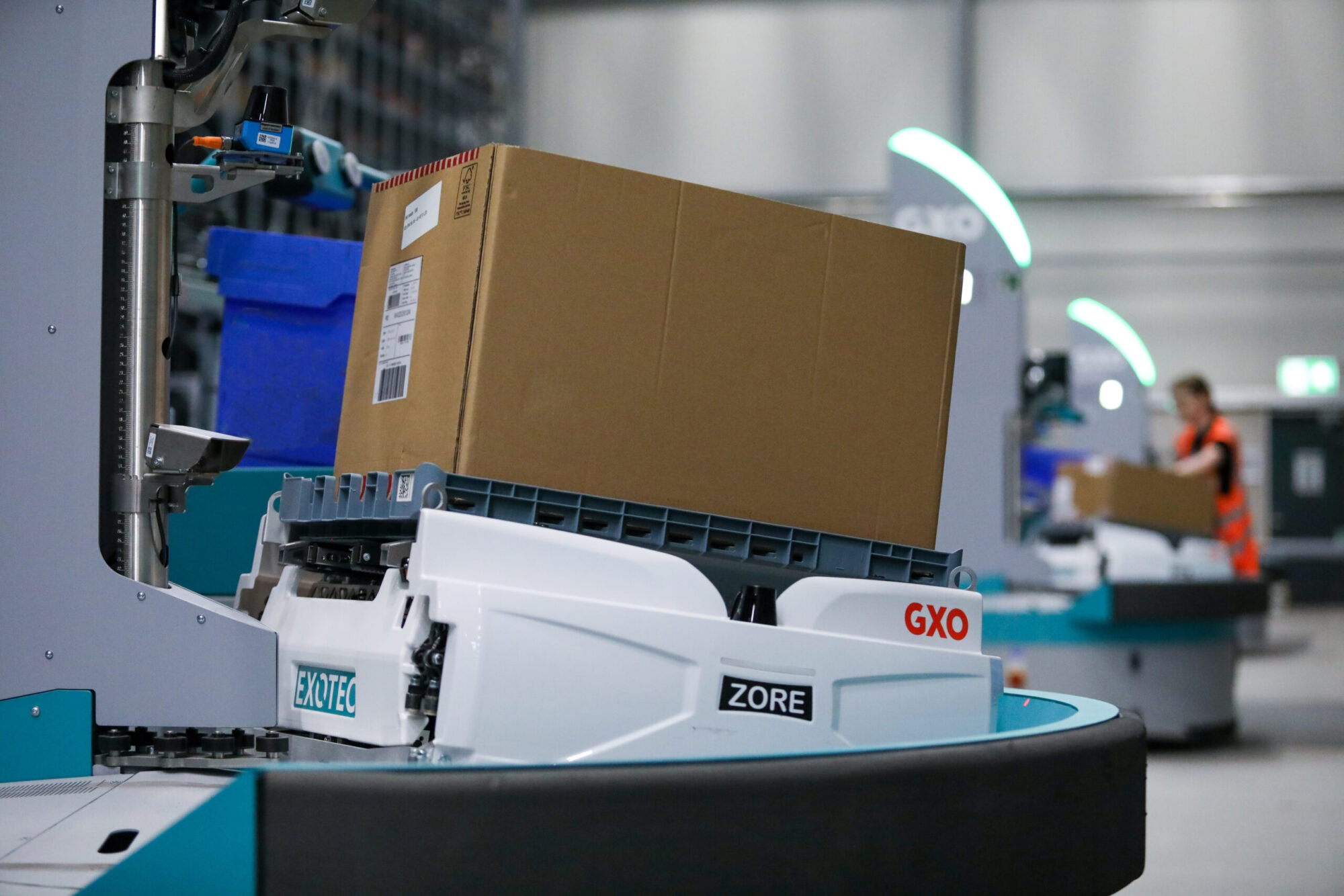
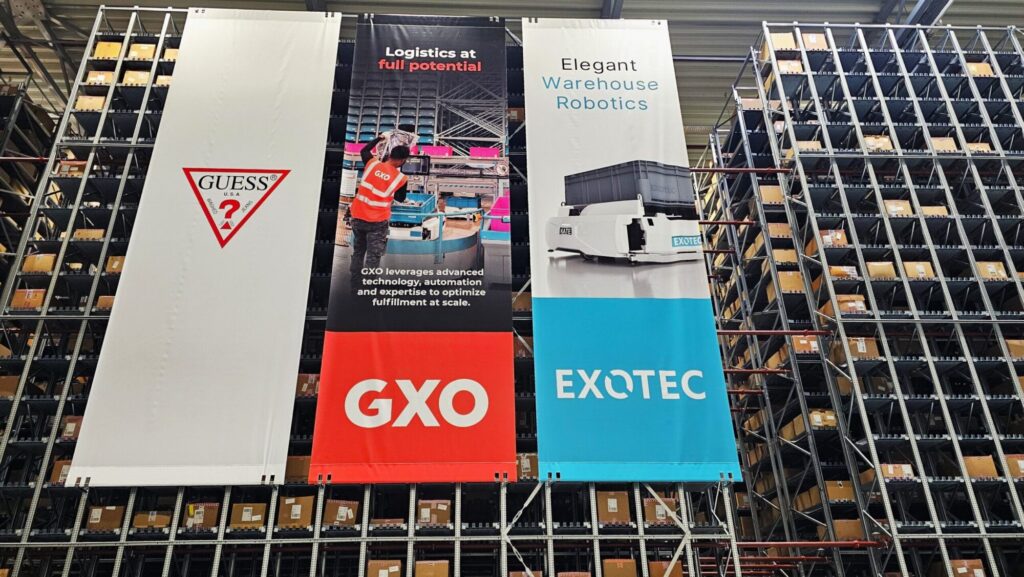
Fashion fulfilment is a demanding test for warehouse automation. Product ranges change regularly, item counts are high and the difference between ordinary and peak demand can be substantial. GXO’s new deployment for Guess in Venlo, the Netherlands, addresses those conditions with a robotic storage and picking architecture designed to scale.
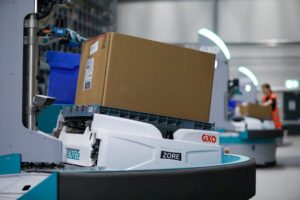
The Exotec Skypod system uses 127 robots and provides 60,000 rack locations. Eight goods-to-person stations receive products from automated storage, while 200 metres of conveyor connect the main storage, picking and dispatch areas. The operation is specified for 40,000 to 70,000 pieces per day and can reach 2,200 order lines per hour at peak.
From fixed capacity to adaptable infrastructure
The significance of the installation is less about robot count than about how the capacity is structured. Instead of relying on a warehouse layout designed around a single demand profile, the system can support a wider operating range. That gives the site room to manage seasonal surges and future growth without rebuilding the entire process.
Exotec integrated the automated storage and retrieval system, picking stations, conveyors and specialised handling equipment under one platform. GXO and Exotec developed the configuration around Guess’s requirements, with the aim of reducing manual picking effort while preserving operational flexibility.
One network, several fulfilment channels
At Venlo, GXO manages inbound logistics and value-added work such as quality control and garment conditioning. Outbound distribution serves Guess retail stores across EMEA and Asia. E-commerce fulfilment for the Benelux market is also being added, giving the facility responsibility for both store-based and direct-to-consumer flows.
This combination makes predictability as important as speed. GXO says the operation has become more streamlined since the system went live. For industrial companies, the example points to a practical Industry 5.0 lesson: automation creates more value when it is configured around the variation people and processes must handle, rather than treated as a universal replacement for existing operations.
Further information about the logistics operator is available from GXO.