Warehouse performance is increasingly tied to industrial resilience. E-commerce demand is rising, labour is becoming more expensive, warehouse space costs are increasing and global uncertainty makes planning less predictable. At the same time, customers expect faster fulfilment: 56% of online shoppers aged 18–34 want same-day delivery, while 71% would pay extra for next-day delivery.
These pressures make data quality an operational issue rather than a reporting concern. During Black Friday 2024, e-commerce shipments nearly doubled against a normal day. After Christmas, returns rose by as much as 50%. If an operation believes it holds $10 million of stock but actually has only $7 million available, the gap can quickly affect revenue, service levels and purchasing decisions.
Why partial automation falls short
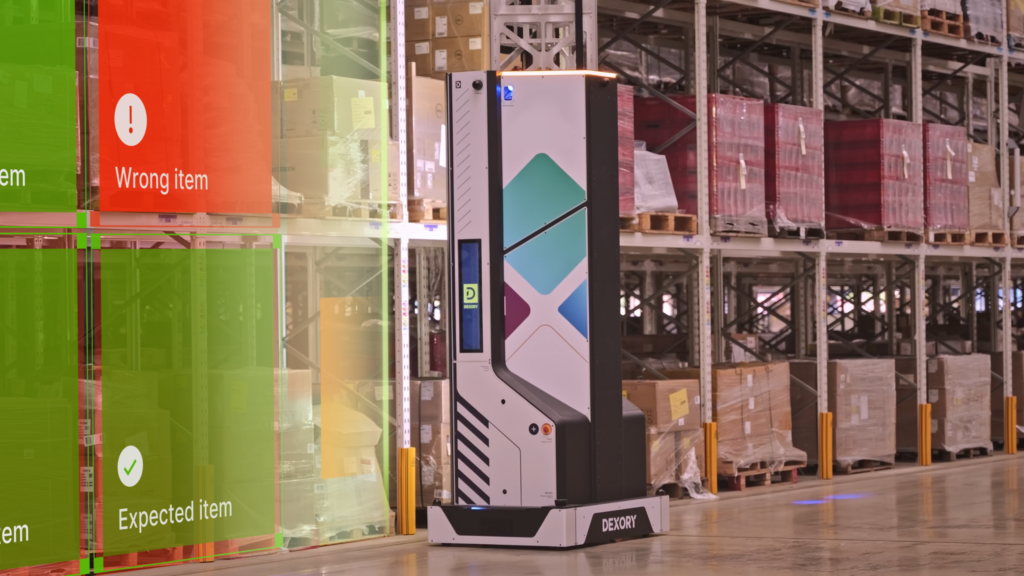
Traditional barcode, RFID and manual scanning processes have supported warehouses for decades, but their information depends on where and when people perform checks. Inventory records can therefore become stale or inconsistent. A product may be recorded as available while being stored in the wrong position, creating a chain of avoidable tasks.
A missing pallet can turn a two- or three-minute pick into an exception report, a forklift search and replenishment. This rework consumes energy, labour and equipment capacity without adding customer value. Reducing it is relevant not only to productivity but also to more sustainable use of existing infrastructure.
A digital twin for continuous improvement
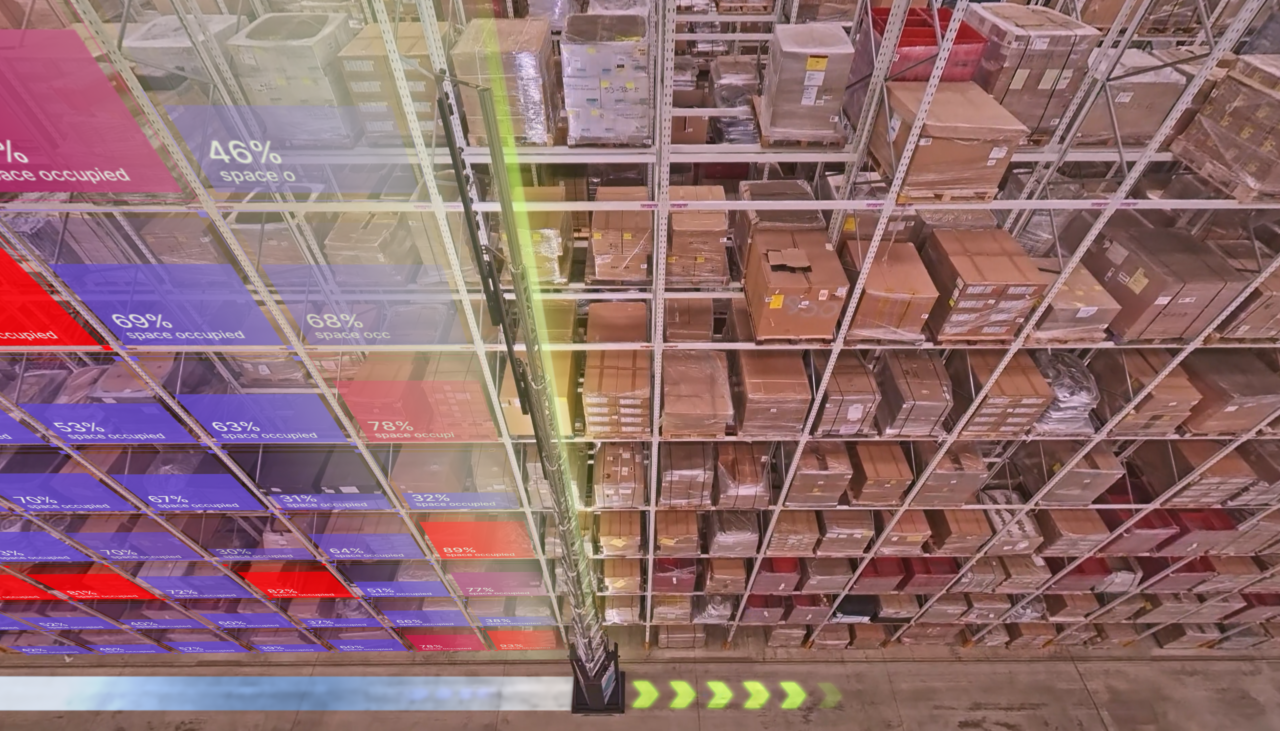
Dexory’s autonomous robot scans warehouse environments up to 18 metres high and can process up to 10,000 pallets per hour, continuously, day or night. Its thousands of data points are processed by DexoryView, an AI-powered platform that builds a live digital twin.
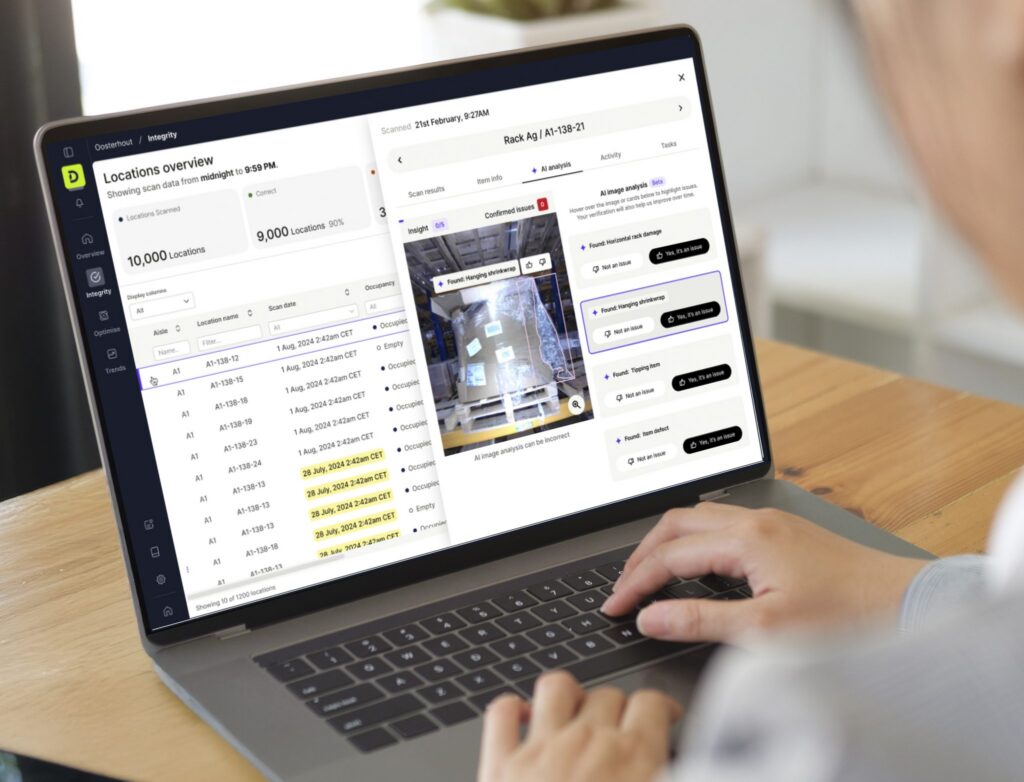
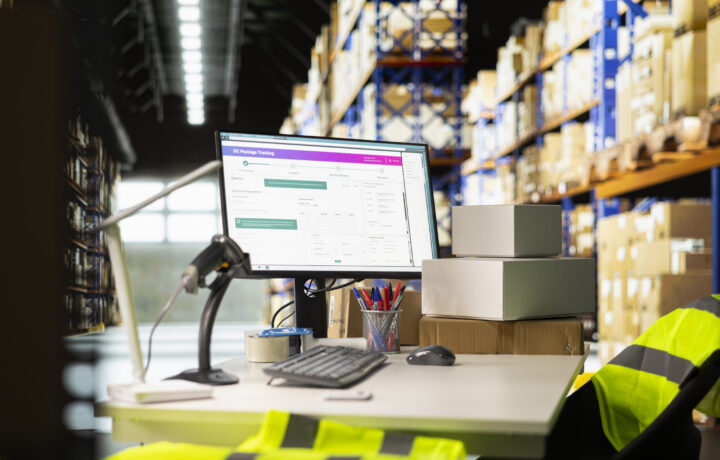
The model gives teams current information about inventory, space utilisation and bottlenecks without stopping warehouse activity. It can also provide a common data layer for floor operations, demand forecasting, procurement and analysts.
This is the move from visibility to intelligence: identifying emerging issues before they damage throughput, rather than investigating them afterwards. In peak periods, operators can focus on fast-moving SKUs, refine picking paths and place high-demand items where they are most accessible. The practical outcome is better use of assets, fewer unnecessary movements, lower waste and a more adaptable fulfilment system.