Girteka Uses Network Design to Respond to Driver Shortage
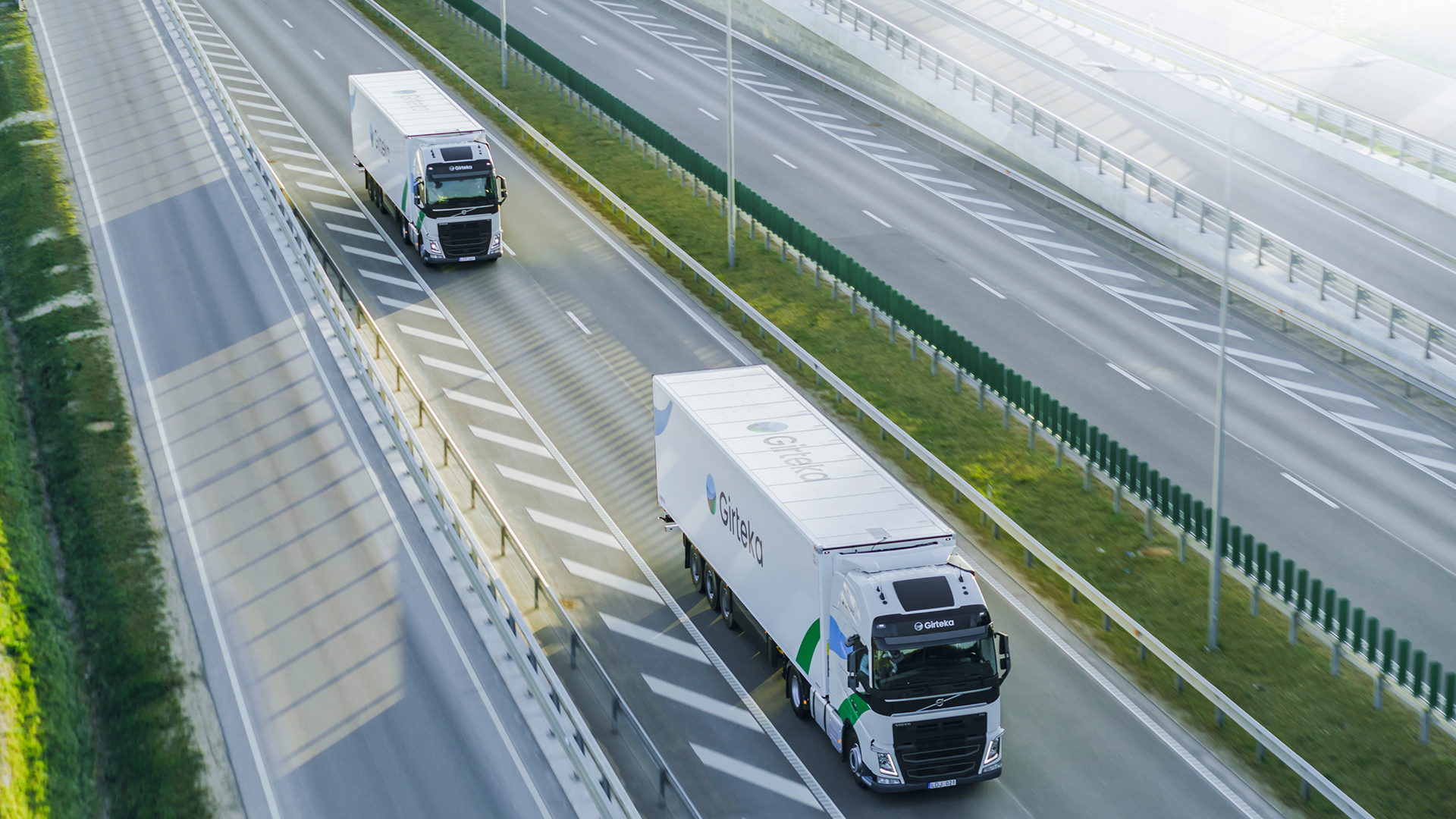
Girteka is adding two local operating nodes to its European transport network, with new entities in Riga, Latvia, and Oradea, Romania. The structure is intended to combine local vehicle registration and driver employment with coordinated transport management.
Rather than relying on a single labour pool, the carrier is spreading operational access across several markets. This is becoming an important resilience measure for asset-based logistics businesses whose capacity depends on the availability of qualified drivers.

Resilience through distributed operations
Latvia is already approaching 100 locally registered trucks in active service. Romania is preparing to receive its first trucks and drivers. Administrative and management capability will be developed locally as each operation grows.
The move adds to Girteka’s established presence in Europe. In Poland, the company operates a fleet of around 3,000 trucks and maintains local recruitment, transport-management and operational functions. The wider network gives the business more options for matching assets and people to regional conditions.
Girteka reports annual activity of approximately 800,000 full truckloads for more than 5,000 customers, as outlined on its website. For industrial supply chains, the significance is straightforward: driver availability determines how much physical transport capacity can be delivered.
People remain central to digital logistics
The International Road Transport Union estimates that Europe had around 502,000 unfilled truck-driver positions in 2025, equivalent to approximately 13% of the workforce needed by the sector. It also forecasts that around one-fifth of current drivers will retire over the next five years.
Girteka is recruiting operations and management personnel in Riga to establish processes, support fleet expansion and build local teams. Romanian recruitment will advance in parallel with the start-up and growth of the new operation.
The development shows why automation and network visibility cannot fully offset workforce constraints in road freight. Digital coordination may improve utilisation and control, but resilient delivery still requires a geographically adaptable employment model and sufficient trained drivers.