Industry 5.0 warehouses need a live operational picture

Warehouse automation is often presented as a route to higher throughput, but the Industry 5.0 perspective adds a less visible requirement: technology must remain connected to the conditions in which people, machines and inventory operate. Autonomous mobile robots, automated storage and retrieval systems, AI-enabled WMS platforms and advanced picking tools are already transforming warehouse work. Their effectiveness, however, is constrained when operational data is delayed or incomplete.
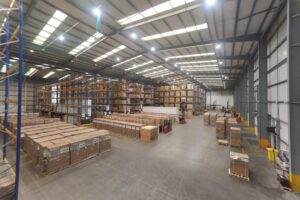
A warehouse is a changing physical environment. Pallets are moved, locations become partially occupied and busy aisles develop congestion. Transaction records may accurately describe what was scanned at a particular moment while failing to represent what is happening now. This creates a gap between digital intent and physical execution.

Digitalisation must reflect reality
Closing that gap is important for both productivity and resilience. A current view of inventory, capacity and exceptions enables managers to make adjustments before a local issue becomes a service problem. Storage can be planned around actual utilisation, replenishment can respond to current conditions and people can be assigned where demand or congestion requires attention.
This approach also supports a more balanced relationship between automation and the workforce. Instead of treating technology as a replacement for operational judgement, continuously updated information helps employees focus on exceptions, coordination and improvement. It can make the workplace more informed and reduce the need for reactive manual investigations.
Smarter systems require stronger foundations
AI tools for forecasting, slotting and labour planning depend on trustworthy inputs. Inaccurate inventory or capacity records can produce poor recommendations regardless of model sophistication. Real-time operational intelligence therefore becomes a foundation for responsible digitalisation, not simply another software feature.
For industrial companies, this creates a practical investment priority: integrate the automation already installed with a reliable view of the physical operation. Dexory is one provider addressing warehouse visibility.
More resilient logistics will come from systems that can sense changing conditions and support timely decisions. Industry 5.0 warehouse automation is not only about moving products faster; it is about creating operations that remain adaptable, efficient and informed under pressure.