Physical AI moves warehouse automation beyond standard loads
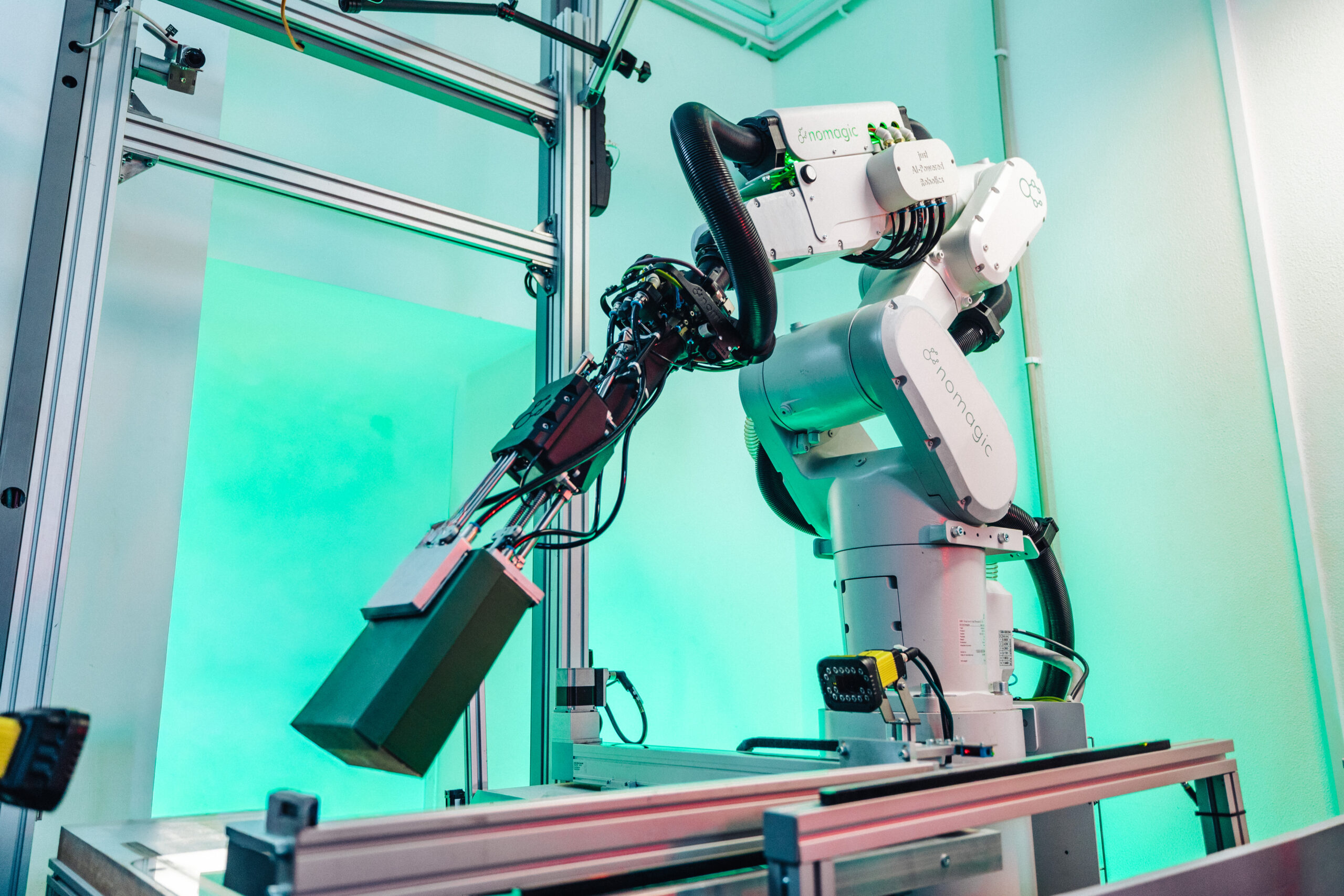
The next phase of warehouse automation will not be defined only by faster movement. It will depend on whether robots can interpret imperfect, changing physical conditions and respond without requiring every product to be standardised.
Shoeboxes provide a useful test. They account for approximately 20% of fashion ecommerce merchandise, yet their two-piece construction makes them awkward for conventional picking. A loose-fitting lid can shift or separate because of small differences in fit, orientation and friction. Product variety compounds the challenge, with warehouses handling many sizes, materials and designs.
Adaptability as an industrial capability
One apparently simple countermeasure is not acceptable in many operations. Shoe manufacturers and retailers have found that elastic bands and similar banding methods can damage presentation and the end-customer experience. Their distribution partners are therefore instructed not to use them.
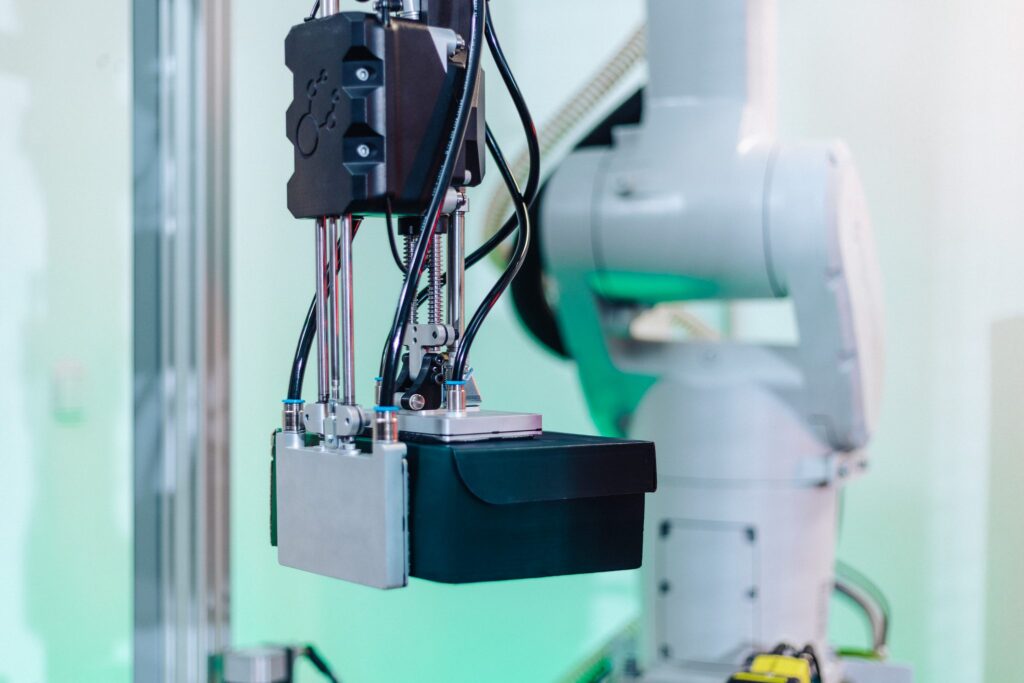
This constraint illustrates why Physical AI is gaining attention. A robotic system combines 3D perception, machine-learning-based decision-making and manipulation. It first assesses what is in front of it, where the object is stable and how it can be safely grasped. Tactile feedback can then verify the pick, while the control system can revise the action when the object behaves unexpectedly.
For Industry 5.0, the significance lies in the relationship between automation and variability. A resilient fulfilment operation must cope with seasonal demand, changing inventories and thousands of SKUs without turning packaging design into a prerequisite for mechanisation. Adaptive systems can support that flexibility while reducing dependence on narrowly engineered tooling.

From footwear to broader fulfilment flows
Nomagic has introduced a Shoebox Picker aimed at two-piece shoeboxes. Its specialised end-of-arm tooling adjusts the grasp to the dimensions, lid arrangement and orientation of each item. The company reports coverage of approximately 98% of shoebox SKUs and throughput of up to 450 boxes per hour.
The development points to a wider design principle: automation should accommodate the physical world rather than force the physical world into rigid rules. For industrial companies, that can mean broader automation coverage, greater operational resilience and a more practical route to digitising high-mix fulfilment processes.