Integrated warehouse systems bring automation closer to Industry 5.0
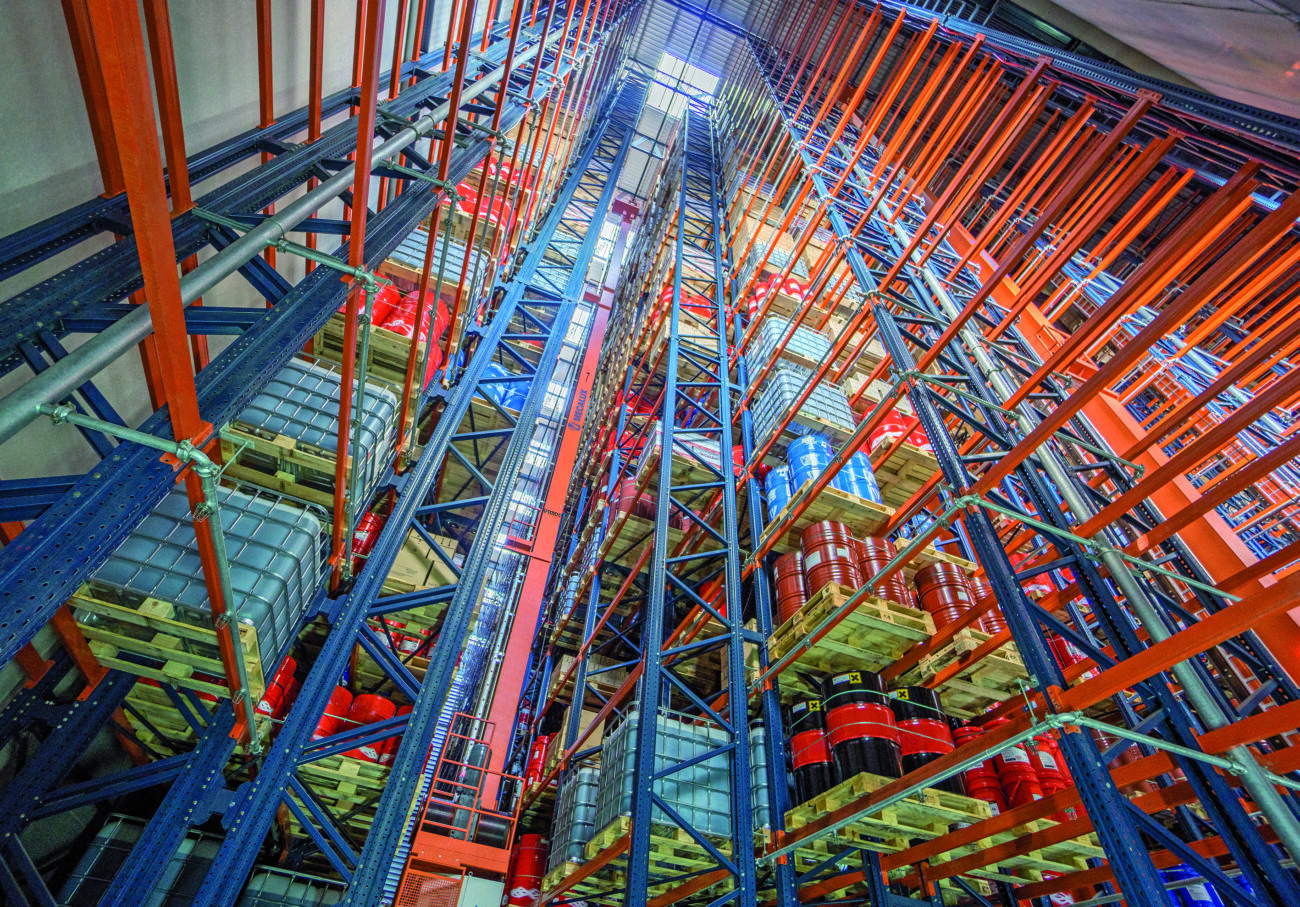
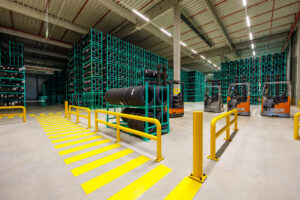
Warehouse technology is entering a more integrated phase. Manufacturers and logistics operators are combining storage systems, automation, robotics and software so that material movement and digital decision-making operate as one system.
This matters to Industry 5.0 because resilience and flexibility depend on more than throughput. A warehouse must respond to changing production volumes, product conditions and business priorities without creating new silos between equipment and information.
From automation project to operating architecture
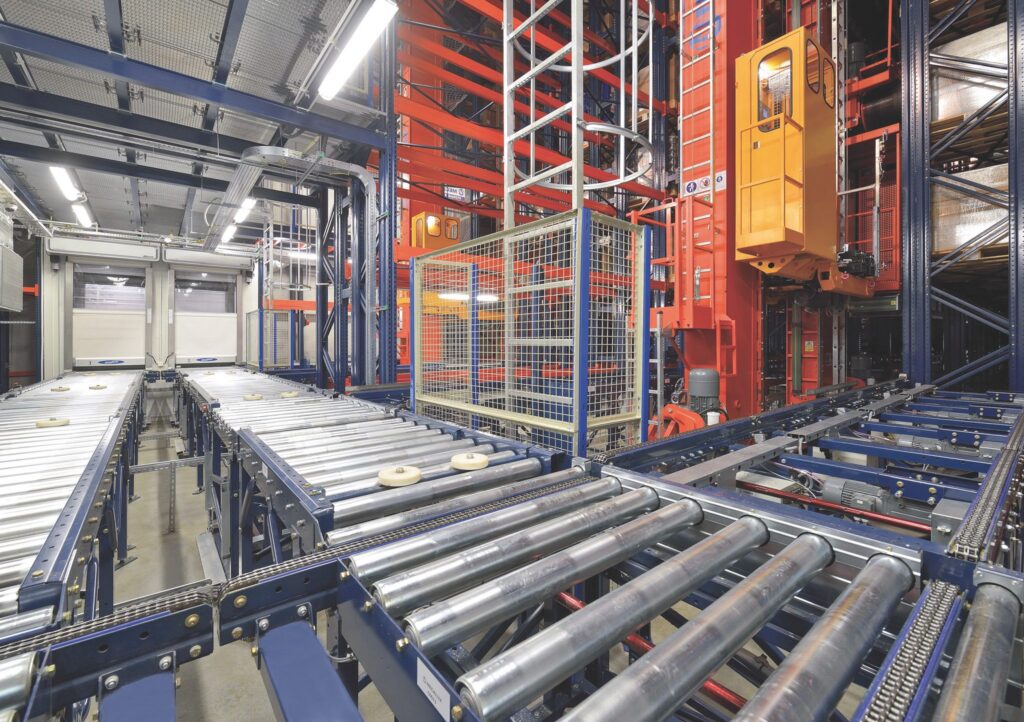
Companies are therefore increasingly selecting a global partner for the complete lifecycle of a project. Engineering, construction, automated storage, robotics and software can be planned together, reducing the risk that separate systems will perform well individually but poorly as a whole.
Mecalux combines these capabilities with an architecture based on Easy WMS, Easy WCS and Easy WES. The platform links warehouse management, equipment control and workflow orchestration, giving operators a common view of increasingly complex logistics processes.
Applications across different sectors show how the model works in practice. Cepsa connected an automated warehouse to lubricants production in southern Spain through a turnkey project. At Takeda’s expanded Polish facility, automated storage was coordinated with climate control, fire protection and warehouse software—requirements that support traceability and reliable pharmaceutical operations.
Resilience requires room to evolve
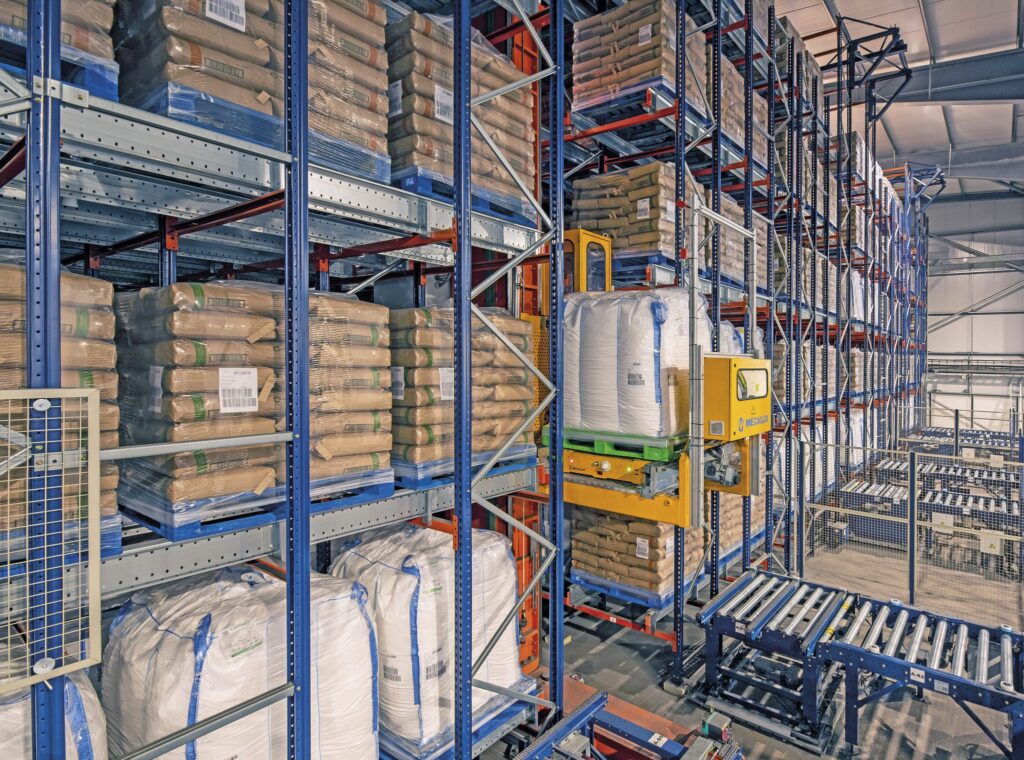
British Sugar focused on maintaining product flow between processing and storage. Lantmännen Unibake required a centre capable of handling chilled and frozen goods while preserving traceability and continuity. The installation dispatches close to 100 pallets per hour and can support future expansion.
These examples underline a practical lesson for industrial digitalisation: resilience is built into interfaces, data quality and expandability. Sustainability benefits can also follow when movement, storage capacity and production supply are better synchronised, although the primary objective remains dependable operational performance.
PepsiCo, Unilever, IKEA, HAVI Logistics, Coca-Cola and Thule are among the companies using Mecalux for logistics operations. Its technology portfolio is described by Mecalux.