The smart forklift is becoming part of the factory system
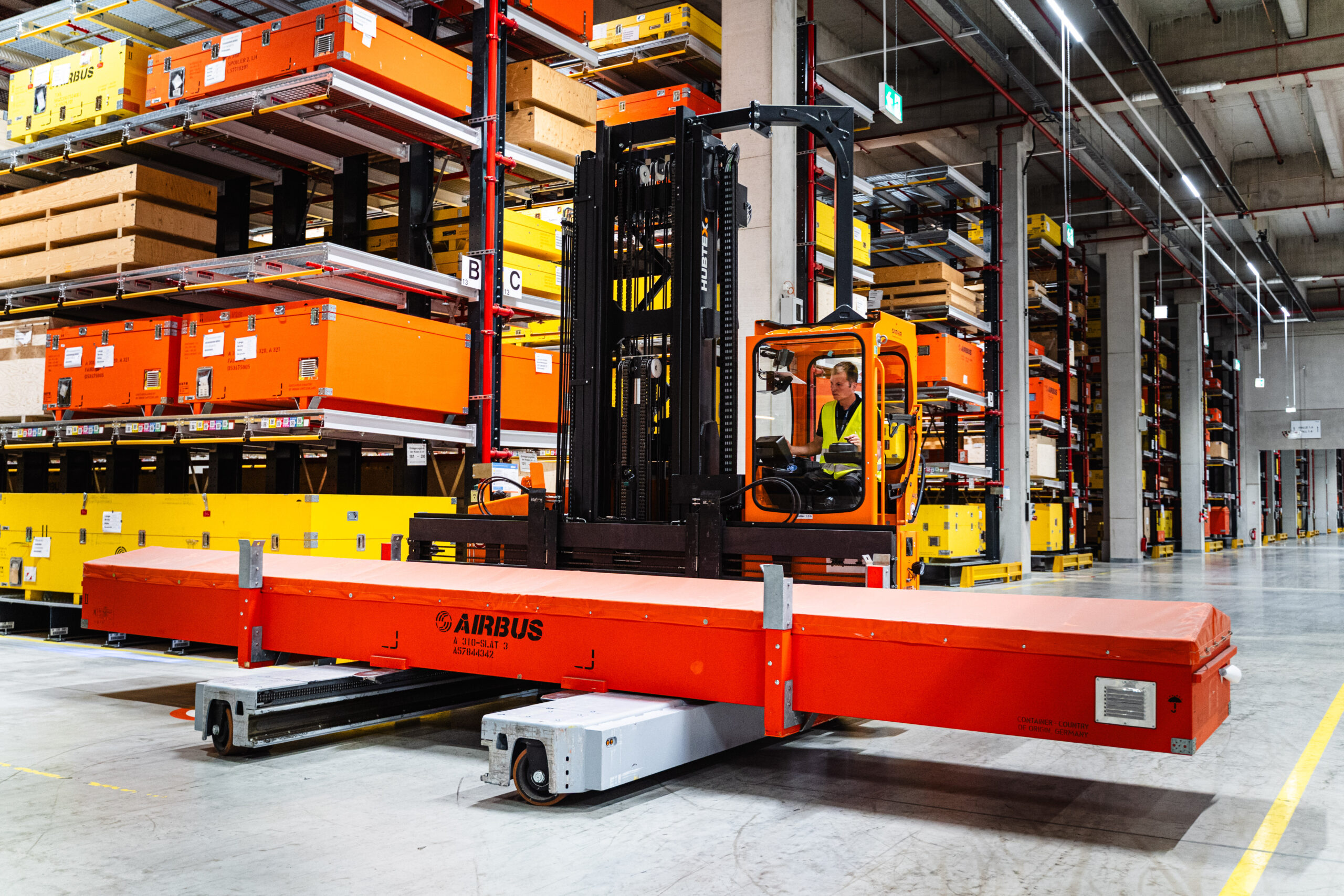
Industrial material handling is moving beyond the question of whether a forklift can lift a given load. For long and heavy products, the more important issue is how the vehicle interacts with space, people, energy infrastructure and production data. Hubtex’s approach illustrates that shift.
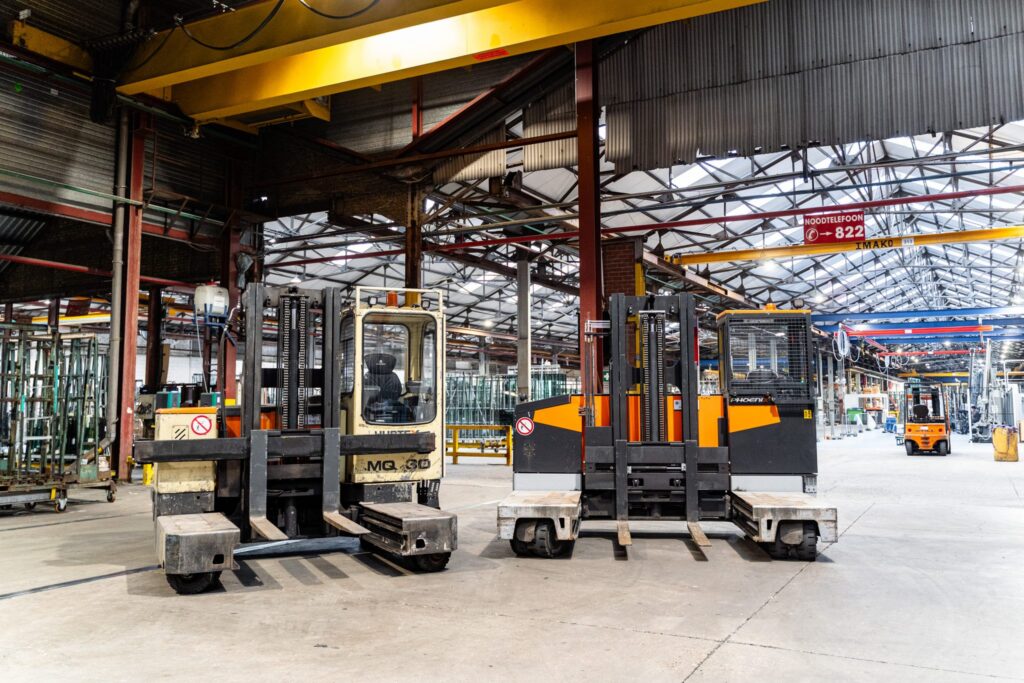
The German-founded manufacturer supplies specialist sideloaders and multidirectional trucks for applications including timber, glass, steel and plastic extrusion. Its UK managing director, Paul McNally, says customers typically want equipment to remain productive for 10 or 15 years, with some UK machines still operating after more than 30 years. Longevity therefore becomes a resilience measure as well as a maintenance benefit.
Electrification as an operating platform
Electric drive has been the company’s foundation for many years. Heavy-duty customers working around the clock require more than zero tailpipe emissions: they need dependable power, range and charging arrangements across extended shifts. Large lithium batteries and charging systems are being used to address that requirement.
The sustainability benefit is therefore linked to operational continuity. A vehicle that stays in service longer and delivers more uptime can reduce replacement frequency, while electric architecture provides a base for monitoring and assistance functions.
Technology designed around people
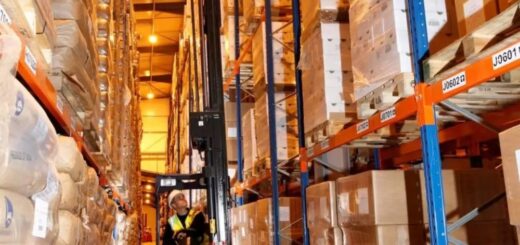
Hubtex begins projects by studying the customer’s existing process rather than treating a truck as a catalogue item. The assessment may cover picking, travel paths, racking density, safety and training. In a constrained warehouse, guidance technology helped operators enter racking areas more efficiently, raising output without changing the building.

Automatic steering support and positioning aids transfer selected tasks from the operator to the vehicle. Hubtex says one application reduced the time required to bring an operator to the necessary level from approximately three months to three weeks. That is significant in an industry facing labour shortages: automation can reduce the experience threshold without removing the human role.
The next layer is connectivity. Customers increasingly want trucks linked to warehouse-management systems and capable of supplying continuous data. This turns material-handling equipment into an information source for the wider operation.
Such integration also supports resilience in highly regulated sectors. Hubtex is seeing interest from renewable-energy and nuclear-related customers, where detailed testing and dependable engineering are essential. The broader Industry 5.0 lesson is practical: technology creates value when it improves the relationship between people, machines and the process around them.