Jadlog links scalable automation with lower-impact parcel growth
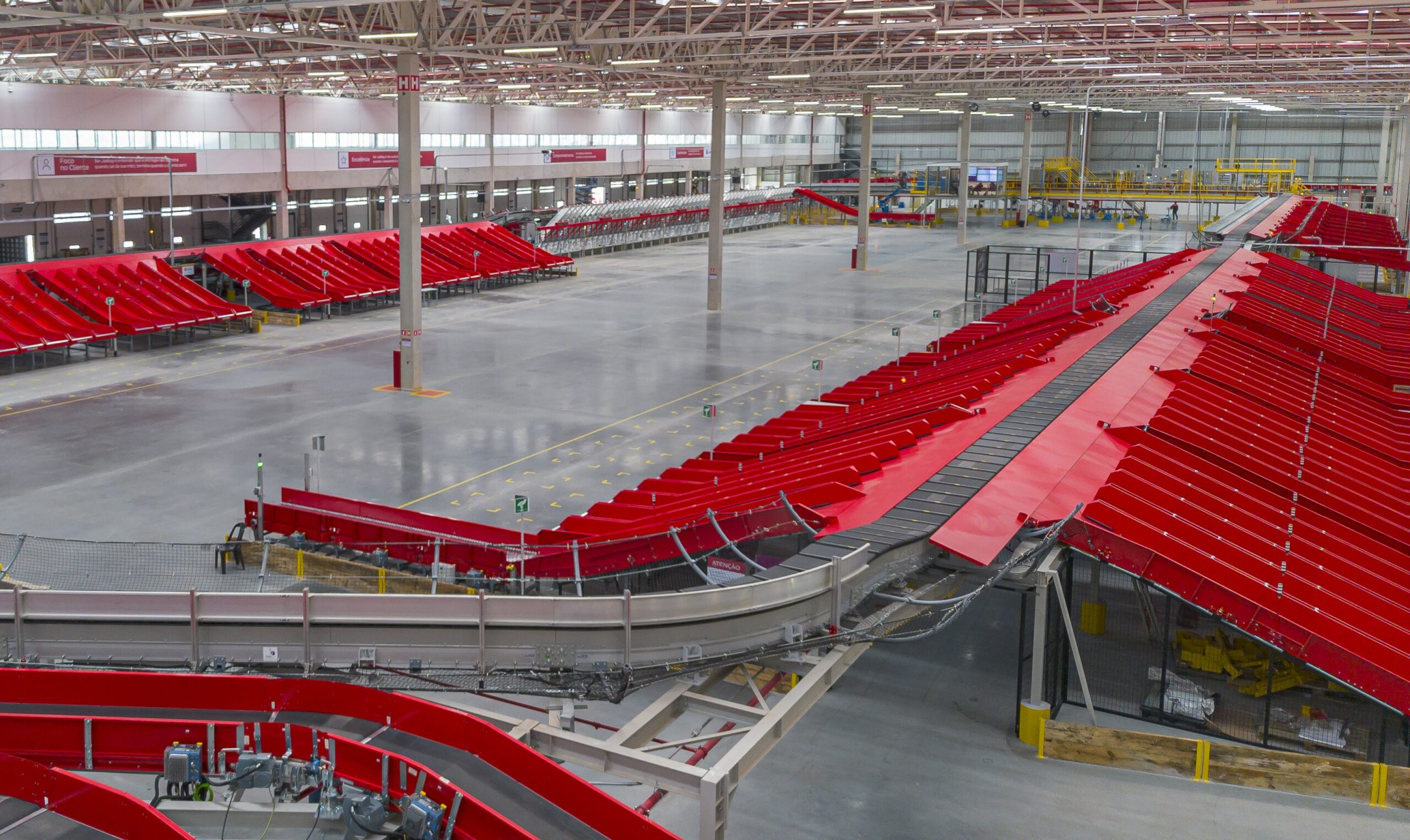
Parcel operators facing rapid e-commerce growth must expand throughput without allowing buildings, labour-intensive handling and transport interfaces to become bottlenecks. Jadlog’s new automated hub in São Paulo illustrates one response: combine a high-capacity sorter with a layout designed around national network expansion.
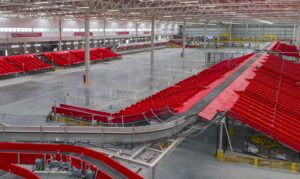
The facility represents an investment of more than R$200 million and can process up to 16,500 parcels per hour during peaks. Fives supplied the GENI-Belt sorting system, which uses six induction lines and serves almost 300 destinations. Its ability to handle parcels and small items on one sorter gives the operator flexibility in a mixed-format flow.
Capacity designed as a system
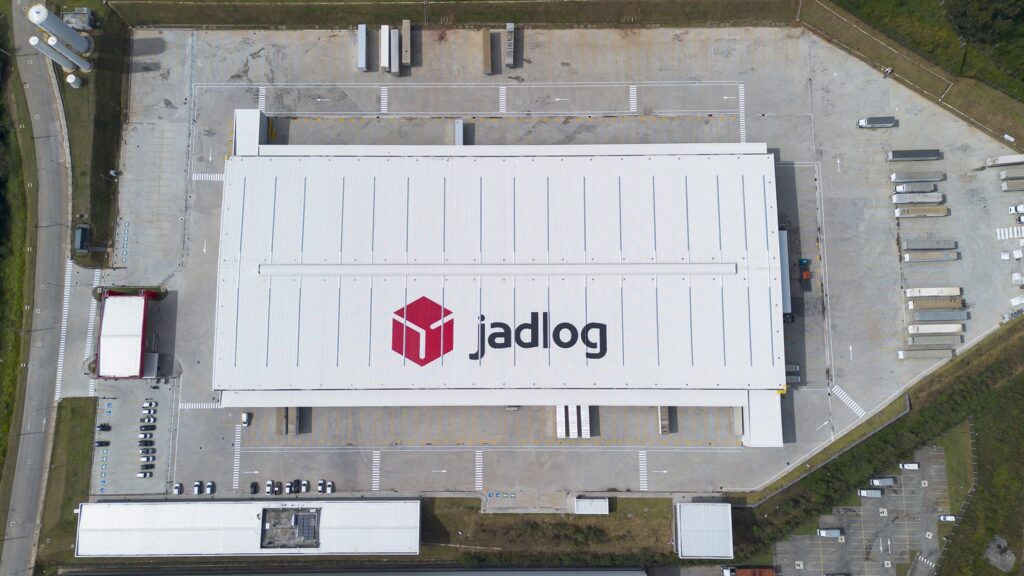
The hub covers approximately 20,000m² and includes 87 loading docks. Around 2,000m² of mezzanine space is allocated to offices, while 5,000m² provides support areas. For industrial operators, the significance is not only the nominal sorter speed: throughput also depends on how induction, routing, loading and support functions are integrated.
Jadlog says the investment will strengthen operational capacity and service quality across Brazil. CEO Bruno Tortorello reported that volumes have increased tenfold since the company was acquired by Geopost. The carrier now operates through more than 500 franchises, 17 branches and over 4,000 pick-up and drop-off points.
COO Fernando Gasparini described the sorter as a strategic move towards greater automation, capacity and predictability. The facility was inaugurated on 7 May 2026, with Jadlog, Geopost and Fives representatives attending.
A Latin American automation reference
The installation is described by Fives Intralogistics as Geopost’s first in Latin America. It follows a project with DPD Portugal and demonstrates how a standardised automation platform can be adapted to a growing regional network.
Jadlog and Geopost have also incorporated sustainability into the hub’s design. The infrastructure is intended to reduce environmental impacts, optimise resource use and lower emissions. That objective matters across a fleet comprising more than 2,300 trucks and trailers and 4,700 utility vehicles, where operational efficiency must extend beyond the sorter itself.