Reusable packaging moves from product design to connected logistics
Packaging sustainability is often approached through material reduction. Yet industrial companies cannot remove material indefinitely without affecting protection, handling or product quality. When damage rates rise, the original environmental and cost benefits can disappear.
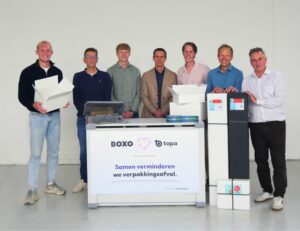
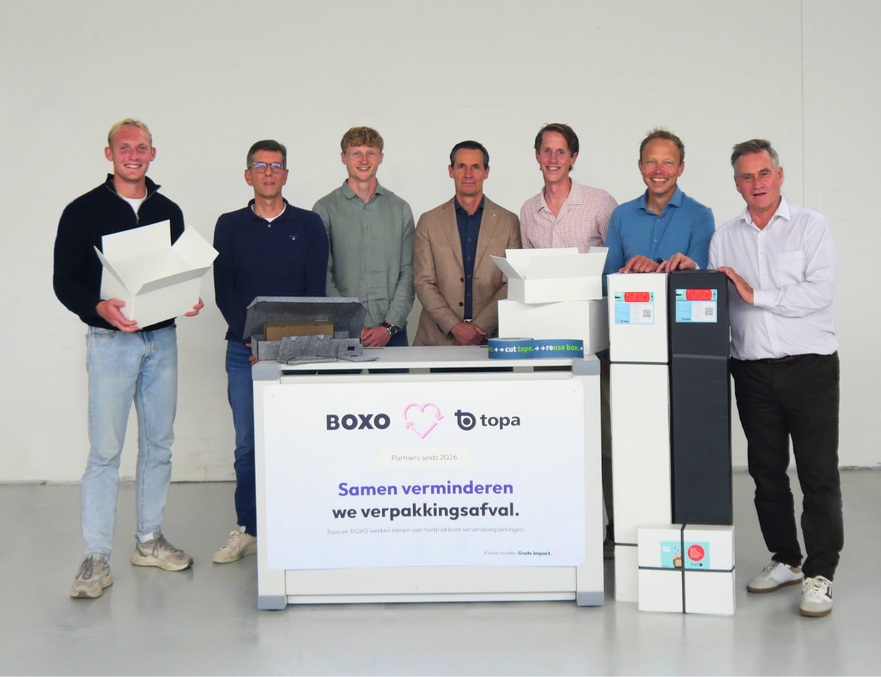
Topa and Boxo are pursuing a different lever: keeping the same shipping package in service for multiple journeys. Their partnership combines Topa’s packaging expertise with Boxo’s infrastructure for returning and processing reusable e-commerce packaging.
Digital coordination behind physical reuse
The operating layer is Boxo Return. It is designed to connect software integrations with the physical activities needed to keep packaging circulating. These activities include managing deposits and data, collecting packages through return points and cleaning them after they come back.
This is significant for industrial businesses because reuse creates a reverse flow that single-use packaging does not require. Every additional cycle depends on the package being collected, identified within the process, inspected or cleaned as needed, and made available for another order. Boxo’s neutral system role is intended to let webshops access this capability without creating a proprietary network.
Topa is developing shipping formats compatible with the Boxo network. The partnership therefore links physical product design with digital coordination and service operations—an approach consistent with Industry 5.0 thinking, in which technology supports more resilient and sustainable human-centred systems.
What changes for supply-chain operators
For retailers, fulfilment providers and manufacturers, packaging becomes a managed asset rather than a one-way input. This brings new operational questions: where packages are returned, how their status is recorded, how deposits are handled and how cleaning is organised before redeployment.
The model does not replace right-sizing, material efficiency or recycling. Instead, it adds reuse when further reduction would threaten product protection. It also responds to European packaging requirements that increasingly emphasise waste prevention and circularity.
The practical lesson is that circular packaging depends on system architecture. A durable box is only the starting point; the return network and its data layer determine whether repeated use can work reliably at scale.