Right-size automation links packaging efficiency with resilient fulfilment
For industrial fulfilment operations, packaging is increasingly becoming part of the automation strategy rather than a final manual step. The shift is being driven by the structure of ecommerce: warehouses must process large numbers of individual orders, with variable product combinations, under tight time and labour constraints.
The scale is substantial. The ONS Retail Sales Index recorded online retail at 27.4% of UK retail spending in 2025 and 29.9% in the fourth quarter. Ofcom’s 2025 Annual Parcel Report counted 4.2 billion parcels sent and received by UK consumers in 2024. These volumes make the inefficiencies of oversized cartons more visible in operating costs, material consumption and distribution capacity.
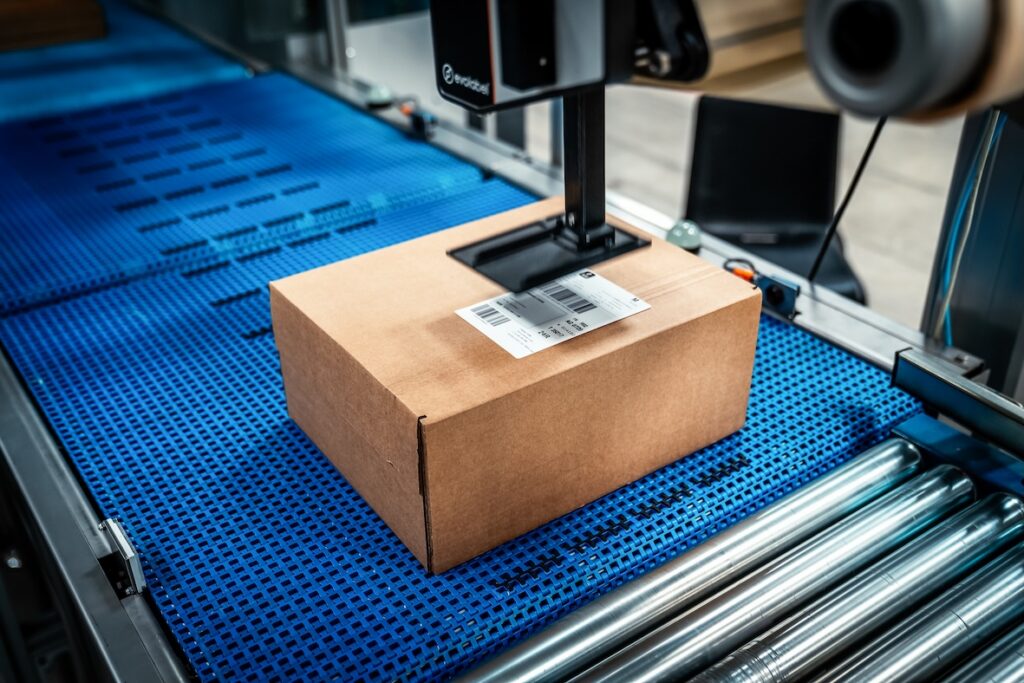
Packaging as a digitalised process
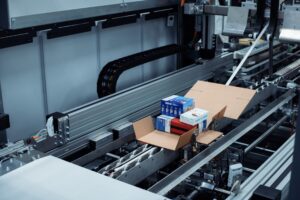
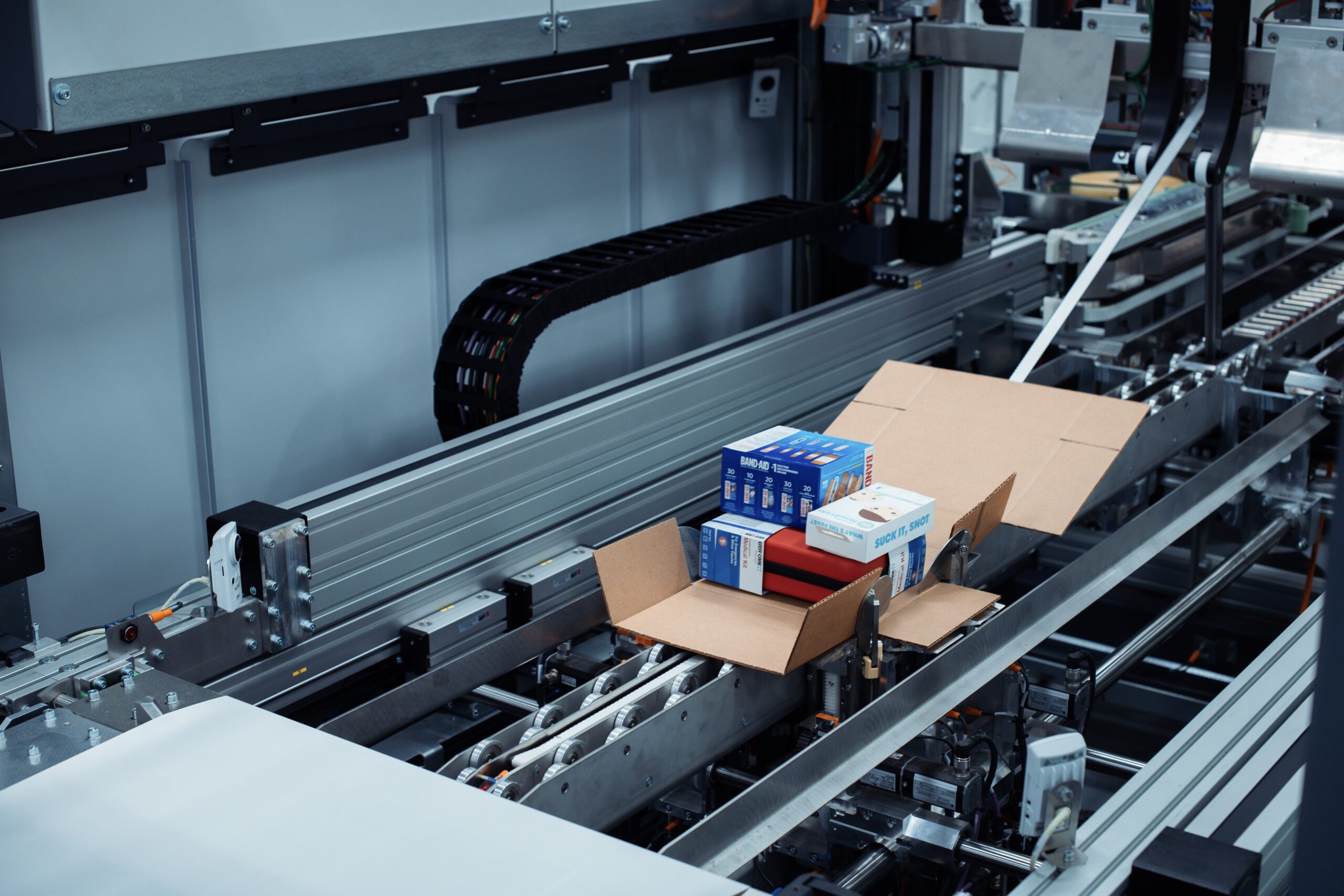
Right-size systems measure an order and produce a corrugated package specifically for it. This reduces the dependence on fixed carton inventories and limits the void that must be filled or transported. The approach also creates a more repeatable process, important for facilities dealing with fluctuating demand and peaks.
Packsize provides semi-automated and fully automated equipment, with systems capable of producing formed and sealed packages at speeds of up to 1,300 per hour. The supplier reports average corrugated-material savings of approximately 30%, package-volume reductions of up to 40% and around 80% less void fill. A fully automated installation can deliver output equivalent to about 20 manual packing stations, subject to the operation’s product and order profile.
Resilience through integration
The technology can be configured for box-first or box-last fulfilment. In one model, an order-specific tray is produced before picking, filled during the operation and lidded afterwards. This removes plastic pick totes and allows the same packing architecture to support different workflows, including a switch between formats during production.
Integration with the warehouse management system is central to making the process useful beyond the packaging machine itself. Packsize supports brownfield installations in existing facilities as well as greenfield projects where packaging can be considered alongside the complete material flow.
Smaller cartons can also improve vehicle loading density. That creates the potential to reduce journeys, fuel consumption and emissions, while helping operators manage transport costs. In this sense, right-size automation connects resource efficiency with operational resilience: fewer manual interventions, more predictable throughput and a packaging process that can scale with order variability.