Software-Defined Forklifts Could Extend the Life of Industrial Fleets
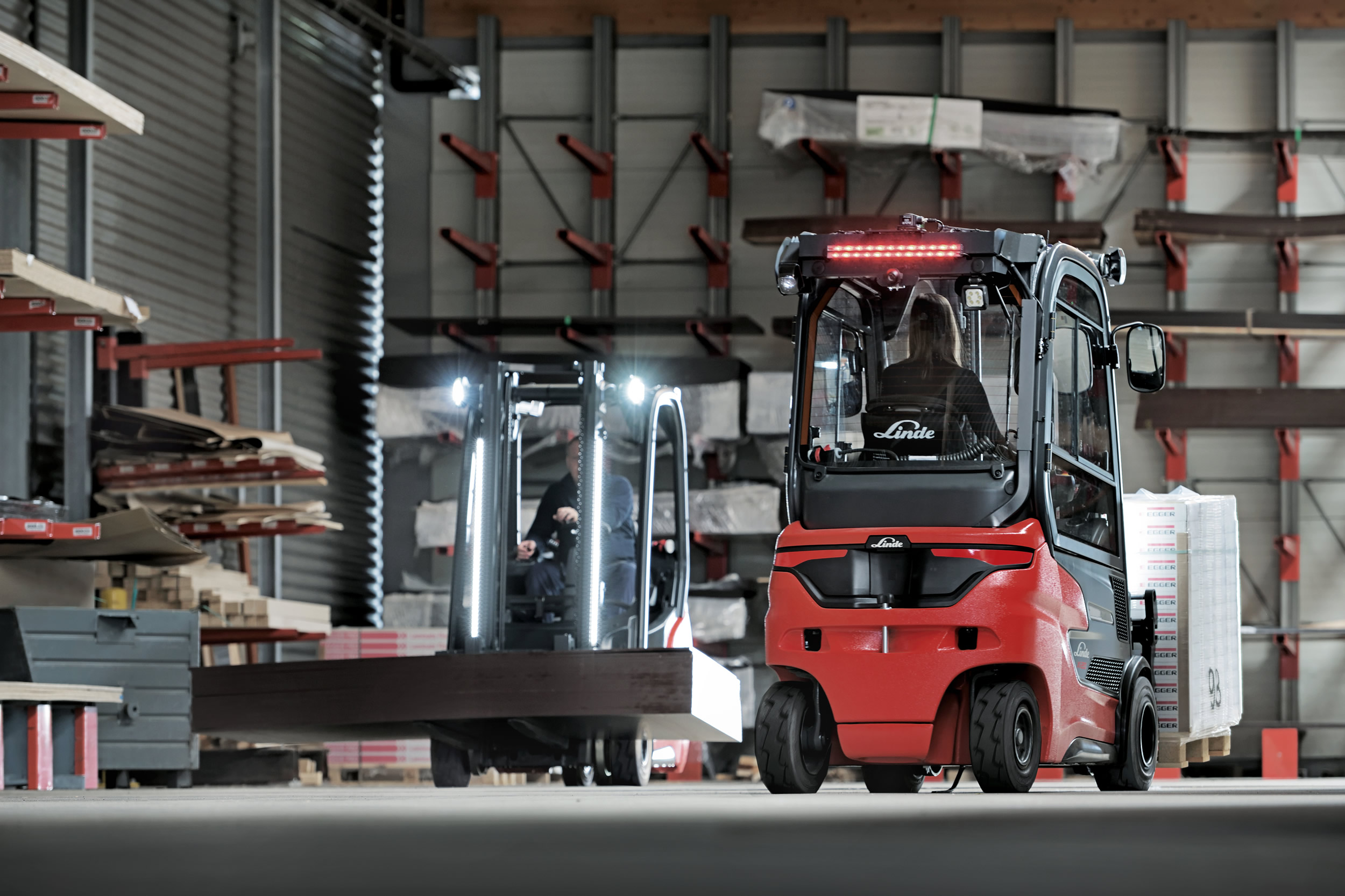
Industrial companies are under pressure to make material-handling assets last longer while warehouse layouts, automation levels and safety requirements continue to evolve. Linde Material Handling is addressing that challenge by moving more forklift customisation into software.
The company’s Customized Options programme covers both physical and digital adaptations. More than one-third of Linde trucks are delivered with at least one option. The latest electrical and electronic vehicle architecture connects each truck to a digital twin from manufacture, allowing selected functions to be added remotely and operating parameters to be changed later.
Adaptability as an industrial asset
This model changes the economics of customisation. A vehicle no longer has to be treated as technically fixed when it leaves the factory. If a warehouse changes its material-flow pattern, some requirements can potentially be addressed through a software update rather than workshop work, a replacement truck or a new specialist attachment.
Current examples show how vehicle conditions can be linked to operational responses. Radio volume can fall automatically during reversing. Speed can be reduced to 2 km/h when a load passes a defined weight or the forks rise beyond a specified height. A rotating beacon can provide a visual indication that the operator’s seatbelt is fastened.
Stefan Prokosch, Senior Vice President Customized Solutions at Linde MH, argues that companies cannot comprehensively forecast future internal material-flow requirements or the technical options that will become available. A software-capable truck offers a way to manage that uncertainty rather than locking every decision into the original purchase specification.
Digitalisation does not eliminate physical engineering
Hardware remains essential where the application demands it. Linde cites stainless-steel pallet trucks for food production, controls adapted for operators with physical limitations, special forks for flat furniture pallets and heat-resistant wooden joysticks used in foundries. A reach truck fitted with a specialised “Pinocchio nose” attachment has been used to handle multi-tonne paper rolls while reducing damage risk.
A global interdisciplinary team develops and implements the options, supported by a graphical editor intended to accelerate digital-function creation and parameter-file transfer. For Industry 5.0 strategies, the practical implication is clear: adaptability can become part of asset resilience. Updating existing equipment may help companies align technology with changing human, process and automation needs while delaying unnecessary replacement.