Why Suardiaz’s New Dual-Fuel PCTC Matters to Industrial Supply Chains
Industrial supply chains are being asked to deliver greater reliability while reducing their environmental impact. Suardiaz Group’s latest fleet addition addresses both pressures through a larger vehicle carrier designed for flexible cargo operations and a dual-fuel propulsion system.
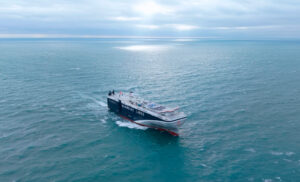
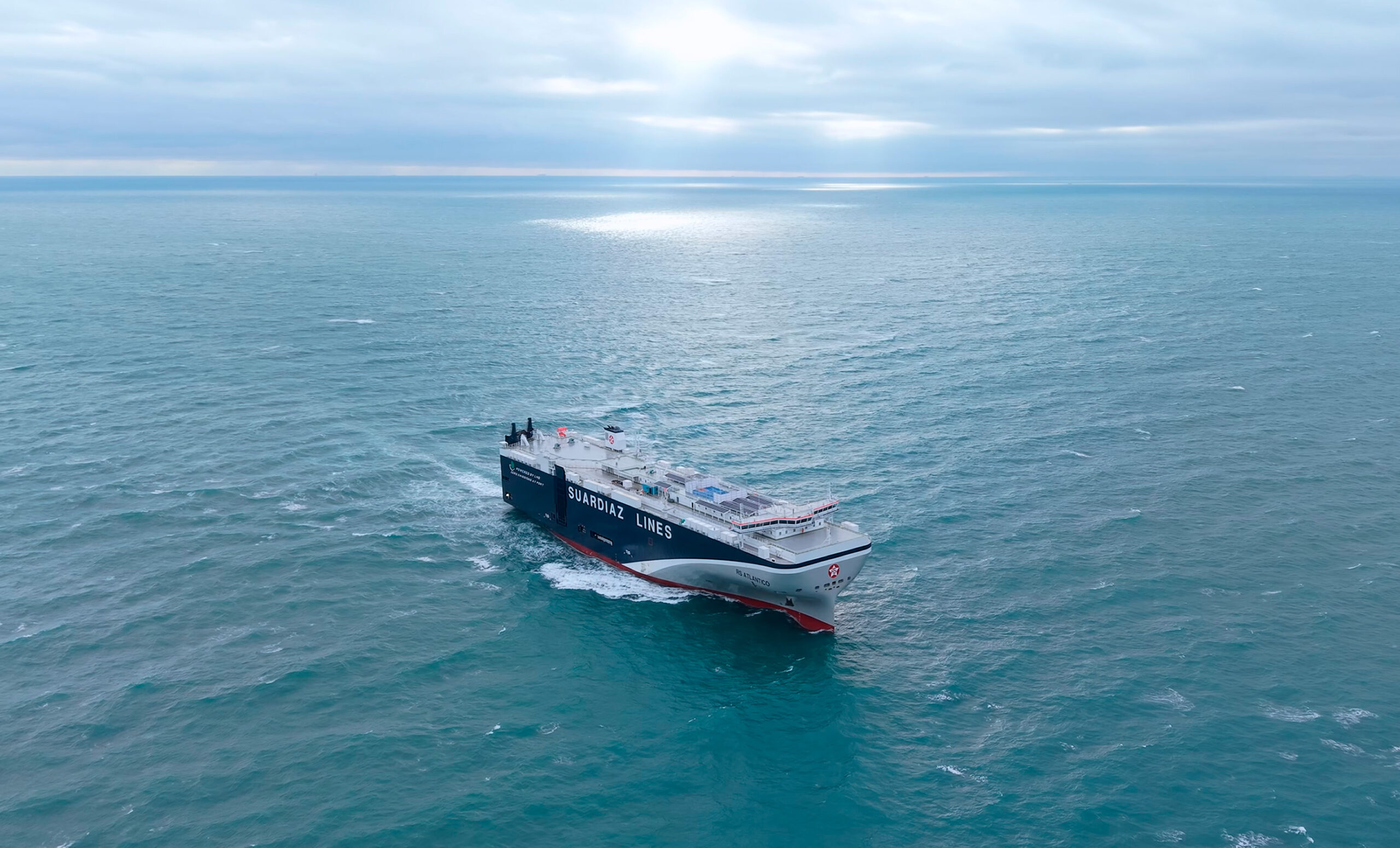
The RS Atlantico has departed China as the first vessel in a new generation of PCTCs joining Suardiaz Shipping Lines. It can carry approximately 5,500 cars, as well as machinery and High & Heavy cargo. At about 190 metres long and 55,000 GT, it is the largest ship in the group’s history.
Capacity is only one part of the industrial equation
For automotive manufacturers, vessel space is closely linked to production planning, export schedules and inventory flows. More capacity on established routes can reduce dependence on limited sailing opportunities, although the overall result still depends on port performance and inland connections. Suardiaz is developing the ship within a service model that also includes road, rail, forwarding and industrial logistics.
This integrated approach is relevant to Industry 5.0 because resilience is not created by a single automated asset. It comes from coordinating physical infrastructure, transport modes and specialist operating capabilities around customer requirements. A PCTC able to handle both vehicles and heavy rolling cargo can also support more varied industrial flows than a vessel focused solely on standard passenger cars.
LNG capability supports a transitional sustainability strategy
RS Atlantico’s engines can operate on liquefied natural gas. Suardiaz describes LNG as a transitional technology aligned with maritime decarbonisation and changing environmental regulation. The group says the vessel makes it the first Spanish shipowner with an LNG-powered car carrier.
The ship is part of a programme in which Suardiaz has invested more than €360 million over six years. Spending covers fleet renewal, international expansion, logistics infrastructure and specialist industrial and energy capabilities. A second vessel is due in mid-2027, following RS Atlantico’s expected arrival in the final quarter of 2026.
The investment signals that resilience and sustainability are being pursued together: through additional physical capacity, broader multimodal control and propulsion technology that can support the sector’s transition. More information about the group is available on the Suardiaz website.