The Industry 5.0 port will be electric, connected and supervised
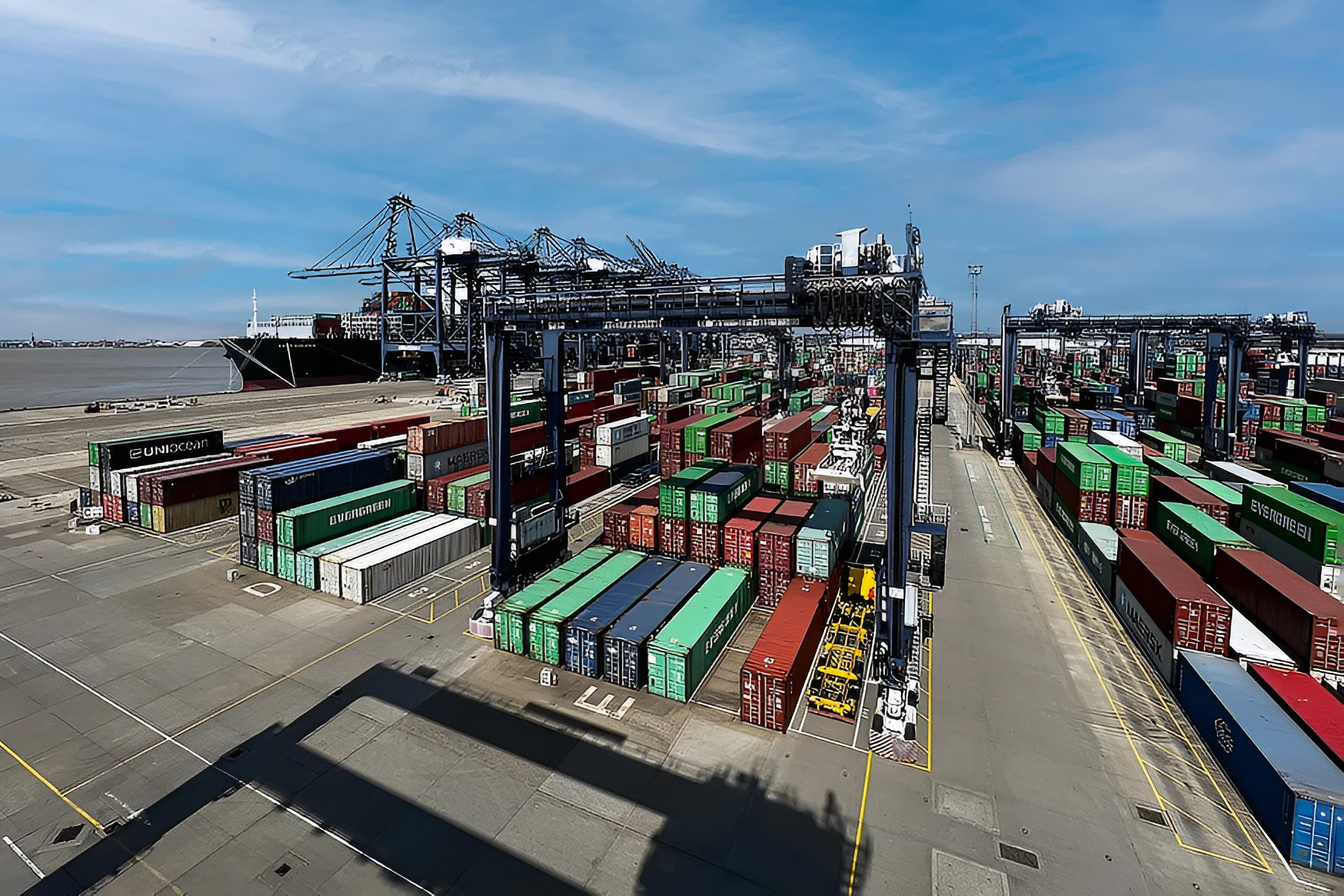
The next generation of container terminals is not being defined by automation alone. It is emerging from the interaction of low-emission equipment, connected control systems, predictive maintenance and human oversight. Vahle’s port strategy reflects that Industry 5.0 logic: technology should improve industrial performance while making work safer and more sustainable.
A staged route to a smarter terminal
Replacing diesel-powered equipment with electric machinery is a logical starting point, but it is only the first stage. Terminals can subsequently introduce positioning technology, communications infrastructure and remote operation as their investment cases mature. This sequence allows operators to capture benefits progressively and avoids treating full automation as an all-or-nothing decision.
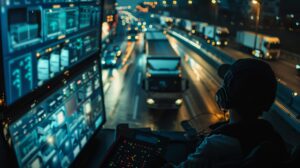
The human role changes rather than disappears. Crane operators working from control rooms can be separated from hazardous equipment environments, while the system remains subject to supervision and manual intervention. That combination is relevant to terminals facing both safety requirements and difficulty attracting skilled personnel.
Resilience depends on energy and data
Greenfield developments have an opportunity to design equipment and energy systems together. Electrified rubber-tyred gantry cranes, batteries and intelligent energy management can reduce infrastructure demands and give operators greater flexibility. Electrification also reduces exposure to diesel supply risks. In some markets, storage and renewable generation may support continuity when the grid is disrupted.
Digitalisation extends the same principle into maintenance. Vahle is using AI to interpret messages produced by programmable logic controllers. Instead of relying exclusively on routine inspections or reacting after failure, maintenance teams can receive an indication that a crane will require attention, prepare the work and combine activities. The likely result is less unplanned downtime and a better use of technical staff.
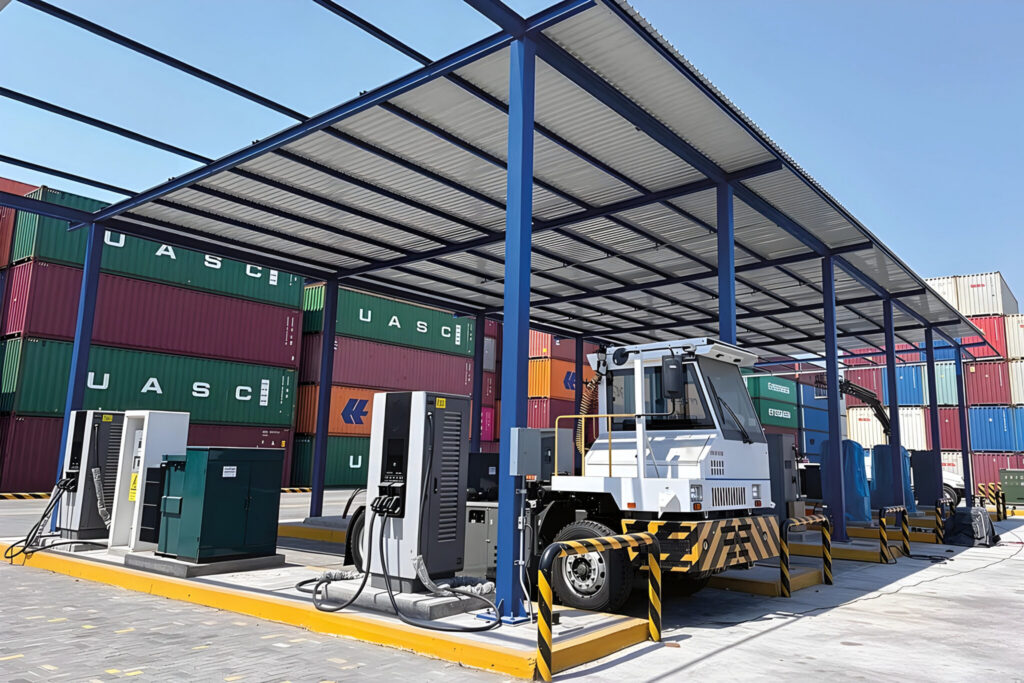
Safety is built into the transition through charging systems designed to prevent accidental contact and automated steering that helps keep equipment aligned. These functions demonstrate why the move from diesel to digital is broader than changing the power source: it is a redesign of how assets, people, energy and information interact.
Collaboration across equipment manufacturers, technology suppliers and terminal operators will determine whether these systems deliver practical value. The successful port of the future will therefore be green and automated, but still governed by informed human decisions.