Port hydrogen trial links clean energy infrastructure with heavy automation
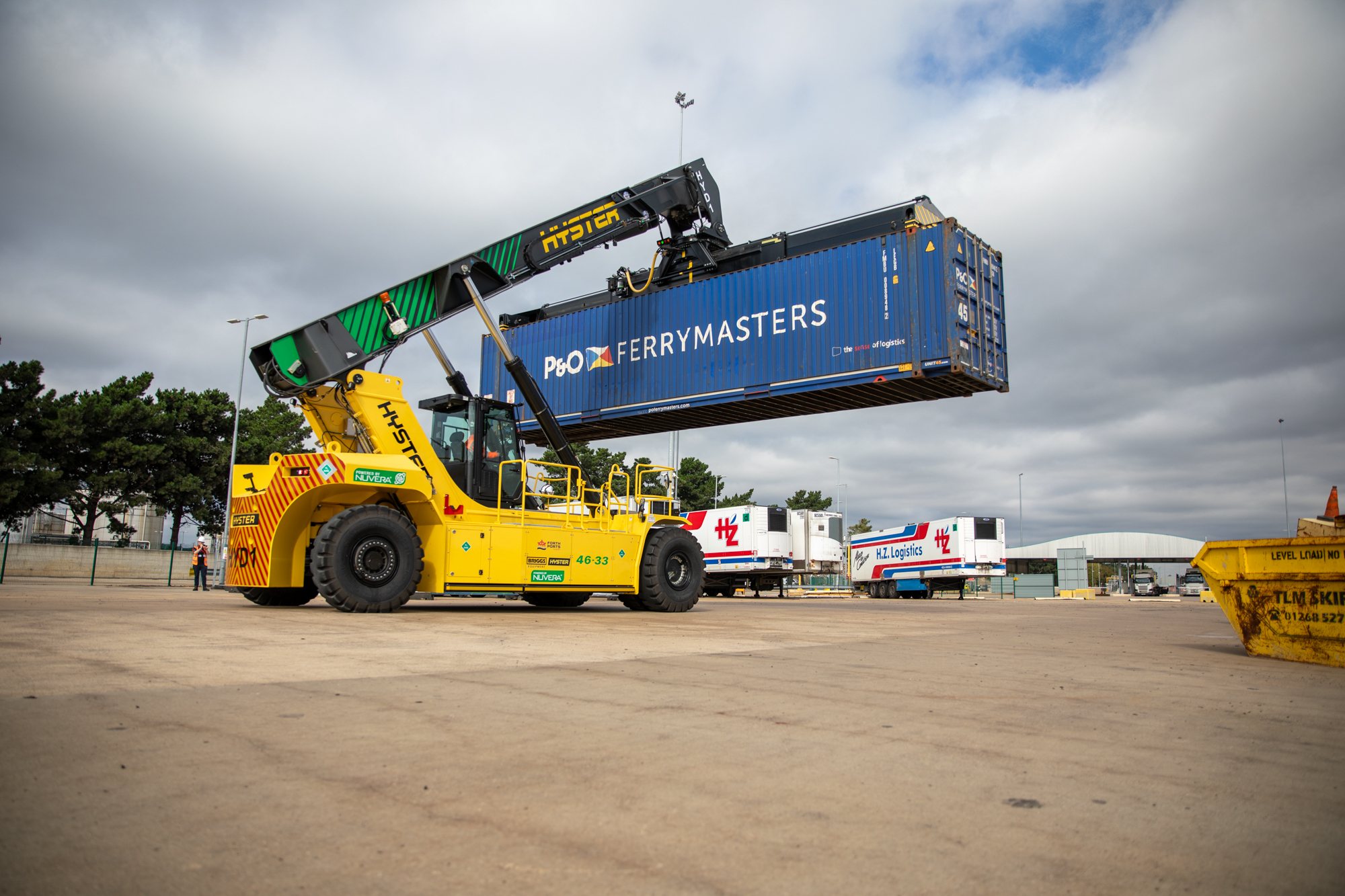
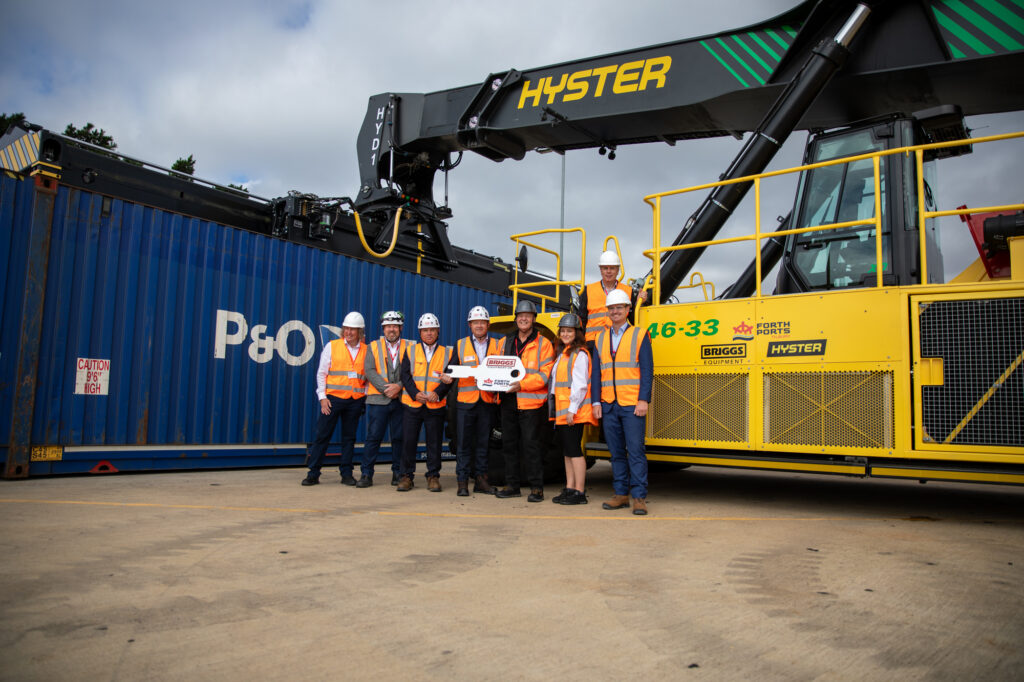
The UK’s first hydrogen fuel cell ReachStacker has entered service at the Port of Tilbury, bringing a new power architecture into one of the most demanding areas of industrial logistics. The pre-production machine is being tested in live container operations rather than in a controlled demonstration environment.
The project is notable because it connects the vehicle with its energy system. Green hydrogen is produced at the port using an electrolyser supplied by GeoPura, which also supports on-site supply and refuelling infrastructure. For industrial operators, this integrated model matters: the performance of alternative-fuel equipment depends not only on the vehicle, but also on whether energy can be generated and delivered predictably.
Fuel-cell power with familiar control systems
Hyster supplied the ReachStacker in partnership with Briggs Equipment UK. The machine uses a 60kW Nuvera fuel cell engine and a 130kWh lithium-ion battery. Its 32kg hydrogen storage capacity is intended to cover a 12-hour shift, while refuelling takes less than 30 minutes.
Against a comparable diesel machine, the port expects annual carbon dioxide reductions of more than 107,000kg. The system is also designed around operational continuity: Hyster says its fuel-cell package was refined using lessons from a ReachStacker pilot in Valencia and sized for this application. The equipment retains Hyster’s standard software architecture for electric products, reducing the distance between a new energy source and established machine-control practices.
Resilience will be measured alongside emissions
The trial will assess more than tailpipe performance. Container terminals need equipment that can maintain productivity through demanding shifts, and the partners are evaluating whether hydrogen can provide the necessary availability and toughness. Briggs will manage frontline service and maintenance, while Hyster supports the fuel cell and high-voltage systems.
The deployment follows two years of collaboration between Hyster, Briggs and the port. It forms part of the sustainability programme at Port of Tilbury, which belongs to Forth Ports. The group has set a 2042 net-zero greenhouse gas target.
For Industry 5.0 discussions, the project illustrates a practical principle: decarbonisation is not simply a matter of replacing a diesel engine. It requires energy infrastructure, maintainability, software compatibility and human service capability to work as one operational system.